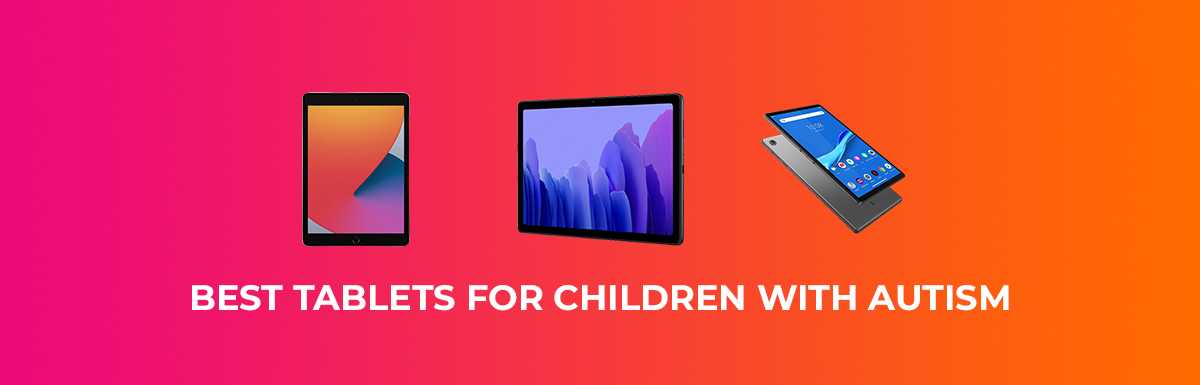
The tactile hum of a screen beneath eager fingertips. The luminous glow of a display casting curious shadows on a child’s face. For many autistic children, the allure of a tablet isn’t merely about entertainment—it’s a portal to understanding, a sanctuary of predictability, and a canvas for expression. By 2026, the intersection of technology and neurodiversity will have evolved into something far more refined, purposeful, and transformative. The best tablets for autistic children in 2026 won’t just be devices; they’ll be companions, tools of empowerment, and bridges to a world that often feels overwhelming. This is a guide to the most thoughtful, innovative, and inclusive tablets designed to meet the unique needs of neurodivergent learners, thinkers, and dreamers.
The Sensory Symphony: Why Tablets Resonate with Autistic Children
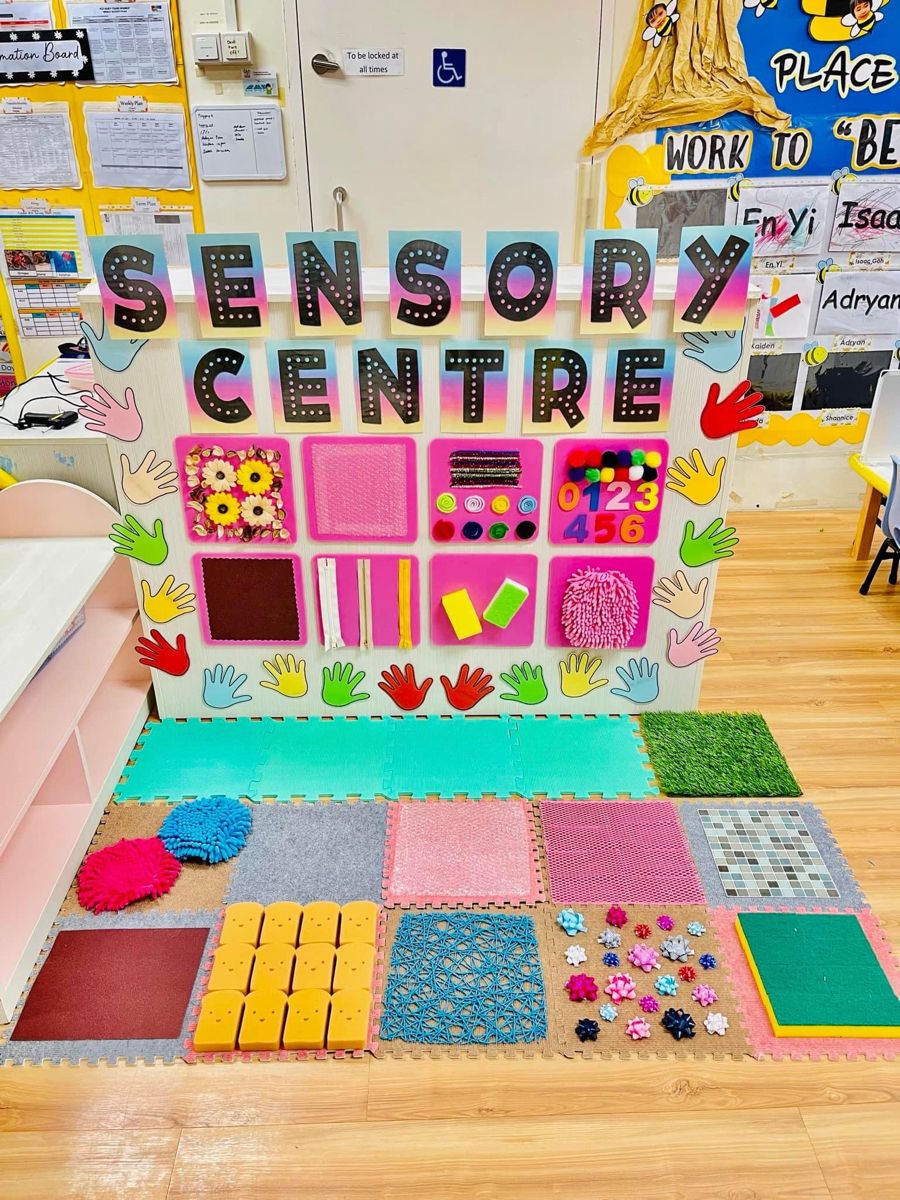
Autistic children often experience the world through heightened sensory input. The cacophony of a classroom, the flicker of fluorescent lights, the unpredictability of social cues—these can be sources of profound discomfort. Yet, a tablet offers something rare: control. The ability to adjust brightness, mute notifications, and curate content creates a cocoon of sensory harmony. In 2026, tablets will integrate adaptive sensory interfaces, allowing children to modulate haptic feedback, screen texture, and even ambient soundscapes. Imagine a device that subtly vibrates in response to touch, mimicking the rhythm of a heartbeat, grounding the user in the present moment. This isn’t just about reducing overstimulation; it’s about transforming the device into an extension of the child’s nervous system.
The fascination with tablets also stems from their predictability. Unlike the fluid, often ambiguous nature of human interaction, a tablet’s responses are consistent. A tap on the screen yields an immediate, expected result. This reliability fosters a sense of security, a rare constant in a world that can feel chaotic. Manufacturers in 2026 are leveraging this principle by embedding customizable “safe modes,” where children can design their own digital environments—complete with favorite colors, sounds, and interactive elements that align with their sensory preferences.
Cognitive Bridges: Tablets as Tools for Learning and Communication
Language development and social cognition are areas where many autistic children face challenges. Yet, tablets have emerged as unexpected allies in bridging these gaps. In 2026, advanced AI-driven applications will personalize learning experiences to an unprecedented degree. Picture a tablet that not only teaches vocabulary but also adapts its tone, pace, and visual aids based on the child’s cognitive load. If frustration mounts, the device might simplify its interface or introduce a calming animation. If engagement wanes, it could gamify the lesson with interactive challenges tailored to the child’s interests—whether that’s dinosaurs, space, or abstract patterns.
Communication tools are also evolving. Augmentative and Alternative Communication (AAC) apps are becoming more intuitive, with predictive text and symbol-based interfaces that grow alongside the child. Some tablets now feature eye-tracking technology, allowing non-verbal children to construct sentences by gazing at symbols on the screen. Others incorporate biometric feedback, such as heart rate monitoring, to detect stress and suggest breaks or alternative activities. The result? A device that doesn’t just facilitate communication but actively participates in the child’s emotional regulation.
Design for Neurodiversity: Form Follows Function
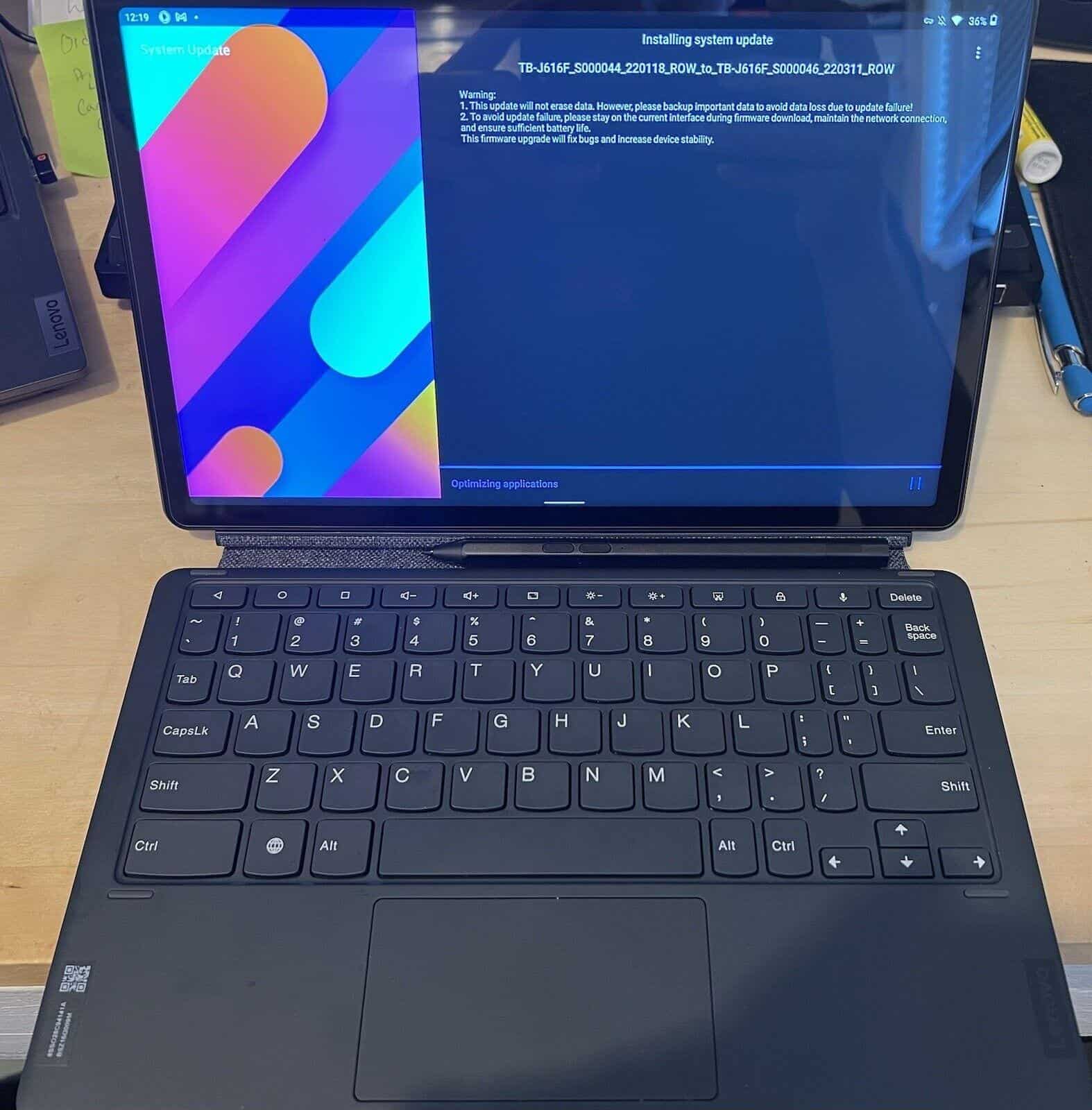
The physical design of tablets in 2026 reflects a deeper understanding of neurodivergent needs. Durability is paramount—rounded edges prevent accidental drops, while shatterproof screens withstand the force of an enthusiastic tap. Weight and ergonomics are also considered; lighter devices with grippable surfaces ensure comfort during prolonged use. Some models feature modular attachments, such as detachable keyboards or styluses with pressure-sensitive tips, catering to children who prefer tactile input over touch alone.
Color psychology plays a role, too. Tablets now offer dynamic color themes that can shift from calming blues and greens to vibrant hues that stimulate focus. For children with color sensitivities, custom palettes can be created to minimize visual stress. Even the materials used are thoughtfully selected—soft-touch coatings reduce glare, while matte finishes prevent distracting reflections.

Parental and Educator Empowerment: Tools for Support and Advocacy
Tablets in 2026 are not just for children; they’re for the adults who guide them. Parental control panels have evolved into comprehensive dashboards that track usage patterns, highlight developmental milestones, and suggest evidence-based activities. Educators can access aggregated, anonymized data to identify trends in a child’s learning journey, allowing for targeted interventions. Some systems even integrate with wearable devices, providing a holistic view of the child’s well-being—from screen time to sleep patterns.
Safety features are non-negotiable. Advanced content filters use AI to detect and block inappropriate material, while geofencing ensures the device remains within designated safe zones. For children prone to wandering, GPS tracking offers peace of mind without compromising autonomy. Additionally, tablets now include “quiet hours” modes that automatically disable non-essential functions during designated rest periods, promoting healthy sleep hygiene.
The Future of Play: Gamification and Social Connection
Play is a universal language, and tablets are redefining how autistic children engage with it. In 2026, gamification is no longer about empty rewards; it’s about creating meaningful, adaptive experiences. Collaborative games encourage turn-taking and shared focus, while solo adventures allow children to explore at their own pace. Some apps now incorporate virtual reality (VR) elements, transporting children to immersive environments where they can practice social scenarios in a low-pressure setting—whether that’s ordering food in a café or navigating a bustling marketplace.
Social connection is another frontier. Tablets are bridging gaps between neurodivergent children and their peers through shared digital spaces. Multiplayer apps facilitate cooperative play, while video calling features are enhanced with real-time emotion recognition, helping children interpret facial expressions in a structured, predictable way. For children who struggle with eye contact, some apps now offer avatar-based interactions, allowing them to practice social cues without the pressure of direct engagement.
Ethical Considerations: Privacy, Autonomy, and Inclusivity
With great technology comes great responsibility. In 2026, ethical design is at the forefront of tablet development. Data privacy is sacrosanct—no child’s interactions are mined for advertising, and all information is encrypted and anonymized. Parents retain full control over data sharing, with granular permissions for each app and feature. Autonomy is also prioritized; children are given clear, age-appropriate explanations about how their data is used, fostering a sense of trust and transparency.
Inclusivity extends beyond functionality. Tablets are being designed with diverse needs in mind—whether that’s accommodating motor differences, visual impairments, or auditory sensitivities. Some models now feature haptic feedback that translates sound into vibrations, while others include text-to-speech options with customizable voices. The goal? To ensure that every child, regardless of their abilities, can access the same opportunities for growth and exploration.
The journey toward the ideal tablet for autistic children is not just about technological advancement; it’s about empathy, innovation, and a commitment to understanding. In 2026, these devices will stand as testaments to what happens when technology is wielded with intention—when it doesn’t just serve the user but becomes an integral part of their world. For autistic children, a tablet is more than a screen; it’s a lifeline, a teacher, and a friend. And as we move forward, the best tablets will continue to evolve, not just to meet the needs of today, but to anticipate the possibilities of tomorrow.