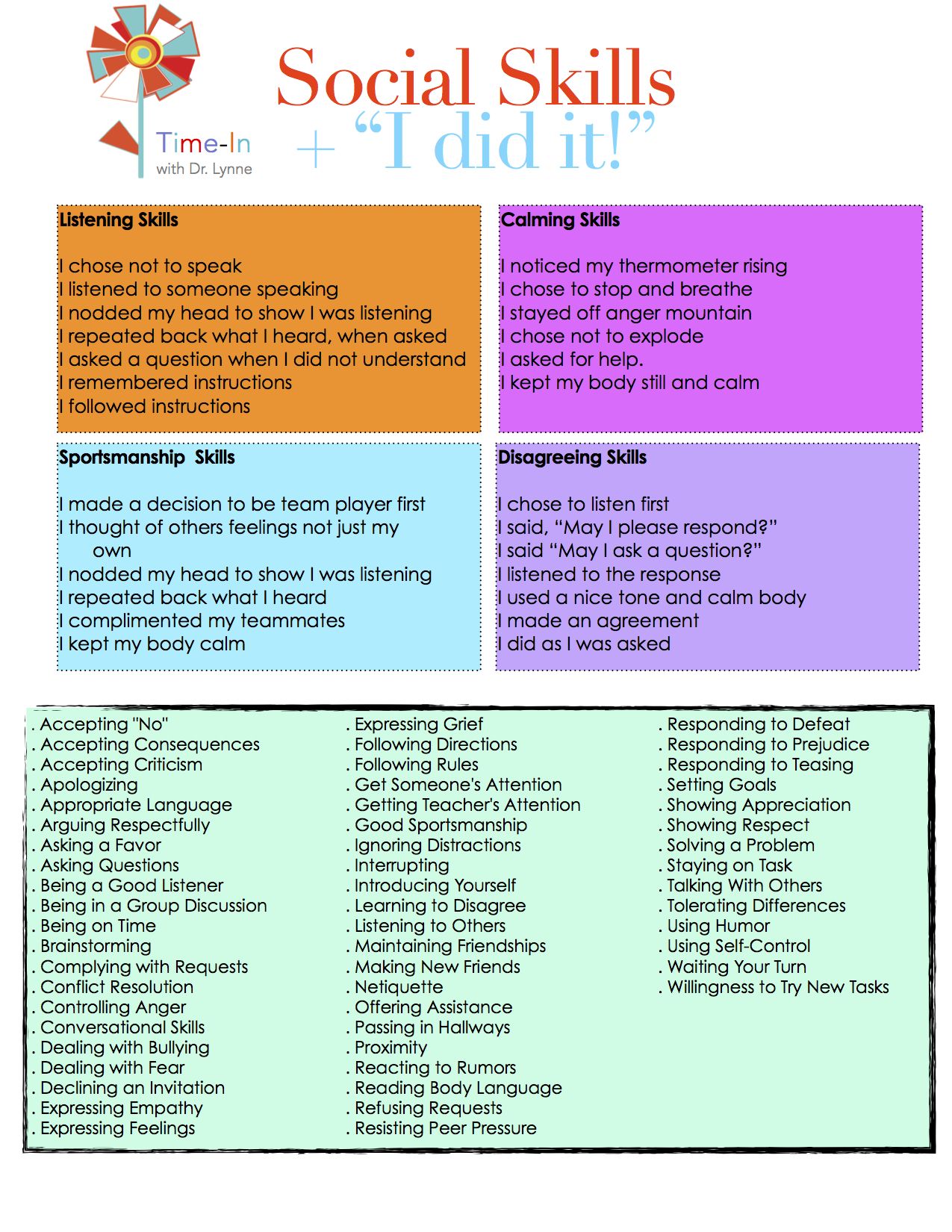
In a world where digital interfaces often replace face-to-face exchanges, the challenge of fostering meaningful social interaction has never been more pronounced—especially for individuals navigating the complexities of autism. Social skills apps have emerged not merely as tools, but as bridges, designed to cultivate confidence and competence in interpersonal communication. These applications transform abstract social rules into tangible, interactive experiences, offering a safe space to practice and refine the art of connection. What begins as a screen-based exercise soon evolves into a rehearsal for real-world encounters, where repetition breeds familiarity and familiarity breeds ease. The fascination with these apps lies not only in their utility but in their ability to demystify the unspoken codes of human interaction, making the intangible tangible for those who perceive it as elusive.
At the heart of this digital evolution is a recognition that social competence is not an innate gift but a skill that can be nurtured through deliberate practice. For many individuals on the autism spectrum, the nuances of conversation—turn-taking, tone modulation, facial expression interpretation—can feel like an intricate puzzle with missing pieces. Social skills apps address this by breaking down interactions into manageable components, allowing users to focus on one element at a time. Whether through role-playing scenarios, emotion-recognition games, or guided conversation prompts, these platforms provide a scaffolded approach to learning. The result is not just improved social performance, but a deeper understanding of the emotional landscapes that underpin human connection.
The Digital Playground: How Apps Transform Social Learning
Imagine stepping into a virtual café where the only patrons are avatars, and the menu is a series of conversation starters. This is the premise behind many social skills apps, which leverage gamification to make learning engaging and low-pressure. By framing social practice as a game, these applications reduce the anxiety that often accompanies real-life interactions. Users can experiment with responses, observe consequences in real time, and replay scenarios until mastery is achieved. The interactive nature of these apps also allows for immediate feedback, a critical component in skill acquisition. When a user selects a response that misaligns with the context, the app can gently correct the course, reinforcing positive behaviors without judgment.
Moreover, the visual and auditory cues embedded in these apps serve as external scaffolds for internalizing social norms. For instance, an app might highlight a character’s facial expression in response to a user’s input, training the eye to recognize subtle emotional signals. Similarly, tone-of-voice exercises can help users distinguish between sarcasm and sincerity, a distinction that often eludes those who rely on literal interpretation. These features are particularly valuable in a world where digital communication dominates, yet the subtleties of in-person interaction remain essential. By practicing in a controlled environment, users can build a repertoire of responses that feel instinctive when transferred to real-world settings.

Beyond the Screen: Transferring Skills to Real-World Contexts
The true measure of any social skills app’s success lies not in its ability to entertain, but in its capacity to translate virtual proficiency into real-world competence. This transition is where the magic—and the challenge—lies. While apps provide a safe space to practice, they cannot replicate the unpredictability of human behavior. A user might excel in a simulated conversation with a cartoon character, only to freeze when faced with a peer’s unexpected question. To bridge this gap, many apps incorporate real-life integration strategies, such as encouraging users to apply learned skills in structured social settings, like group activities or community outings. The goal is to create a continuum between the digital and physical worlds, ensuring that progress in one realm reinforces the other.
Another critical aspect of this transfer is the role of caregivers and educators in reinforcing app-based learning. When a child practices turn-taking in an app, a parent or teacher can model the same behavior during a family dinner or classroom discussion. This reinforcement helps solidify the connection between the virtual exercise and its real-world application. Additionally, some apps include progress-tracking features that allow caregivers to monitor improvements and identify areas needing further attention. By treating the app as one tool in a broader toolkit, users can develop a more holistic approach to social learning, where digital practice is just one component of a larger strategy.
The Science of Connection: Why These Apps Resonate with Users
The appeal of social skills apps extends beyond their practical benefits; they tap into a fundamental human desire to belong. For individuals who may feel isolated due to communication challenges, these apps offer a sense of agency and control over their social experiences. The ability to rehearse interactions in a low-stakes environment can reduce the fear of making mistakes, fostering a growth mindset where errors are seen as opportunities for learning rather than failures. This psychological shift is transformative, as it empowers users to approach social situations with curiosity rather than apprehension.
Furthermore, the design of these apps often reflects an understanding of neurodiversity, recognizing that different individuals may require different approaches to learning. Some apps cater to visual learners with vibrant graphics and animations, while others focus on auditory learners with voice-recognition features and audio cues. This customization ensures that the tool aligns with the user’s strengths, making the learning process more intuitive and enjoyable. The result is a personalized experience that respects individual differences while guiding users toward greater social fluency.
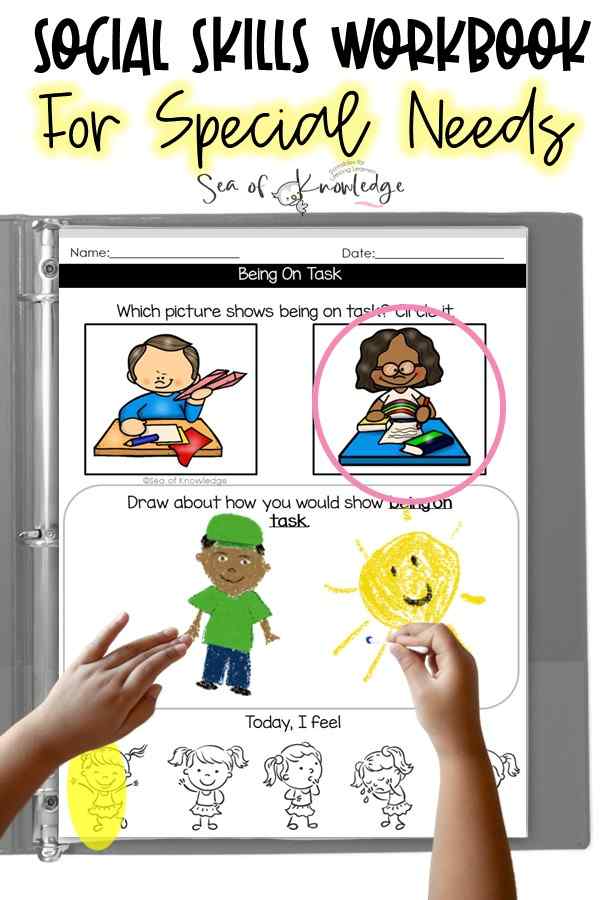
Navigating the Challenges: Limitations and Ethical Considerations
Despite their many advantages, social skills apps are not a panacea. One of the most significant limitations is their inability to capture the full complexity of human emotion and context. A scripted conversation in an app cannot account for the spontaneity of real-life interactions, where tone, body language, and cultural nuances play pivotal roles. Additionally, over-reliance on apps may lead to a disconnect between digital practice and authentic social experiences, particularly if users struggle to generalize skills outside of the app’s controlled environment. To mitigate this, it is essential to view these tools as supplements rather than replacements for real-world practice.
Ethical considerations also come into play, particularly regarding data privacy and the potential for apps to reinforce stereotypes about autism. Some apps may inadvertently promote a narrow view of social success, emphasizing conformity over individuality. It is crucial for developers to design with inclusivity in mind, ensuring that the skills taught are flexible enough to accommodate diverse communication styles. Caregivers and educators must also be vigilant in selecting apps that align with the user’s values and goals, rather than imposing a one-size-fits-all approach to social learning.
The Future of Social Learning: Trends and Innovations
The landscape of social skills apps is rapidly evolving, with new technologies poised to revolutionize how we approach social learning. Artificial intelligence, for example, is being integrated into some apps to create more dynamic and responsive interactions. AI-driven avatars can adapt their responses based on the user’s input, providing a more realistic simulation of human conversation. Virtual reality (VR) is another frontier, offering immersive environments where users can practice skills in lifelike scenarios, from job interviews to casual conversations with peers. These advancements hold the potential to make social learning even more engaging and effective, bridging the gap between practice and reality.
Another promising trend is the incorporation of peer-to-peer interaction within apps. Some platforms now include multiplayer modes where users can practice social skills with others in real time, fostering a sense of community and shared learning. This not only enhances the authenticity of the experience but also reduces the isolation that can accompany autism. As these technologies continue to develop, the line between digital and real-world social practice will continue to blur, offering unprecedented opportunities for growth and connection.
In the end, social skills apps represent more than just a technological solution—they embody a shift in how we perceive and support social learning. By providing a structured, interactive, and judgment-free space to practice, these tools empower individuals to navigate the complexities of human interaction with greater confidence and competence. As society continues to embrace digital innovation, the role of these apps will only grow, offering new pathways to connection and understanding. For those who have long struggled to decode the unspoken rules of social engagement, these apps are not just a stepping stone; they are a lifeline, guiding users toward a future where every interaction feels a little less daunting and a little more accessible.