Have you ever wondered what happens when the four walls of a home become a battleground for rights rather than a sanctuary of safety? For families navigating the complexities of autism, the answer isn’t just about finding a roof—it’s about securing a foundation where dignity, accessibility, and opportunity can flourish. The Fair Housing Act (FHA) stands as a silent guardian, a legal fortress designed to dismantle barriers that often go unnoticed by the mainstream. Yet, for those living with autism, these protections aren’t just theoretical—they’re lifelines. So, how exactly does the FHA shield individuals with autism from housing discrimination, and what challenges lurk beneath its well-intentioned surface?
The Fair Housing Act: A Beacon of Inclusion in a Fragmented Landscape
Enacted in 1968, the Fair Housing Act emerged from the ashes of systemic segregation, a legislative phoenix aimed at dismantling discriminatory practices that had long plagued the housing market. Its core mission? To ensure that no individual is denied housing—or subjected to unequal terms—based on race, religion, national origin, sex, disability, or familial status. For individuals with autism, this act is more than a legal document; it’s a promise of equity in a world where accessibility is often an afterthought.
Autism Spectrum Disorder (ASD) presents a unique set of challenges in the housing arena. While the FHA explicitly prohibits discrimination against individuals with disabilities, the nuances of autism—ranging from sensory sensitivities to social communication differences—can create invisible barriers that are easily overlooked. The act’s definition of “disability” is broad, encompassing both visible and invisible conditions, which means that autistic individuals are entitled to reasonable accommodations and modifications to ensure equal housing opportunities. But what does this look like in practice?

Reasonable Accommodations: Bridging the Gap Between Need and Accessibility
Imagine moving into a new apartment only to realize that the fluorescent lighting triggers debilitating migraines, or that the bustling hallway outside your door makes it impossible to focus on work. For autistic individuals, these aren’t minor inconveniences—they’re barriers to stability. The FHA mandates that landlords and housing providers must make “reasonable accommodations” to policies, practices, or services to afford individuals with disabilities an equal opportunity to use and enjoy their housing.
What constitutes a reasonable accommodation? It could be as simple as allowing a tenant to install soundproofing panels in their unit or permitting a service animal—even if the building has a “no pets” policy. It might involve adjusting a property’s rules to accommodate a tenant’s need for a quieter living environment or permitting modifications to a unit to reduce sensory overload. The key here is that the accommodation must not impose an “undue financial or administrative burden” on the housing provider. But where do we draw the line between reasonable and unreasonable?
Consider the case of a single mother with an autistic child who requests a ground-floor apartment to minimize the child’s exposure to overwhelming stairwells and loud common areas. The landlord, citing a policy against ground-floor units, denies the request. Is this denial justified, or does it violate the FHA? The answer often hinges on the specifics of the situation, the landlord’s resources, and the tenant’s needs. This is where the law’s flexibility becomes both a strength and a source of contention.
Reasonable Modifications: Tailoring Spaces to Suit Unique Needs
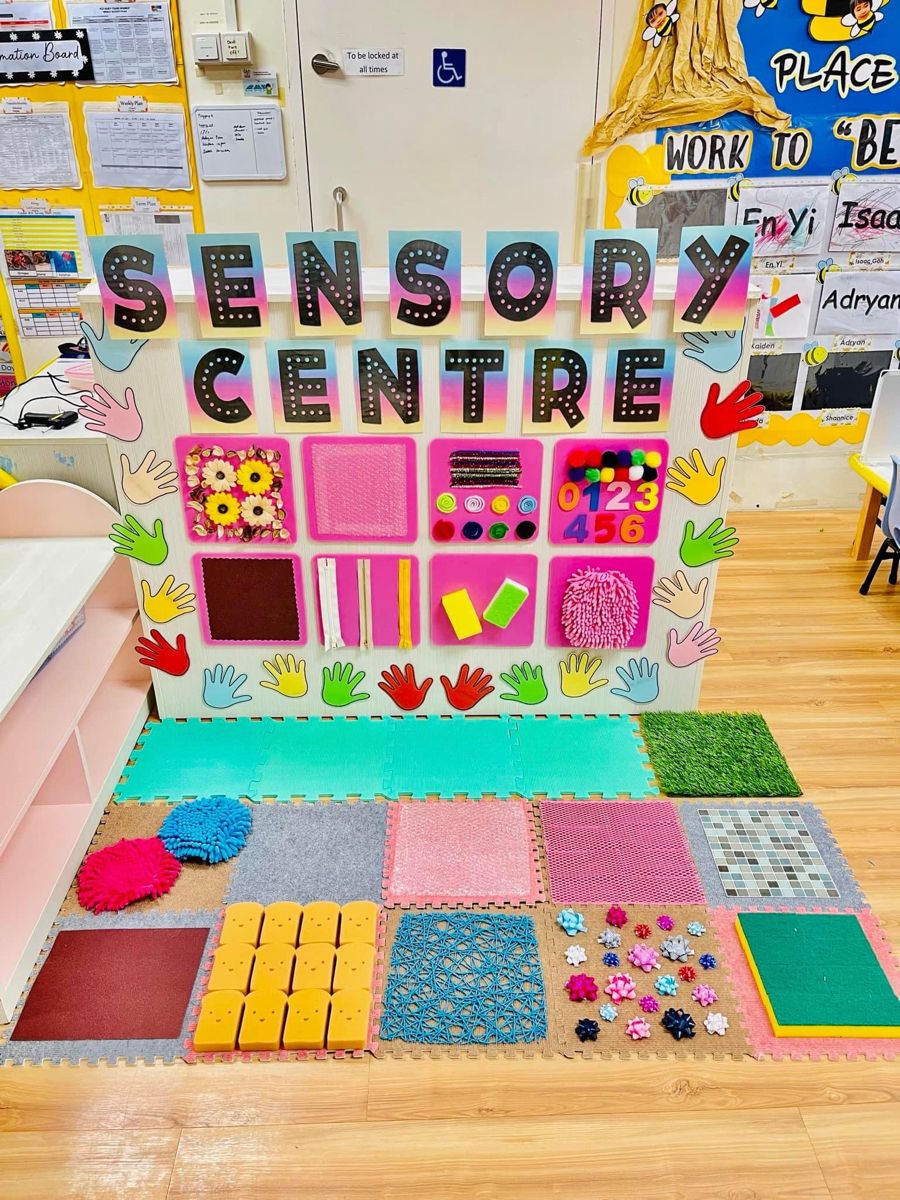
While accommodations focus on altering policies or services, modifications refer to physical changes to a dwelling or common areas to enhance accessibility. The FHA requires that housing providers allow tenants with disabilities to make reasonable modifications at their own expense, provided that the modifications don’t fundamentally alter the property or pose a safety risk. For autistic individuals, these modifications might include installing visual cues to aid navigation, adjusting lighting to reduce sensory triggers, or creating a sensory-friendly retreat within the home.
However, the process isn’t always straightforward. Landlords may resist modifications, citing concerns about property damage or liability. Tenants, on the other hand, may face financial barriers to implementing changes. The FHA attempts to strike a balance, but the reality is that navigating this process can feel like a high-stakes negotiation. What happens when a tenant’s requested modification—say, a ramp for a wheelchair—conflicts with an autistic individual’s need for a minimalist, clutter-free space? The law provides a framework, but the human element often complicates the equation.
Familial Status and the Right to a Supportive Home
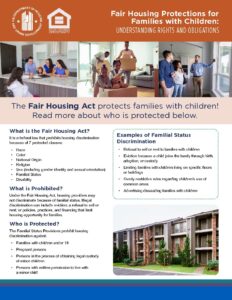
Familial status protections under the FHA are particularly relevant for families raising autistic children. These protections prohibit discrimination against families with children under the age of 18, including those with disabilities. This means that landlords cannot refuse to rent to families solely because they have an autistic child, nor can they impose different terms or conditions on such families. Yet, subtle forms of discrimination persist. Some landlords may claim that a unit isn’t suitable for a child with autism, or they might steer families toward certain neighborhoods under the guise of “safety concerns.”
The challenge lies in proving that discrimination has occurred. Unlike overt acts of bias, these forms of exclusion are often couched in vague language or subjective judgments. For families already grappling with the emotional and financial toll of autism, the added burden of fighting for their housing rights can feel insurmountable. Advocacy groups and legal aid organizations play a crucial role in leveling the playing field, but access to these resources isn’t universal.
The Intersection of Autism, Housing, and Socioeconomic Disparities
Autism doesn’t exist in a vacuum, and neither do the challenges of securing fair housing. Socioeconomic disparities disproportionately affect autistic individuals and their families, compounding the difficulties of finding affordable, accessible housing. Low-income families may struggle to afford modifications or accommodations, while those in high-cost areas face limited housing options to begin with. The result? A vicious cycle where the most vulnerable are often left without recourse.
Consider the case of a low-income autistic adult seeking independent living. Without financial support, the prospect of renting an apartment—let alone one that meets their sensory and accessibility needs—can seem like an impossible dream. Public housing programs and voucher systems offer some relief, but waitlists are long, and bureaucratic hurdles can be daunting. The FHA provides a legal safety net, but it’s not a panacea for systemic inequities.
Navigating the System: Challenges and Advocacy
For all its strengths, the Fair Housing Act is only as effective as its enforcement. Many individuals with autism—and their families—remain unaware of their rights or lack the resources to pursue legal action when those rights are violated. The process of filing a complaint with the Department of Housing and Urban Development (HUD) can be intimidating, and the outcome is never guaranteed. Meanwhile, landlords and housing providers may exploit loopholes or operate in bad faith, knowing that the average tenant lacks the time, energy, or financial means to challenge them.
Advocacy organizations, such as the Autistic Self Advocacy Network (ASAN) and the National Fair Housing Alliance (NFHA), work tirelessly to educate communities, provide legal support, and push for stronger enforcement of the FHA. Their efforts highlight the importance of grassroots activism in bridging the gap between policy and practice. Yet, the fight for fair housing rights is far from over. As autism awareness grows, so too must our commitment to translating that awareness into tangible change.
What if the walls of your home could either amplify your struggles or alleviate them? For individuals with autism, the Fair Housing Act holds the potential to tip the scales toward equity—but only if we remain vigilant, informed, and unwavering in our pursuit of justice. Housing isn’t just about shelter; it’s about dignity, autonomy, and the right to thrive in a world that too often overlooks your needs. The fight for fair housing rights is a testament to the power of legislation, but it’s also a reminder that true inclusion requires more than laws—it demands empathy, action, and an unyielding belief in the right of every individual to call a place home.