In the labyrinth of legal protections, few issues resonate as deeply as the intersection of autism and restraining orders—a space where vulnerability meets the rigid structures of the justice system. Autism Spectrum Disorder (ASD) presents a unique set of challenges, not only in daily life but also in navigating situations where protection from harm is paramount. Restraining orders, often seen as a shield for victims of abuse or harassment, must be tailored to account for the neurodivergent experience. This article explores the multifaceted relationship between autism and restraining orders, dissecting the legal, social, and practical dimensions that shape this critical area of advocacy.
The Neurodivergent Landscape: Understanding Autism in Legal Contexts
Autism is a neurodevelopmental condition characterized by differences in social communication, sensory processing, and behavioral patterns. These traits can profoundly influence how an autistic individual perceives threats, communicates distress, or engages with legal processes. For instance, an autistic person might struggle to articulate their experiences in a way that aligns with traditional legal frameworks, which often prioritize verbal testimony and emotional expressiveness. This disconnect can lead to underreporting of abuse or misinterpretation of behaviors that may seem confrontational but are, in fact, manifestations of sensory overload or communication barriers.
Moreover, autistic individuals may exhibit repetitive behaviors or fixations that could be misconstrued as aggressive or threatening. In restraining order cases, such behaviors might be weaponized against them, turning their neurodivergence into a liability rather than a consideration. Legal professionals and advocates must therefore adopt a nuanced understanding of autism, recognizing that behaviors perceived as “problematic” may stem from unmet needs or systemic failures to accommodate neurodivergent communication styles.
Restraining Orders: A Double-Edged Sword for Autistic Individuals
Restraining orders are designed to provide a legal barrier between a victim and their abuser, but their effectiveness hinges on the ability of the protected individual to navigate the system. For autistic people, the process of obtaining a restraining order can be fraught with obstacles. The requirement to file detailed affidavits, attend court hearings, and articulate fear in precise legal terms can be overwhelming. Sensory sensitivities—such as the fluorescent lighting of a courthouse or the cacophony of a busy waiting room—may exacerbate anxiety, making it difficult to participate meaningfully in their own protection.
Additionally, the adversarial nature of restraining order hearings can be retraumatizing for autistic individuals, particularly those with a history of trauma. The cross-examination process, with its rapid-fire questions and confrontational tone, may trigger meltdowns or shutdowns, further complicating their ability to present their case. Some jurisdictions have begun to implement accommodations, such as allowing written testimony or remote hearings, but these measures remain inconsistent. Without systemic adjustments, restraining orders risk becoming another layer of exclusion rather than a lifeline.
Sensory and Communication Barriers: The Invisible Hurdles
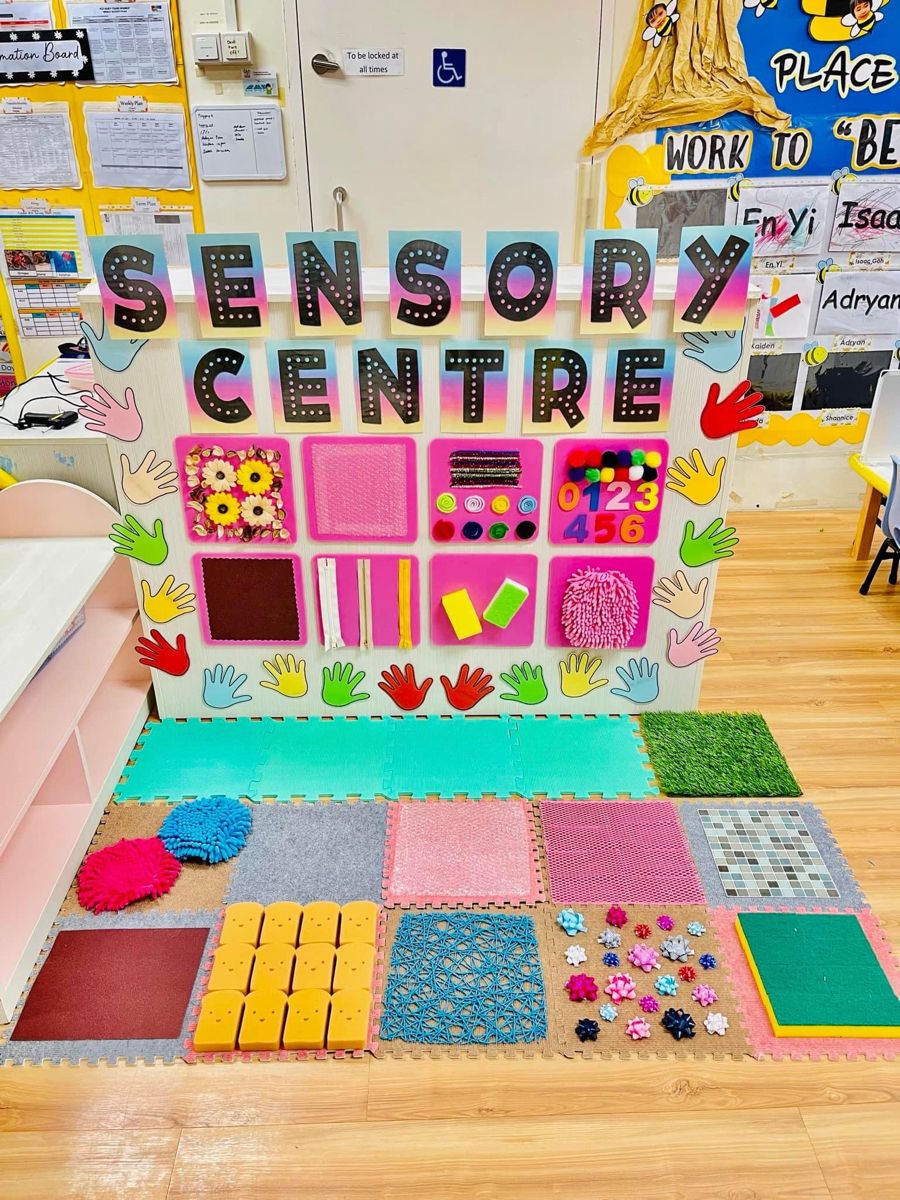
Sensory processing differences are a hallmark of autism, and they play a silent yet critical role in restraining order cases. For example, an autistic person might be hypersensitive to certain sounds, textures, or environments, making a courtroom an inherently hostile space. The hum of a ventilation system, the scent of cleaning products, or the feel of a stiff judicial robe could trigger distress, impairing their ability to focus or respond coherently. These barriers are often overlooked in legal settings, where the assumption is that all individuals can tolerate the same sensory inputs.
Communication challenges further complicate the process. Autistic individuals may use alternative forms of expression, such as written communication, sign language, or augmentative and alternative communication (AAC) devices. However, many legal systems are ill-equipped to accommodate these methods. A restraining order petitioner who relies on an AAC device might face skepticism or impatience from court staff, who may perceive their communication as “slow” or “unclear.” This lack of accessibility not only undermines their right to be heard but also reinforces the stigma that neurodivergent voices are less valid.
Case Studies: When Restraining Orders Fail or Succeed
Real-world examples illustrate the spectrum of outcomes in restraining order cases involving autistic individuals. In one instance, a nonverbal autistic adult was granted a restraining order against a caregiver who had subjected them to physical abuse. The success of the case hinged on the advocacy of a support worker who provided detailed documentation of the abuse, including video evidence and written accounts from witnesses. The judge, recognizing the individual’s communication challenges, allowed their support worker to testify on their behalf, setting a precedent for accommodations in similar cases.
Conversely, another case highlighted the pitfalls of a system ill-prepared for neurodivergent needs. An autistic teenager sought a restraining order against a peer who had been bullying them for years. Despite overwhelming evidence—including text messages and witness statements—the judge denied the request, citing the teenager’s “lack of emotional distress” in their testimony. The ruling failed to account for the teenager’s flat affect, a common autistic trait, which was misinterpreted as indifference rather than a coping mechanism. This outcome underscores the need for judicial education on autism and the importance of objective evidence in restraining order proceedings.
Advocacy and Systemic Change: Toward Inclusive Legal Protections
The path to inclusive restraining order systems begins with advocacy at multiple levels. Legal professionals must be trained to recognize autism and its manifestations, ensuring that accommodations are not seen as special treatment but as fundamental rights. This includes providing clear, written instructions for court procedures, allowing sensory-friendly spaces in courthouses, and permitting alternative forms of testimony. Advocacy organizations can play a pivotal role by offering guidance to autistic individuals navigating the legal system, helping them prepare for hearings and articulate their needs.
Policy changes are equally critical. Legislation should mandate accommodations for neurodivergent individuals in legal settings, such as mandatory sensory assessments for courthouses and the use of plain-language guides for restraining order petitions. Additionally, courts should adopt trauma-informed practices, recognizing that autistic individuals may require more time to process information or communicate their experiences. By embedding these changes into the legal framework, society can move toward a system that protects rather than excludes.
The Role of Support Networks: Building a Safety Net
For autistic individuals seeking restraining orders, support networks are often the difference between isolation and empowerment. Family members, friends, and disability advocates can assist by documenting incidents of abuse, accompanying the individual to court, and advocating for their needs. Support groups for autistic survivors of abuse offer a space to share experiences and strategies, reducing the sense of isolation that often accompanies legal battles. These networks also serve as a bridge between the autistic community and legal professionals, fostering collaboration and mutual understanding.
Technology can further enhance support systems. Apps designed for autistic individuals can provide step-by-step guides for filing restraining orders, while virtual support groups offer a safe space to discuss fears and concerns. Wearable devices with calming features, such as weighted blankets or noise-canceling headphones, can help manage sensory overload during court proceedings. By leveraging these tools, support networks can create a more accessible and responsive safety net for autistic individuals.

The intersection of autism and restraining orders is a microcosm of broader societal challenges: the tension between rigid systems and the need for flexibility, the gap between legal protections and lived experiences, and the struggle for recognition of neurodivergent voices. Protecting vulnerable individuals requires more than just laws—it demands empathy, innovation, and a commitment to dismantling barriers. By fostering inclusive legal practices, strengthening support networks, and advocating for systemic change, society can ensure that restraining orders serve their intended purpose: a shield for those who need it most. In this endeavor, the autistic community is not just a beneficiary of protection but a guiding force, illuminating the path toward a more just and understanding world.