Friendship is a cornerstone of human connection, yet for individuals on the autism spectrum, navigating social interactions can feel like deciphering an intricate, ever-shifting code. Autism Spectrum Disorder (ASD) presents unique challenges in communication, sensory processing, and social reciprocity, which can make forming and maintaining friendships daunting. However, with the right strategies, patience, and understanding, autistic individuals can cultivate meaningful relationships that enrich their lives. This guide explores the multifaceted nature of autism and friendship, offering practical insights and actionable advice for both autistic individuals and their allies.
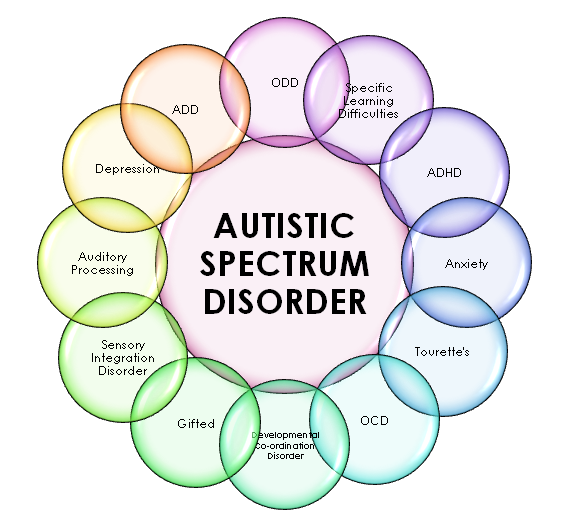
Understanding the nuances of autism is the first step toward fostering genuine connections. Autism is a neurodevelopmental condition characterized by a spectrum of traits, including differences in social communication, restricted interests, and sensory sensitivities. These traits manifest uniquely in each person, making friendship a deeply personal journey. For some, social cues may feel elusive, while others might struggle with initiating conversations or interpreting facial expressions. Yet, beneath these challenges lies a profound capacity for loyalty, honesty, and deep empathy—qualities that form the bedrock of lasting friendships.
The Spectrum of Social Challenges in Autism
Autistic individuals often encounter a labyrinth of social expectations that neurotypical people navigate intuitively. The unwritten rules of conversation—turn-taking, eye contact, and subtle body language—can be perplexing. For instance, an autistic person might take longer to process verbal cues, leading to delayed responses that are mistaken for disinterest. Similarly, sensory overload in social settings, such as loud noises or crowded spaces, can make interactions feel overwhelming, prompting withdrawal. Recognizing these challenges is crucial in adapting friendship-building strategies to accommodate individual needs.
Another common hurdle is the tendency to engage in monologues about special interests. While these passions can be a source of joy and expertise, they may inadvertently dominate conversations, leaving little room for mutual exchange. Balancing enthusiasm with reciprocity is key. Encouraging shared activities that align with these interests—such as joining a club or online community centered around a passion—can transform one-sided interactions into collaborative experiences. This approach not only validates the autistic individual’s passions but also creates natural opportunities for connection.
Strategies for Initiating Friendships
Initiating friendships requires a blend of courage and strategy. For autistic individuals, breaking the ice can feel like scaling a mountain, but small, intentional steps can pave the way. One effective method is to start with low-pressure social settings, such as structured group activities or shared-interest communities. These environments provide a clear framework for interaction, reducing the ambiguity that often accompanies unstructured socializing. For example, joining a board game club or an art class allows for interaction without the pressure of spontaneous conversation.

Another powerful tool is the use of scripts or social stories to practice introductions and small talk. These pre-written phrases or scenarios can serve as a safety net, providing a script for common social interactions. Over time, these scripts can become internalized, reducing anxiety around initiating conversations. Additionally, leveraging technology—such as messaging apps or online forums—can offer a comfortable space to practice social skills without the immediate pressure of face-to-face interaction. Gradually transitioning from digital communication to in-person meetings can build confidence and familiarity.
It’s also important to reframe the concept of friendship to align with personal strengths. For some autistic individuals, deep, one-on-one connections may feel more fulfilling than large social circles. Quality often outweighs quantity in friendship, and focusing on a few meaningful relationships can alleviate the pressure to conform to neurotypical social norms. Embracing introversion and valuing solitude as a space for recharge can further enhance the ability to engage authentically when opportunities arise.
Navigating Sensory and Emotional Sensitivities
Sensory sensitivities can significantly impact social experiences, making certain environments or interactions physically uncomfortable. Loud noises, bright lights, or even the texture of clothing can trigger distress, leading to avoidance of social situations. To mitigate this, autistic individuals can identify and communicate their sensory needs to friends and allies. For example, suggesting quieter meeting spots or shorter outings can make socializing more enjoyable. Allies, in turn, can advocate for accommodations, such as dimming lights or providing noise-canceling headphones in group settings.
Emotional regulation is another critical aspect of maintaining friendships. Autistic individuals may experience emotions intensely, which can lead to misunderstandings or conflicts. Developing coping strategies, such as mindfulness or sensory grounding techniques, can help manage emotional responses in social situations. Additionally, practicing self-advocacy—expressing needs and boundaries clearly—can prevent frustration and foster mutual understanding. Friends who are patient and willing to learn about these challenges can become invaluable allies in navigating emotional complexities.

The Role of Allies in Fostering Inclusive Friendships
Friendship is a two-way street, and allies—whether neurotypical friends, family members, or educators—play a pivotal role in creating inclusive environments. Allies can bridge gaps in understanding by educating themselves about autism and adopting a mindset of curiosity rather than judgment. Simple gestures, such as asking open-ended questions or offering clear, concise communication, can make interactions more accessible. For example, instead of relying on vague hints, allies can provide explicit instructions or feedback to avoid misunderstandings.
Inclusive friendships also thrive when allies actively challenge stereotypes and advocate for acceptance. This might involve correcting misconceptions about autism in social circles or promoting environments that accommodate diverse communication styles. Schools, workplaces, and community groups can implement sensory-friendly initiatives, such as quiet zones or flexible participation options, to ensure everyone feels welcome. By fostering a culture of inclusivity, allies can help dismantle barriers that prevent autistic individuals from forming connections.
Overcoming Rejection and Building Resilience
Rejection is an inevitable part of any social journey, but for autistic individuals, it can feel particularly devastating. The fear of rejection may deter them from initiating friendships, trapping them in a cycle of isolation. Building resilience involves reframing rejection as a learning opportunity rather than a reflection of personal worth. For instance, a rejected invitation might simply indicate a mismatch in interests or communication styles, not a failure in character. Practicing self-compassion and focusing on personal growth can help maintain motivation to keep trying.
It’s also helpful to seek out communities where acceptance is the norm. Autistic-led support groups or online forums provide safe spaces to share experiences, gain insights, and find encouragement. Connecting with others who understand the nuances of autism can validate feelings of frustration and offer practical advice. Additionally, working with a therapist or social skills coach can provide tools for coping with rejection and developing healthier social strategies.
Maintaining Friendships Long-Term
Sustaining friendships requires ongoing effort, communication, and adaptability. For autistic individuals, this might mean setting reminders for check-ins, using visual schedules to track plans, or finding alternative ways to express care. Friends, too, must be willing to adapt their communication styles to meet their autistic peers’ needs. This could involve using direct language, providing advance notice for changes in plans, or respecting boundaries around personal space and sensory preferences.

Celebrating milestones and acknowledging efforts—no matter how small—can reinforce the value of the friendship. Whether it’s remembering a shared interest or recognizing an autistic individual’s progress in social skills, these gestures foster a sense of belonging. Additionally, being open about challenges and needs can strengthen trust and deepen the connection. True friendship thrives on authenticity, and embracing differences rather than trying to “fix” them can lead to relationships that are both meaningful and enduring.
Friendship, in all its forms, is a testament to the human capacity for connection. For autistic individuals, the path to friendship may be paved with unique challenges, but it is also lined with opportunities for growth, understanding, and profound joy. By embracing individual strengths, seeking supportive communities, and fostering inclusive environments, autistic individuals can build friendships that not only endure but also enrich their lives in ways they never imagined. The journey may be complex, but the rewards—genuine bonds, shared laughter, and unwavering support—are well worth the effort.