
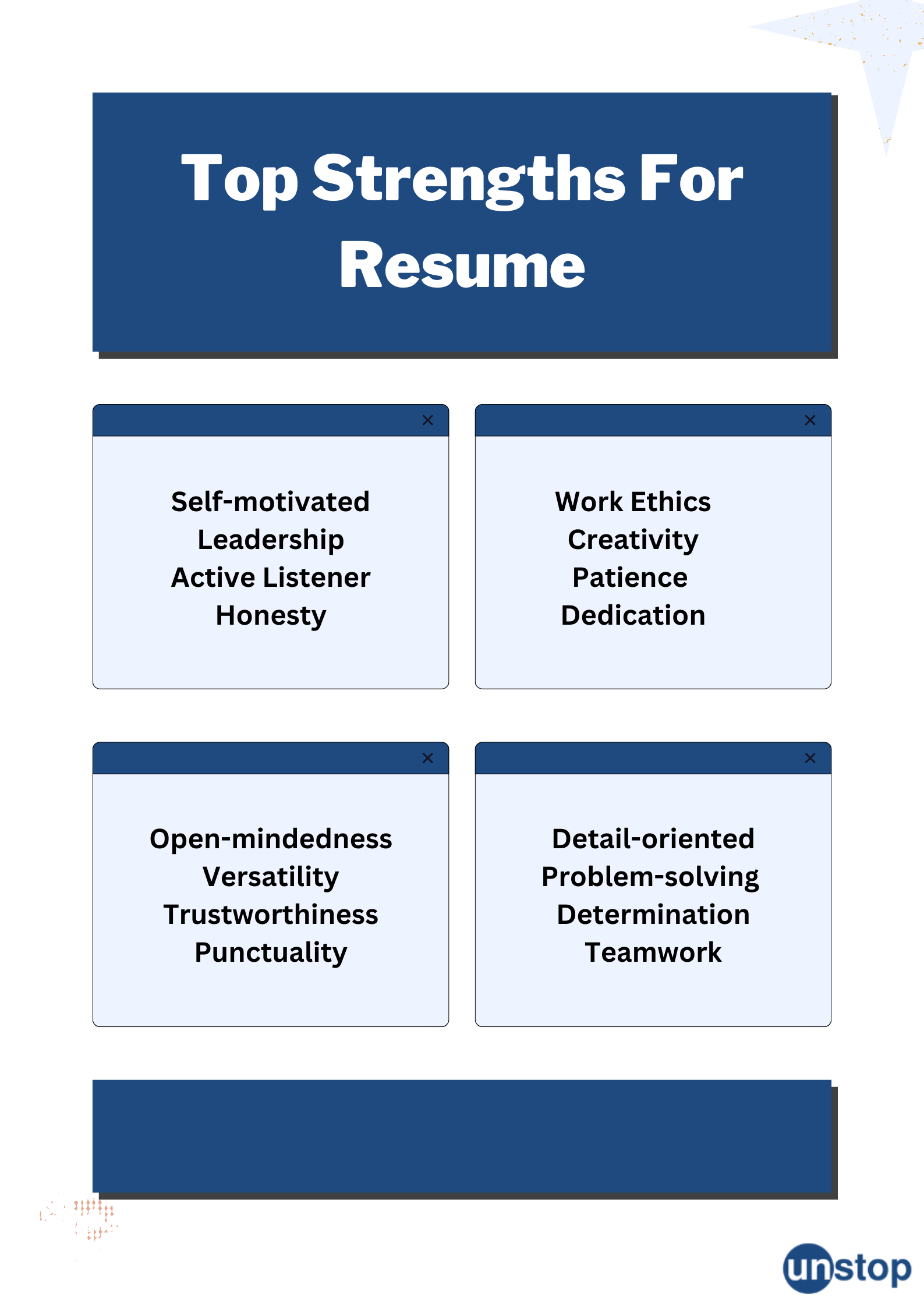
In a world where first impressions are often forged in the fires of a resume, the challenge of presenting oneself authentically—especially when navigating the unique landscape of autism—can feel like trying to fit a square peg into a round hole. Yet, what if the very traits that make you stand out are the ones that could redefine success in the workplace? The resume is more than a list of jobs and skills; it is a narrative, a story of potential waiting to be told. For neurodivergent individuals, particularly those with autism, this narrative holds the power to transform perceived limitations into unparalleled strengths. The key lies not in conforming to rigid expectations, but in reframing the conversation around what it means to contribute meaningfully. This article is your guide to crafting a resume that doesn’t just list your abilities—it showcases them in a way that commands attention, respect, and opportunity.
Imagine walking into an interview where the interviewer doesn’t just see your resume—they see the depth of your focus, the precision of your thought, and the unwavering dedication you bring to every task. For many autistic individuals, these qualities are second nature. Yet, the traditional resume format often fails to capture the nuances of such strengths. It’s time to shatter the mold. By strategically highlighting your unique attributes, you can transform your resume from a generic document into a compelling testament to your potential. This isn’t about bending the rules; it’s about redefining them to work for you.
The Myth of the “Perfect” Resume: Why Neurotypical Standards Don’t Always Fit
Resumes are, by design, a study in brevity and conformity. They thrive on keywords, chronological precision, and a one-size-fits-all approach that assumes a linear career path. For neurotypical individuals, this format may feel natural, even effortless. But for autistic individuals, the rigid structure can feel like a cage—one that forces them to compress their experiences into a format that doesn’t account for the richness of their contributions. The myth of the “perfect” resume is just that: a myth. It’s a construct built on assumptions that don’t always align with reality.
Consider the autistic trait of deep focus. While neurotypical resumes might highlight “attention to detail” as a generic skill, an autistic individual’s resume could delve deeper, illustrating how this focus led to the development of a groundbreaking project or the identification of a critical error in a complex system. The traditional resume doesn’t make room for such stories. Yet, these are the narratives that can set you apart. The first step in crafting a resume that truly reflects your strengths is to recognize that the standard format isn’t the only way—and often, it’s not the best way.
Another challenge lies in the language of resumes. Neurotypical communication often relies on implied meaning, subtle cues, and a certain fluidity that can be difficult for autistic individuals to replicate. Phrases like “team player” or “strong communicator” may feel vague or even disingenuous if they don’t align with your authentic experiences. Instead of forcing these phrases into your resume, consider replacing them with concrete examples that demonstrate your strengths in action. For instance, rather than stating you’re a “strong communicator,” you might highlight a project where your clear, concise documentation enabled a team to meet a critical deadline.
The key takeaway? Your resume doesn’t need to fit the mold—it needs to fit you. By challenging the status quo and embracing a format that highlights your unique strengths, you’re not just submitting a resume; you’re making a statement.
Reframing Strengths: From “Deficits” to Distinct Advantages
Autism brings with it a constellation of traits that, when viewed through the right lens, are not weaknesses but superpowers. The challenge lies in translating these traits into language that resonates with employers who may not yet understand their value. Let’s start with one of the most commonly misunderstood traits: routine. While neurotypical resumes might emphasize adaptability, an autistic individual’s resume could highlight the consistency and reliability that come from structured routines. Employers often crave predictability, especially in roles that require precision or repetitive tasks. By framing routine as a strength—one that ensures consistency and reduces errors—you’re not just listing a trait; you’re demonstrating its tangible benefits.
Another strength often overlooked is pattern recognition. Autistic individuals frequently excel at identifying patterns, trends, and anomalies that others might miss. This skill is invaluable in fields like data analysis, quality control, or even creative problem-solving. Instead of burying this strength in a generic “analytical skills” section, consider creating a dedicated subsection titled “Pattern Recognition and Problem-Solving.” Here, you could describe a time when your ability to spot a subtle pattern led to a significant improvement in a process or product. For example, you might detail how your keen eye for inconsistencies in a dataset helped uncover a critical flaw before it escalated into a costly issue.
Hyperfocus is yet another trait that can be a game-changer. While neurotypical resumes might mention “ability to work independently,” an autistic individual’s resume could delve into the specifics of how hyperfocus enabled them to complete a project in record time or master a complex skill with minimal oversight. Employers are increasingly recognizing the value of deep work—the ability to immerse oneself fully in a task without distraction. By framing hyperfocus as a productivity superpower, you’re not just highlighting a personal trait; you’re showcasing a tangible asset to any team.
Finally, consider the strength of honesty and direct communication. In a world where corporate speak often clouds genuine intent, autistic individuals bring a refreshing clarity to interactions. Instead of using vague phrases like “excellent interpersonal skills,” you could highlight a time when your straightforward communication resolved a conflict or streamlined a process. For example, you might describe how your direct feedback helped a team realign on a project’s goals, saving time and resources in the process.
The act of reframing your strengths isn’t just about changing the words you use—it’s about shifting the narrative. It’s about helping employers see the value in what makes you different, rather than what makes you “different.”
Structuring Your Resume for Maximum Impact: A Neurodivergent Blueprint
Crafting a resume that highlights your strengths requires more than just selecting the right words—it demands a thoughtful structure that guides the reader’s eye to your most compelling attributes. The traditional chronological format, while familiar, may not always serve neurodivergent individuals best. Instead, consider adopting a hybrid or functional resume format, which emphasizes skills and achievements over a strict timeline. This approach allows you to group your strengths thematically, making it easier for employers to see the patterns in your experiences.
Begin with a strong summary statement that encapsulates your unique value proposition. Instead of a generic objective like “Seeking a challenging role,” craft a statement that speaks to your strengths and what you bring to the table. For example: “Detail-oriented professional with a passion for pattern recognition and problem-solving, bringing a unique perspective to data analysis and quality assurance.” This statement sets the tone for the rest of your resume, immediately positioning you as someone who offers something different.
Next, create a dedicated “Core Strengths” section where you list your key attributes in a way that resonates with employers. Avoid generic terms like “team player” or “hard worker.” Instead, use specific, action-oriented language. For instance:
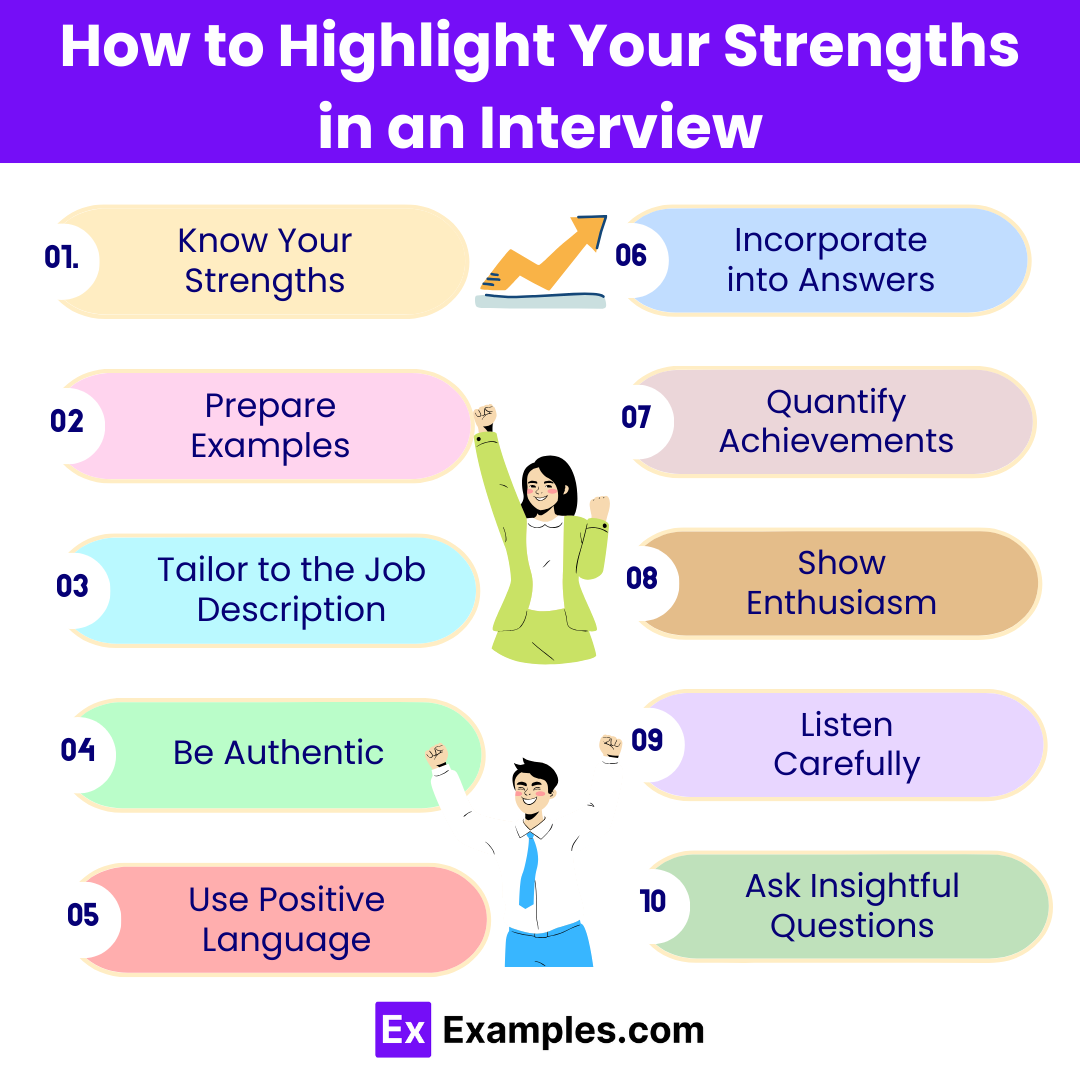
Follow this with a “Relevant Experience” section that highlights your achievements in a way that ties back to your core strengths. Use bullet points to describe your contributions, focusing on outcomes rather than tasks. For example, instead of saying “Responsible for data entry,” you might say, “Identified and corrected discrepancies in 500+ data entries, reducing processing errors by 30%.” This approach not only showcases your skills but also demonstrates their tangible impact.
Finally, consider adding a “Projects” or “Key Contributions” section where you can highlight specific work that aligns with your strengths. This is particularly useful if your resume lacks traditional work experience. For example, you might include a project where your hyperfocus enabled you to develop a new process that improved efficiency, or a contribution where your pattern recognition skills led to a breakthrough in a team’s workflow.
The structure of your resume should feel like a story—one that guides the reader through your strengths, your experiences, and your potential. By taking control of the narrative, you’re not just submitting a document; you’re inviting employers to see the world through your lens.
Addressing the Elephant in the Room: Accommodations and Authenticity
One of the most daunting aspects of crafting a resume as an autistic individual is the question of accommodations. Do you disclose your autism? Do you mention the accommodations you need to thrive? The answer isn’t black and white, but it’s a question worth exploring. Disclosing your autism on a resume isn’t necessary, and in some cases, it may not be advisable. However, what is always advisable is being authentic about the accommodations you require to perform at your best.
Consider including a brief note in your cover letter or during the interview process about the accommodations that enable you to succeed. For example, you might mention that you thrive in structured environments or that you prefer written communication to verbal instructions. This isn’t about making excuses; it’s about setting clear expectations and demonstrating your self-awareness. Employers appreciate candidates who understand their needs and are proactive about addressing them.
Another approach is to frame accommodations as strengths. For instance, instead of saying you need “frequent breaks to recharge,” you could say you “maintain peak productivity through structured downtime.” This reframing shifts the focus from limitations to strategies for success. It’s a subtle but powerful way to communicate your needs without drawing attention to perceived deficits.
Ultimately, the decision to disclose your autism is a personal one. What matters most is that your resume reflects who you are and what you bring to the table. Authenticity is your greatest asset—use it to your advantage.
The Interview: Turning Your Resume into a Conversation
A resume is only as powerful as the conversation it sparks. The interview is your opportunity to bring your resume to life, to show employers not just what you’ve done, but who you are. Preparation is key. Anticipate questions about your resume and practice articulating your strengths in a way that feels natural and compelling. For example, if an interviewer asks about your attention to detail, you might respond with a story about how your keen eye for patterns helped you identify a critical error in a project, saving time and resources.
Use the interview to highlight your unique perspective. Employers are increasingly seeking diverse viewpoints—voices that challenge the status quo and bring fresh ideas to the table. Your autism isn’t a limitation; it’s a lens through which you see the world. Share how this lens has shaped your approach to work, your problem-solving strategies, and your contributions to past projects.
Finally, remember that the interview is a two-way street. It’s your opportunity to assess whether the employer is the right fit for you. Ask questions that demonstrate your curiosity and engagement. For example, you might ask about the team’s communication style, the expectations for the role, or the company’s approach to diversity and inclusion. This not only shows your interest but also gives you valuable insights into whether the environment is one where you can thrive.
The interview is where your resume transitions from a static document to a living, breathing testament to your potential. Embrace it as an opportunity to shine.
Your resume is more than a list of jobs and skills—it’s a declaration of your potential. For autistic individuals, it’s an opportunity to reframe the narrative, to showcase the strengths that make you unique, and to challenge the conventions that have long defined what it means to be “qualified.” By embracing your authenticity, structuring your resume with intention, and approaching the interview with confidence, you’re not just applying for a job; you’re redefining what it means to succeed. The world doesn’t need another generic resume. It needs yours.












