Autism and anxiety disorders are often discussed in isolation, as if they exist in separate spheres of human experience. Yet, the reality is far more intricate. For decades, clinicians and researchers have observed a striking overlap between autism spectrum disorder (ASD) and anxiety-related conditions, prompting a reevaluation of how we understand neurodiversity and mental health. This connection is not merely coincidental; it is a profound intersection that challenges traditional diagnostic frameworks and offers new pathways for intervention. What if the behaviors we label as “autistic traits” are, in part, adaptive responses to an overwhelming inner world? What if anxiety is not just a comorbidity but a fundamental thread woven into the fabric of autism? These questions invite us to reconsider the relationship between these two conditions, not as separate entities, but as intertwined experiences that shape perception, behavior, and identity.
To grasp the depth of this connection, we must first dismantle the misconception that autism and anxiety are unrelated. The data is undeniable: studies suggest that up to 40% of autistic individuals also meet the criteria for at least one anxiety disorder, a figure that climbs even higher when considering subclinical symptoms. This prevalence is not a coincidence but a reflection of shared neurobiological and environmental factors. The autistic brain, with its unique wiring, often processes sensory input and social cues in ways that can feel like a constant barrage of unpredictability. For someone navigating this landscape, anxiety becomes not just a reaction to external stressors but a chronic companion, a shadow that distorts reality and amplifies challenges. Yet, this perspective is rarely acknowledged in mainstream discourse, where autism is often reduced to social deficits and anxiety to generalized worry. The truth is far more nuanced, and it begins with understanding the mechanisms that bind these two conditions together.
The Neurobiological Underpinnings: When Wiring and Worry Collide
The autistic brain is a marvel of complexity, characterized by atypical connectivity and heightened sensitivity to stimuli. Research in neuroimaging has revealed that regions such as the amygdala—often dubbed the brain’s “alarm system”—are hyperactive in autistic individuals, particularly in response to social and sensory threats. This hyperactivity is not a flaw but a feature of a brain that perceives the world with unparalleled intensity. For someone with autism, the amygdala may sound the alarm not just for genuine dangers but for perceived ones, creating a state of perpetual vigilance. This is where anxiety enters the equation. The amygdala’s overactivity doesn’t just trigger fear; it reshapes how the brain interprets the environment, turning neutral stimuli into potential threats. In this light, anxiety is not an external imposition but an emergent property of a brain wired for heightened awareness.
Compounding this issue is the role of the prefrontal cortex (PFC), the brain’s executive control center. In autistic individuals, the PFC often struggles to regulate the amygdala’s signals, leading to difficulties in emotional modulation and impulse control. This imbalance creates a feedback loop: the amygdala sounds the alarm, the PFC fails to dampen the response, and anxiety spirals. Yet, this neurobiological dance is not a life sentence. Emerging therapies, such as neurofeedback and cognitive-behavioral techniques tailored to autistic cognition, aim to recalibrate this dynamic, offering a glimmer of hope for those trapped in this cycle. The key lies in recognizing that anxiety in autism is not a sign of weakness but a testament to the brain’s relentless engagement with the world.
The Sensory Onslaught: How the World Feels Like a Minefield
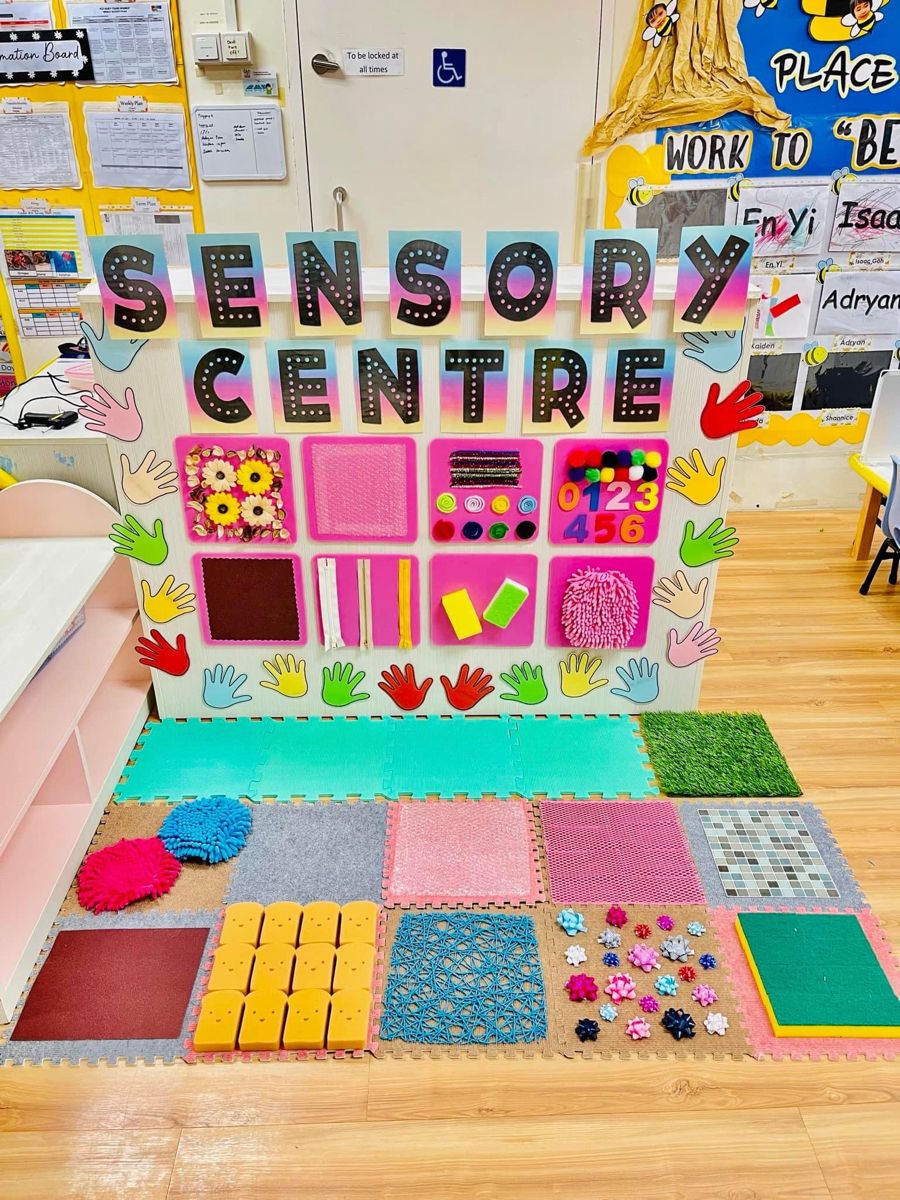
For many autistic individuals, the world is a symphony of overwhelming stimuli—a cacophony of sounds, lights, textures, and smells that others may barely notice. This sensory hypersensitivity is not a trivial inconvenience; it is a fundamental aspect of the autistic experience, one that can trigger profound anxiety. Imagine walking into a bustling café, where the clatter of cups, the hum of conversation, and the flicker of fluorescent lights converge into a sensory assault. For someone with autism, this environment may feel like standing in the eye of a storm, where every sensation is amplified to an unbearable degree. The result? A fight-or-flight response that leaves the individual exhausted, disoriented, and emotionally drained.
This sensory anxiety is often dismissed as mere “overreaction” or “meltdowns,” but such labels strip away the lived experience of those who endure it. Sensory overload is not a choice; it is an involuntary reaction to a world that fails to accommodate neurodivergent needs. The anxiety that follows is not irrational—it is a rational response to an environment that is, by design, hostile. This realization shifts the narrative from one of pathology to one of adaptation. If we accept that anxiety in autism is, in part, a response to sensory adversity, then the solution lies not in suppressing symptoms but in redesigning environments to be more inclusive. Quiet spaces, noise-canceling headphones, and flexible lighting are not luxuries; they are essential tools for mitigating the sensory triggers that fuel anxiety.

Social Anxiety: The Invisible Weight of Misunderstood Cues
Social interactions are a minefield for many autistic individuals, not because they lack the desire to connect, but because the rules of engagement are often opaque and contradictory. Autistic people may struggle to interpret facial expressions, tone of voice, and body language, leaving them vulnerable to misreading social cues. A raised eyebrow, a sarcastic remark, or an ambiguous glance can trigger a cascade of anxiety, as the individual grapples with uncertainty about how to respond. This social anxiety is not a fear of people per se but a fear of the unpredictable nature of human interaction—a fear that stems from a lifetime of being misunderstood or judged for behaviors that are, in fact, coping mechanisms.
The pressure to “act neurotypical” exacerbates this anxiety, creating a double bind. Autistic individuals may feel compelled to mask their true selves to avoid rejection, only to find that the effort leaves them emotionally depleted. The result is a cycle of exhaustion and self-doubt, where the fear of social failure looms large. Yet, this anxiety is not a reflection of inherent social incompetence. It is a reflection of a world that has not yet learned to meet autistic individuals where they are. Social skills training, when approached with empathy and tailored to individual needs, can offer tools for navigating these challenges. But the ultimate goal should not be assimilation; it should be acceptance—a world where autistic people are free to communicate in ways that feel authentic to them, without the burden of anxiety.
Anxiety as a Coping Mechanism: The Paradox of Hypervigilance
In the face of uncertainty, the autistic brain often defaults to hypervigilance—a state of heightened awareness that serves as both a shield and a prison. Hypervigilance is not a conscious choice; it is an adaptive response to a world perceived as unpredictable and threatening. For autistic individuals, this state can manifest as a constant scanning of the environment for potential dangers, a tendency to overanalyze interactions, or an aversion to novelty. While this hypervigilance may protect against perceived threats, it also exacts a toll: chronic fatigue, irritability, and a pervasive sense of dread. Anxiety, in this context, is not just an emotion; it is a survival strategy, a way of preemptively managing the chaos of an unpredictable world.
Yet, this coping mechanism is a double-edged sword. What begins as a protective measure can evolve into a self-perpetuating cycle, where the brain becomes trapped in a loop of anticipation and dread. Breaking this cycle requires more than reassurance or distraction; it demands a fundamental shift in how the brain processes threat. Techniques such as exposure therapy, when adapted for autistic cognition, can help individuals gradually desensitize to feared stimuli. Mindfulness practices, too, offer a way to ground oneself in the present moment, reducing the grip of anticipatory anxiety. The goal is not to eliminate hypervigilance entirely but to transform it from a source of suffering into a tool for resilience.
Breaking the Stigma: Anxiety in Autism as a Valid Experience
The stigma surrounding anxiety in autism is rooted in a broader cultural narrative that pathologizes neurodivergence. Anxiety is often dismissed as a “behavioral issue” or a sign of “lack of resilience,” rather than a legitimate and understandable response to a world that is not designed for autistic minds. This stigma is compounded by the tendency to attribute autistic behaviors to “just part of the condition,” as if anxiety is an inevitable and untreatable aspect of autism. Such attitudes not only invalidate the experiences of autistic individuals but also deny them access to the support and interventions they need.
Challenging this stigma begins with language. Instead of framing anxiety as a “comorbidity” or a “secondary condition,” we must recognize it as an integral part of the autistic experience for many. This shift in perspective allows for a more holistic approach to care, one that addresses both the core traits of autism and the emotional challenges that arise from navigating a neurotypical world. It also demands that we listen to autistic voices, whose insights into their own experiences are often the most valuable resource for understanding and addressing anxiety.

Pathways to Support: Beyond the One-Size-Fits-All Approach
Traditional anxiety treatments, such as cognitive-behavioral therapy (CBT), are often less effective for autistic individuals due to differences in communication styles, cognitive processing, and emotional expression. This does not mean that support is impossible; it means that support must be reimagined. Autistic-affirming therapy prioritizes flexibility, sensory comfort, and clear, concrete language, ensuring that interventions are accessible and meaningful. For example, a therapist might use visual aids or social stories to explain anxiety in a way that resonates with an autistic client’s cognitive style. Similarly, medication, when necessary, should be approached with caution, as autistic individuals may experience side effects differently than neurotypical individuals.
Support must also extend beyond the clinical setting. Schools, workplaces, and communities play a crucial role in creating environments that accommodate neurodivergent needs. Simple adjustments, such as providing written instructions instead of verbal ones or allowing for movement breaks during tasks, can significantly reduce anxiety for autistic individuals. The key is to move away from a deficit-based model—one that focuses on “fixing” the individual—and toward a strengths-based model that celebrates neurodiversity while addressing challenges with empathy and creativity.
The journey to understanding the connection between autism and anxiety is not a linear one. It is a process of unraveling deeply ingrained assumptions, listening to marginalized voices, and reimagining what it means to support neurodivergent individuals. It requires us to see anxiety not as a flaw to be eradicated but as a signal—a call to action to create a world that is more inclusive, more understanding, and more attuned to the diverse ways in which human minds operate.
As we move forward, let us embrace this complexity. Let us acknowledge that the autistic brain, with all its sensitivities and strengths, is not a problem to be solved but a perspective to be valued. And let us recognize that anxiety, when understood through the lens of autism, is not a barrier but a bridge—a bridge to deeper empathy, richer connections, and a future where neurodivergent individuals are not just tolerated but celebrated.