Autism and depression often intersect in ways that can complicate diagnosis, treatment, and daily living. While autism spectrum disorder (ASD) and major depressive disorder (MDD) are distinct conditions, their co-occurrence is not uncommon. Understanding the nuances of each—along with their overlapping symptoms—can empower individuals, families, and caregivers to seek appropriate support. This article explores the signs, symptoms, and support strategies for navigating autism and depression, offering insights for different types of readers.
The Intersection of Autism and Depression: Why It Matters
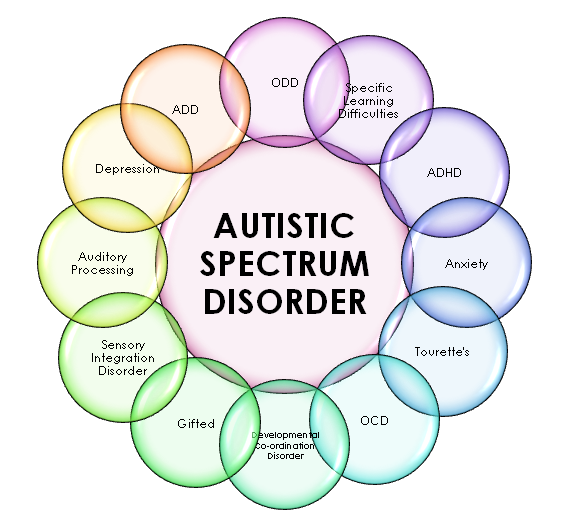
Autism is a neurodevelopmental condition characterized by differences in social communication, sensory processing, and repetitive behaviors. Depression, on the other hand, is a mood disorder marked by persistent sadness, loss of interest, and cognitive impairments. When these two conditions coexist, the challenges can feel amplified. Research suggests that autistic individuals are at a higher risk of developing depression due to factors like social isolation, difficulty interpreting emotions, and the cumulative stress of navigating a neurotypical world.
For some, the symptoms of depression may be mistaken for autistic traits—such as social withdrawal or reduced eye contact—making diagnosis tricky. Conversely, depression can exacerbate autistic symptoms, creating a feedback loop that worsens overall well-being. Recognizing this interplay is the first step toward tailored intervention.
Recognizing the Signs: Autism vs. Depression
While autism and depression share some overlapping features, their core symptoms diverge in distinct ways. Autism typically manifests in early childhood, with persistent challenges in communication, restricted interests, and sensory sensitivities. Depression, however, often emerges later, especially during adolescence or adulthood, and is marked by emotional distress that feels overwhelming and unrelenting.
Key signs of autism may include:
- Persistent difficulties in social interaction: Struggles with understanding social cues, maintaining conversations, or forming friendships.
- Repetitive behaviors or restricted interests: Intense focus on specific topics, insistence on routines, or repetitive movements (e.g., hand-flapping, rocking).
- Sensory sensitivities: Over- or under-reactivity to sounds, textures, lights, or smells.
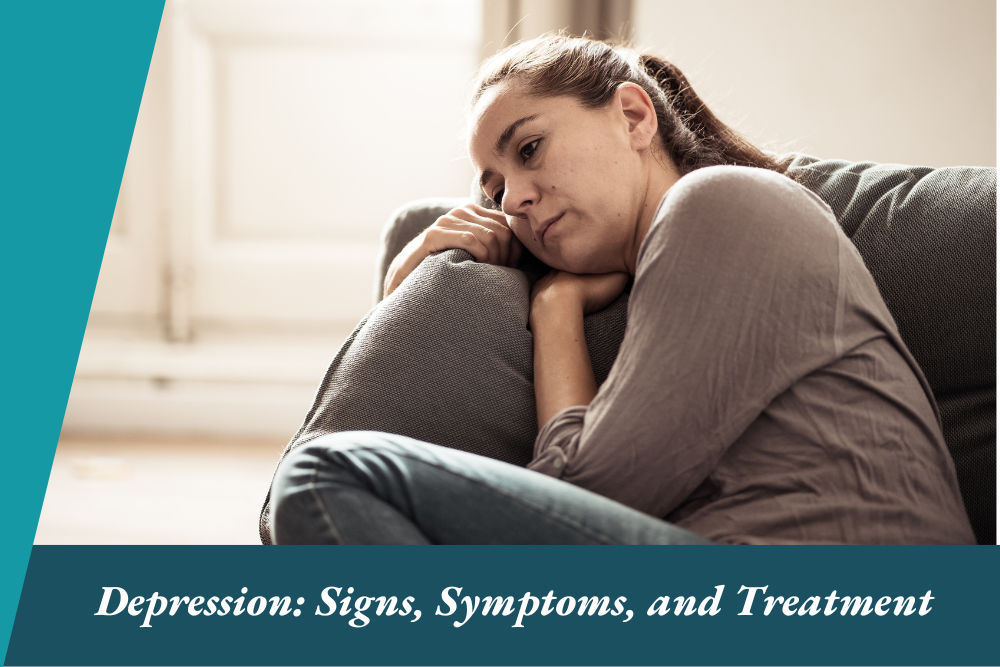
In contrast, depression may present as:
- Pervasive sadness or emptiness: A deep, unshakable sense of hopelessness that lingers for weeks or months.
- Loss of interest in previously enjoyed activities: Withdrawal from hobbies, social interactions, or even basic self-care.
- Fatigue and low energy: A crushing exhaustion that makes even small tasks feel insurmountable.
- Cognitive difficulties: Trouble concentrating, indecisiveness, or memory lapses that interfere with daily functioning.
When these conditions coexist, the symptoms can blur. For example, an autistic individual might avoid social interactions due to sensory overload, which could later be misinterpreted as depressive withdrawal. Conversely, depression might amplify autistic traits, such as rigidity in routines or heightened irritability.
Why Autistic Individuals Are at Higher Risk for Depression
The link between autism and depression is well-documented, with studies indicating that autistic adults are three to four times more likely to experience depression than their neurotypical peers. Several factors contribute to this elevated risk:
- Social rejection and exclusion: Autistic individuals often face bullying, discrimination, or a lack of understanding from peers, leading to chronic stress and loneliness.
- Difficulty expressing emotions: Alexithymia—a common trait in autism—can make it hard to identify or articulate feelings, delaying recognition of depressive symptoms.
- Sensory and cognitive overload: The constant effort to mask autistic traits (a phenomenon known as “camouflaging”) can lead to burnout and emotional exhaustion.
- Life transitions and unmet needs: Challenges in employment, relationships, or independent living can compound feelings of inadequacy.
Understanding these risk factors is crucial for early intervention. Recognizing the signs before they escalate can prevent a downward spiral into more severe mental health crises.
Support Strategies: Navigating Autism and Depression Together
Supporting someone with both autism and depression requires a multifaceted approach that addresses their unique needs. Here are strategies tailored for different audiences:
For Autistic Individuals
Self-advocacy is a powerful tool. Start by documenting your symptoms in a journal to track patterns in mood, energy, and behaviors. This can help differentiate between autistic traits and depressive episodes. Consider working with a therapist experienced in both autism and mental health—someone who understands the nuances of neurodivergent experiences.
Building a support network is equally important. Seek out autistic-led communities or online forums where you can connect with others who share similar struggles. Small, manageable goals—like daily walks or creative outlets—can also provide a sense of accomplishment and purpose.

For Families and Caregivers
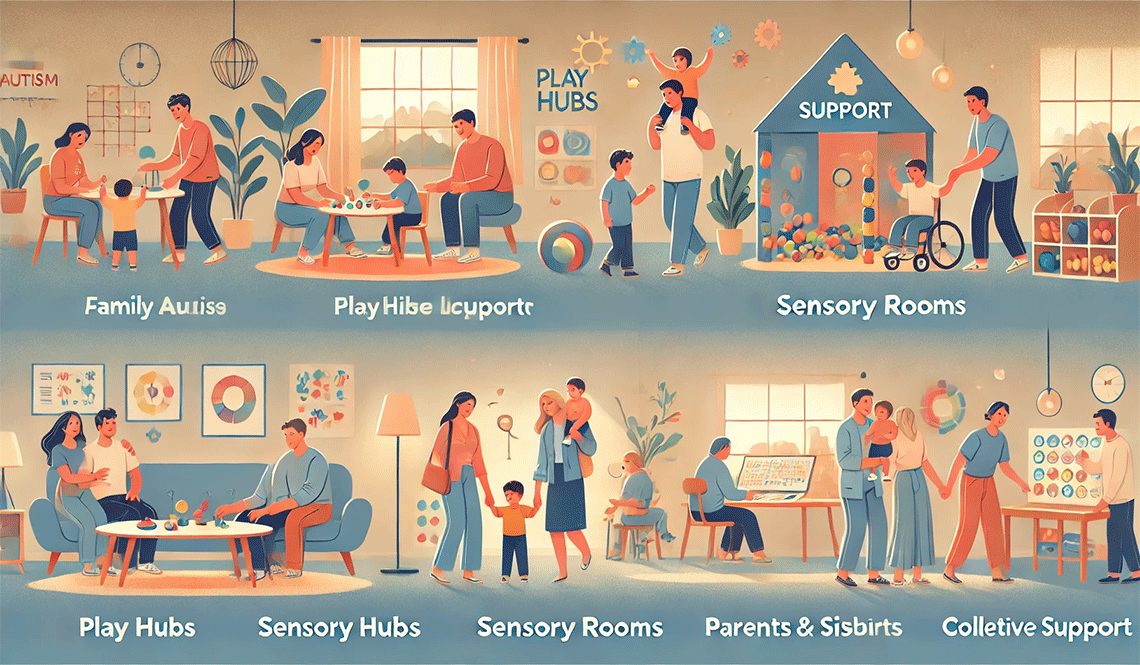
Families play a pivotal role in providing a safe, validating environment. Educate yourself about autism and depression to avoid misattributing behaviors. For example, if your loved one withdraws, consider whether it’s due to sensory overload or depressive isolation before intervening.
Encourage open communication without pressure. Use clear, concrete language to discuss emotions, and offer accommodations that respect their sensory and social needs. Routine check-ins—without judgment—can make a significant difference in catching depressive symptoms early.
For Educators and Employers
Workplaces and schools can implement accommodations that reduce stress and foster inclusion. Flexible schedules, noise-canceling headphones, or quiet spaces can mitigate sensory overload. For employees or students showing signs of depression, consider offering mental health resources or adjusting workloads to prevent burnout.
Training staff on neurodiversity and mental health awareness can also create a more supportive environment. Small changes, like allowing written communication instead of verbal responses, can make a world of difference.
Therapeutic Approaches: What Works?
Evidence-based therapies can address both autism and depression, though finding the right fit may require trial and error. Cognitive Behavioral Therapy (CBT) is often recommended for depression, but traditional CBT may need adaptations for autistic individuals. For example, some autistic people benefit from more concrete, visual tools to process emotions.
Occupational therapy can also help manage sensory sensitivities and daily living challenges, while social skills training—when tailored to the individual—may improve confidence in interactions. Medication, such as SSRIs, can be effective for depression but should be approached cautiously, as autistic individuals may experience side effects differently.
Breaking the Stigma: Changing the Narrative
Society often frames autism and depression as individual struggles, but systemic change is necessary to create a more inclusive world. Advocacy efforts should push for better mental health resources, workplace accommodations, and educational support for neurodivergent individuals.
Sharing personal stories can also combat stigma. When autistic individuals speak openly about their mental health journeys, it fosters empathy and understanding. Allies—whether friends, family, or colleagues—can amplify these voices by listening without judgment and advocating for accessible spaces.
Looking Ahead: Hope and Resilience
While the intersection of autism and depression presents unique challenges, it’s important to remember that support and understanding exist. With the right tools, accommodations, and community, individuals can thrive despite these obstacles. Progress may not always be linear, but every small step forward is a victory.
For those navigating this journey, know that you are not alone. Resources, therapies, and communities are available to guide you. By fostering awareness and embracing neurodiversity, we can create a world where everyone—regardless of their neurology—has the opportunity to lead a fulfilling life.