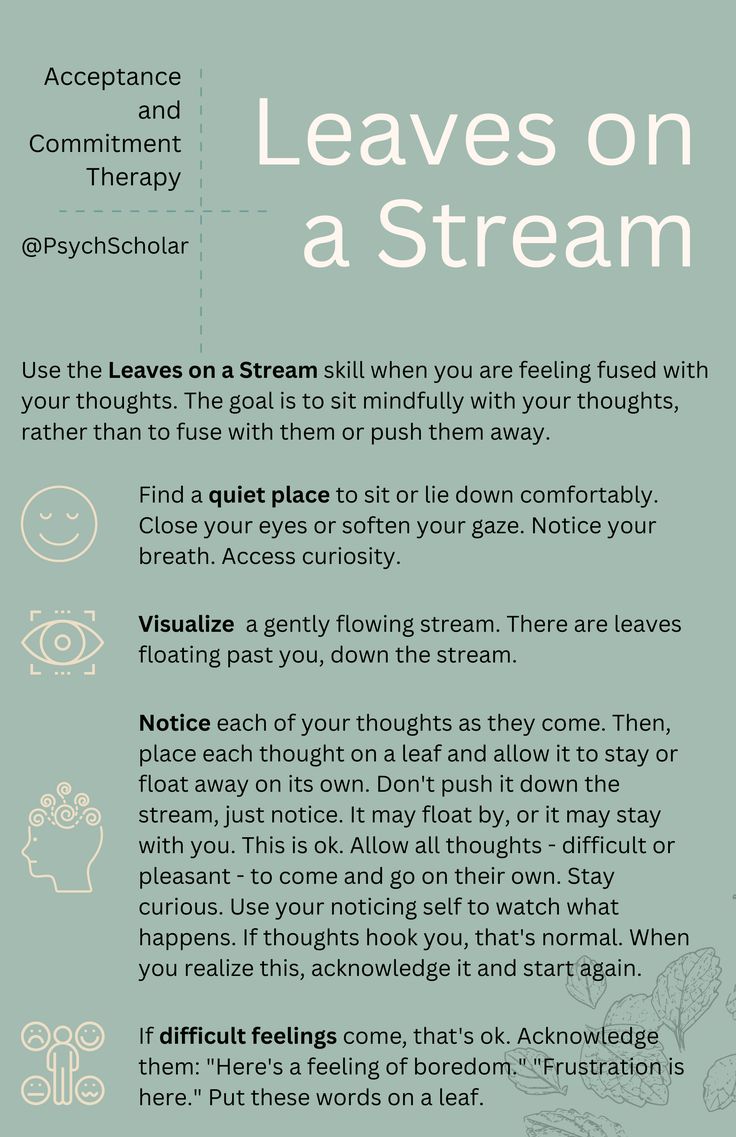
In the labyrinth of human cognition, where the contours of neurodiversity carve paths less traveled, autism emerges not as a deficit to be corrected, but as a constellation of perspectives waiting to be understood. Acceptance and Commitment Therapy (ACT), a mindfulness-based behavioral intervention, offers a transformative lens—one that invites individuals on the autism spectrum, and those who love them, to embrace their inner landscape with curiosity rather than resistance. This approach doesn’t seek to “fix” the autistic experience but to foster psychological flexibility, allowing for a deeper engagement with life’s unfolding moments. As we navigate this terrain, we uncover how ACT can become a compass, guiding both autistic individuals and their support networks toward a more compassionate and adaptive way of being.
Imagine standing at the edge of a vast, uncharted forest. The trees are dense, the paths winding, and the air hums with unfamiliar sounds. For many autistic individuals, the world often feels like this forest—rich in texture and meaning, yet overwhelming in its unpredictability. ACT doesn’t clear the forest or pave new roads. Instead, it teaches us to walk within it, to notice the rustling leaves, the dappled light, and the quiet spaces between the chaos. This is the promise of ACT: a shift from the exhausting pursuit of control to the liberating art of acceptance.
The Autistic Mind: A Tapestry of Perception
Autism is not a monolith. It is a spectrum as varied as the hues of a sunset, each shade representing a unique way of processing the world. Sensory sensitivities, social nuances, and cognitive patterns diverge widely, painting a picture that defies one-size-fits-all solutions. Yet, within this diversity lies a common thread: the autistic brain often operates with heightened attention to detail, a preference for routine, and a deep well of intrinsic interests. These traits are not flaws but features of a mind that perceives the world with unparalleled intensity.
Consider the autistic individual who finds solace in the rhythmic hum of a refrigerator or the intricate patterns of a tiled floor. These are not mere distractions but sources of comfort, anchors in a sea of sensory overload. ACT acknowledges these experiences not as obstacles but as valid aspects of identity. By validating these perceptions, ACT lays the groundwork for psychological flexibility—the cornerstone of thriving in a world that often misunderstands neurodivergence.
The challenge, then, is not to suppress these experiences but to cultivate a relationship with them that fosters resilience. This is where ACT’s mindfulness practices come into play. Through exercises like the “observing self” meditation, autistic individuals learn to step back from their thoughts and sensations, observing them without judgment. It’s akin to watching clouds drift across the sky—recognizing their presence without attempting to alter their course. This practice demystifies the inner world, transforming overwhelming stimuli into manageable, even meaningful, experiences.
Psychological Flexibility: The Heart of ACT
Psychological flexibility is the ability to adapt to situational demands, shift mindsets or behavioral repertoires when these strategies compromise personal or social functioning, and maintain balance among important life domains. For autistic individuals, this flexibility is often stifled by rigid expectations—both societal and self-imposed. ACT intervenes by teaching six core processes that dismantle these barriers: acceptance, cognitive defusion, present-moment awareness, self-as-context, values, and committed action.
Acceptance, in the context of ACT, is not passive resignation but an active embrace of one’s experiences, even the painful ones. For an autistic person struggling with social rejection, acceptance might mean acknowledging the hurt without letting it define their worth. Cognitive defusion, another pillar, involves detaching from unhelpful thoughts. Instead of ruminating, “I’ll never fit in,” an autistic individual might reframe this as, “I notice I’m having the thought that I don’t fit in.” This subtle shift reduces the emotional grip of such thoughts, creating space for alternative narratives.

Present-moment awareness anchors the individual in the here and now, a practice that can be particularly grounding for those prone to anxiety or rumination. Self-as-context, often likened to the “witness” or “observer” self, encourages a perspective beyond the self-critical narratives that so often plague neurodivergent minds. Values, the compass of ACT, guide individuals toward what truly matters to them—whether it’s deepening relationships, pursuing passions, or advocating for neurodiversity. Finally, committed action translates these values into tangible steps, no matter how small, fostering a sense of agency and purpose.
Navigating Social Terrains with ACT
Social interactions can feel like navigating a minefield for autistic individuals. Misinterpreted cues, unwritten rules, and the pressure to mask one’s true self create a landscape fraught with anxiety. ACT reframes this challenge by shifting the focus from “getting it right” to “being present.” Instead of fixating on perceived failures, autistic individuals learn to observe social cues with curiosity, treating each interaction as an experiment rather than a test.
For instance, an autistic adult might use cognitive defusion to detach from the thought, “I always say the wrong thing.” By recognizing this as a thought rather than an absolute truth, they can engage in social situations with greater ease. Present-moment awareness helps them stay attuned to the nuances of conversation, while values guide them toward authentic connections. Committed action might involve setting small, achievable goals, like initiating one conversation per week, without the pressure of perfection.
This approach doesn’t eliminate the challenges of social navigation but transforms them into opportunities for growth. It’s a radical departure from the deficit-based models that have historically pathologized autism, instead celebrating the unique strengths that neurodivergent individuals bring to social dynamics—such as honesty, deep focus, and innovative problem-solving.
The Role of Support Networks
ACT isn’t solely for autistic individuals; it’s a framework that can empower families, educators, and therapists to better support neurodivergent loved ones. Parents of autistic children, for example, often grapple with grief, guilt, or frustration as they navigate the complexities of raising a neurodivergent child. ACT helps them cultivate acceptance of their child’s unique path, reducing the emotional toll of societal expectations.
For educators, ACT offers tools to create inclusive classrooms where autistic students can thrive. By modeling psychological flexibility—such as acknowledging mistakes, adapting teaching methods, and fostering a growth mindset—educators can cultivate an environment that values neurodiversity. This shift from compliance to connection transforms the educational experience, allowing autistic students to engage with learning on their own terms.
Therapists, too, can integrate ACT into their practice, tailoring interventions to the unique needs of autistic clients. Techniques like metaphorical storytelling, experiential exercises, and values clarification can make ACT more accessible and meaningful. The goal isn’t to “normalize” autistic behavior but to help individuals live in alignment with their values, regardless of societal norms.
From Acceptance to Action: The Journey Ahead
The promise of ACT lies in its ability to bridge the gap between acceptance and action. It’s not enough to merely accept one’s experiences; ACT encourages individuals to move forward, guided by their deepest values. For an autistic person, this might mean pursuing a career that aligns with their passions, advocating for neurodiversity, or simply finding joy in the small, sensory-rich moments of life.
This journey is not linear. There will be setbacks, moments of doubt, and the ever-present challenge of a world that often fails to accommodate neurodivergence. Yet, with each step, autistic individuals and their support networks can cultivate a resilience rooted in authenticity. The forest, once daunting, becomes a place of exploration and discovery—a testament to the beauty of a mind that sees the world differently.
In the end, ACT doesn’t promise to erase the struggles of autism. Instead, it offers a new way of relating to those struggles—a way that transforms them from obstacles into opportunities for growth. It’s a shift in perspective that doesn’t just change lives; it redefines what it means to live authentically in a world that is, at times, overwhelmingly rigid. For autistic individuals and those who walk alongside them, ACT is more than a therapy; it’s an invitation to embrace the full spectrum of human experience, with all its colors, textures, and unexpected wonders.