Have you ever wondered what it feels like to navigate the intricate labyrinth of social gatherings when every sound, scent, and spark of conversation seems overwhelming? For many individuals on the autism spectrum, the simple act of attending a festive party or a holiday gathering can morph into a complex challenge that requires more than just good intentions and a smile. The sensory cacophony mixed with social expectations creates an environment where overwhelm often takes center stage.
Understanding the Sensory Landscape of Social Gatherings
Social gatherings are a mosaic of sensory inputs—loud laughter, sharp lighting, the mingling aromas of food, and unpredictable physical proximity. For those with autism, these stimuli can coalesce into an intense sensory onslaught that overwhelms the nervous system. The heightened sensitivity to environmental factors—like the piercing ring of a doorbell or the clinking of glasses—can trigger a cascade of sensory overload. This phenomenon is not merely discomfort; it can lead to heightened anxiety and an urgent need to retreat from the chaos.

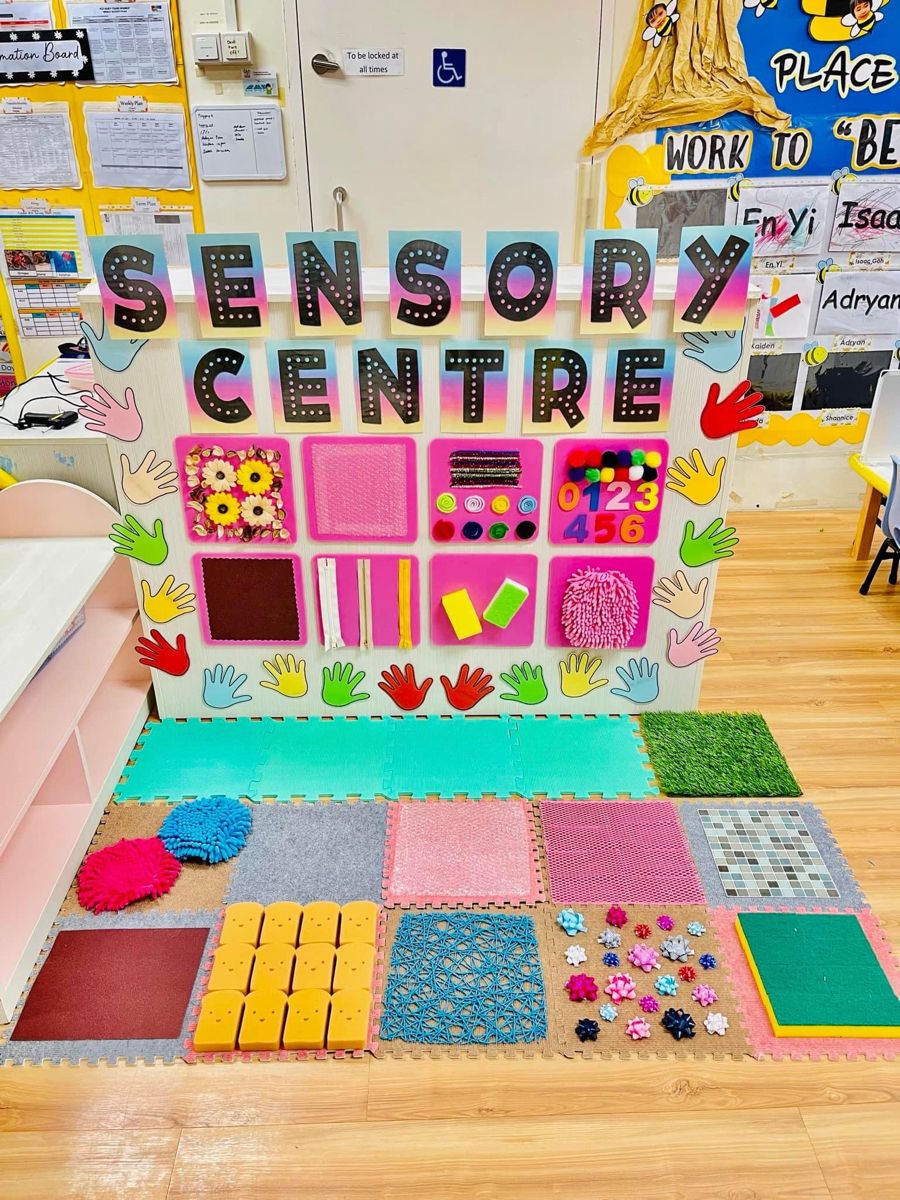
Addressing this sensory landscape demands thoughtful strategies that acknowledge these sensitivities. Creating quieter zones or offering noise-canceling headphones can transform the experience from overwhelming to manageable. Recognizing that sensory overload is a key player in social discomfort is the first step toward empathetic support.
The Social Circuitry: Navigating Nuances and Expectations
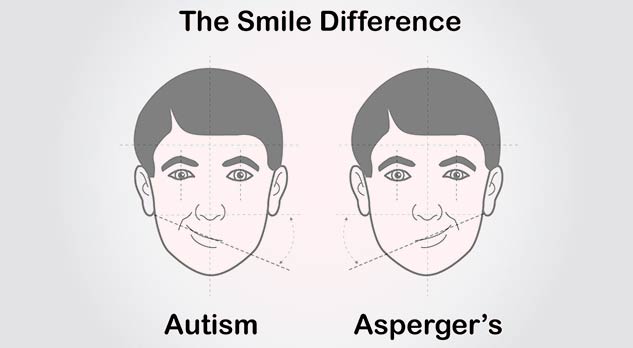
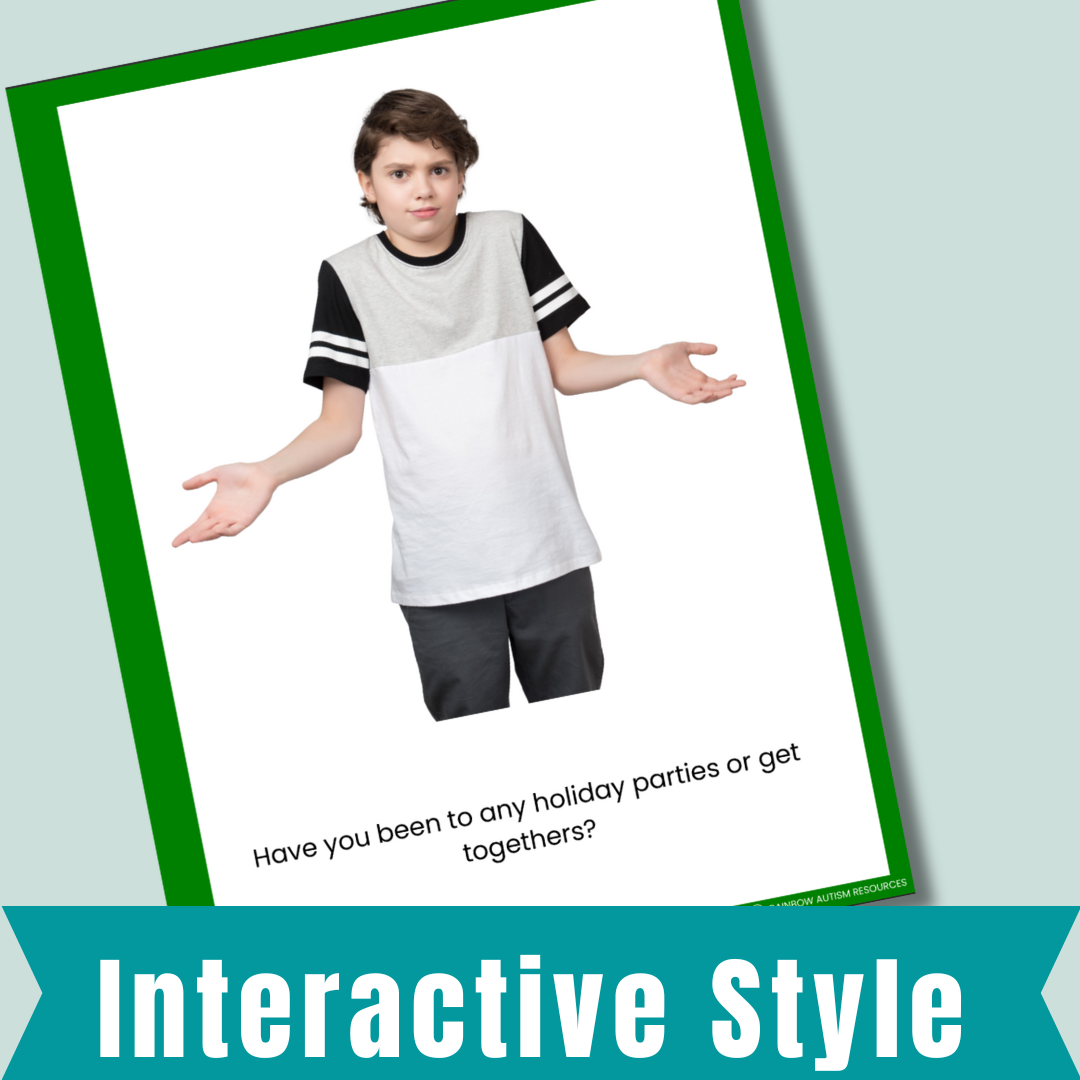
Social gatherings are riddled with nuanced expectations and unspoken rules—from knowing when to interject in conversation to interpreting subtle facial expressions. These can be particularly perplexing for autistic individuals, who often process social cues differently, if at all. The result is a social labyrinth where every interaction feels fraught with uncertainty.
Overcoming this obstacle involves more than simple exposure; it requires tailored scaffolding of social skills. Utilizing social stories or role-playing scenarios can provide a mental map of what to anticipate. These preparatory tools reduce the trepidation surrounding social interactions, converting ambiguity into understanding.

Moreover, explicit communication from hosts and participants—such as clear introductions and gentle cues—can demystify social norms, fostering inclusivity and easing the social strain.
Emotion Regulation in the Midst of Bustling Events
Emotional regulation during social stressors is a formidable challenge when sensory inputs and social demands intertwine. The accumulation of minor discomforts can elevate stress levels exponentially, culminating in a state where emotions feel ungovernable. This response is not a matter of willpower but of neurological response to overstimulation.
Implementing coping mechanisms such as scheduled breaks, mindfulness exercises, and the use of calming tools can serve as emotional safety valves. Encouraging self-advocacy is equally vital—allowing individuals to express discomfort and disengage without judgment supports emotional equilibrium.
Preparation and Predictability: Building a Framework for Success
One potent antidote to overwhelm is predictability. A detailed preview of what to expect at the event—the order of activities, the presence of certain people, and even the foods that will be served—can alleviate anxiety stemming from uncertainty. Visual schedules or checklists provide tangible anchors in an otherwise fluid social environment.

Parents, caregivers, and organizers who invest time in preparing autistic individuals not only ease the experience but also empower them with a sense of control. This foresight transforms anxiety into anticipation.
The Role of Inclusivity and Understanding from Hosts and Guests
Social gatherings become less daunting when those in attendance embrace inclusivity and understanding. Hosts can cultivate an environment where diverse needs are respected—offering sensory-friendly spaces, flexible timing, and explicit invitations to communicate individual comfort levels. Guests who practice patience and empathy contribute to a collective atmosphere of support.
The ripple effect of this kindness fosters genuine belonging, reducing the isolation often felt by autistic individuals in social settings. It is within this milieu of acceptance that authentic connections flourish despite sensory or social differences.
Conclusion: Embracing Complexity with Compassion
Social gatherings, while joyous and enriching for many, can conceal formidable challenges for individuals on the autism spectrum. The interplay of sensory sensitivities, social intricacies, and emotional regulation crafts a unique landscape of overwhelm. Yet, within this complexity lies the potential for meaningful adaptation through preparation, understanding, and compassionate support.
By dismantling barriers and reframing expectations, it becomes possible to transform social gatherings from sources of distress into opportunities for connection and growth. The journey is one of patience and persistence—an invitation to view social overwhelm not as a deficit, but as a nuanced facet of human experience deserving of thoughtful accommodation.