Autism Spectrum Disorder (ASD) presents a complex tapestry of challenges, where conventional therapies often intersect with alternative modalities in the pursuit of holistic well-being. Among these, acupuncture—an ancient practice rooted in Traditional Chinese Medicine (TCM)—has emerged as a subject of intrigue for parents, caregivers, and researchers alike. The question lingers: does acupuncture truly offer respite for individuals navigating the labyrinthine pathways of autism? To unravel this, we must delve into the physiological, neurological, and experiential dimensions of both ASD and acupuncture, examining how this millennia-old technique might intersect with modern understandings of neurodiversity.
The Intersection of Tradition and Neurodiversity
Acupuncture operates on the premise of restoring balance within the body’s vital energy, or *qi*, by stimulating specific points along meridians. For individuals with autism, whose sensory and cognitive experiences often deviate from neurotypical norms, this concept of balance may hold particular resonance. ASD is characterized by a spectrum of traits, including sensory sensitivities, social communication challenges, and repetitive behaviors—each of which may be influenced by disruptions in neural pathways or imbalances in neurotransmitter function. Acupuncture’s ability to modulate the nervous system, reduce inflammation, and promote relaxation could theoretically address some of these underlying mechanisms.
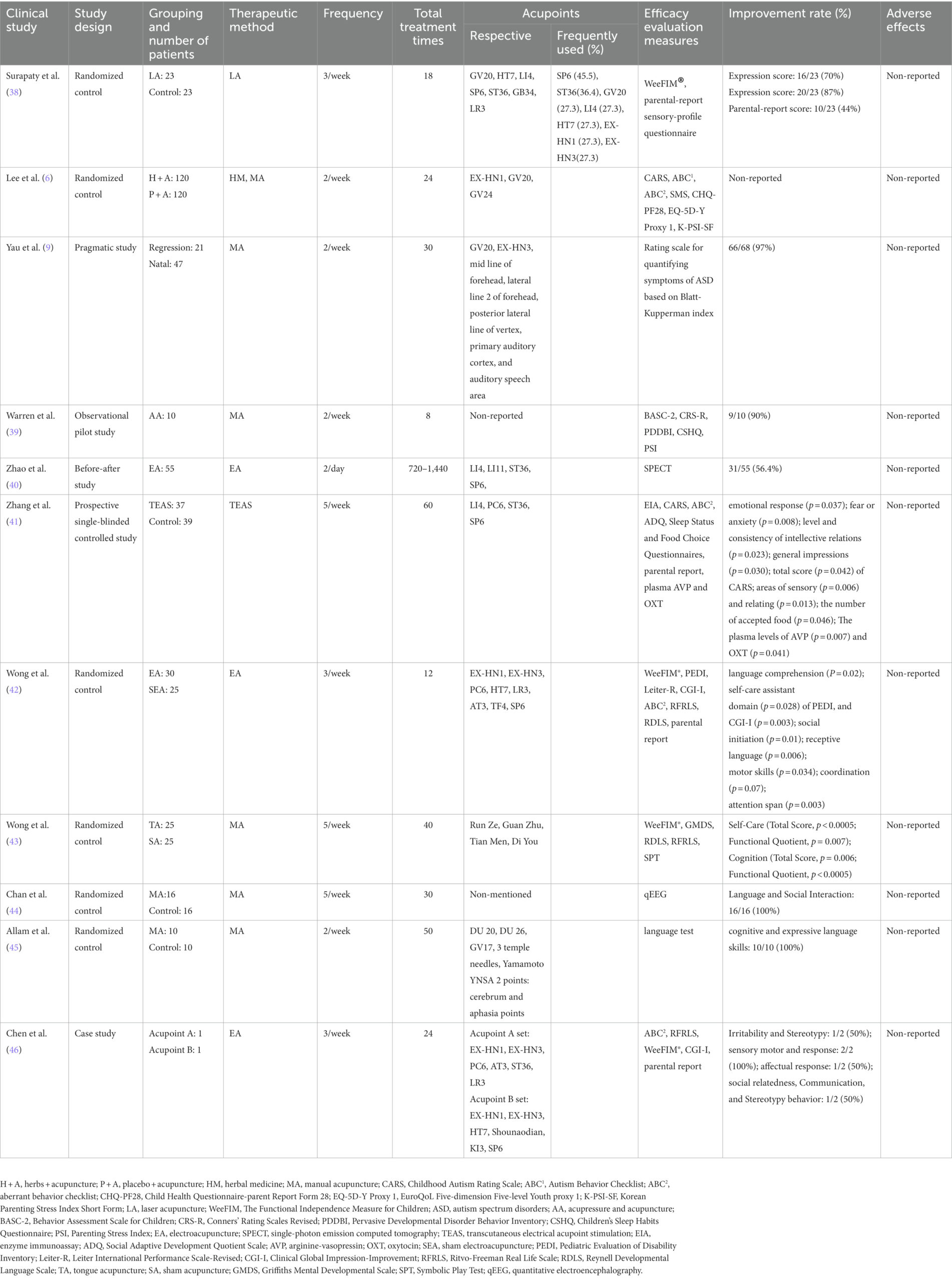
Consider the case of a child with autism who experiences chronic gastrointestinal distress—a common comorbidity. In TCM, such discomfort may be attributed to stagnant *qi* or dampness in the spleen and stomach meridians. By targeting points like ST36 (Zusanli) or SP6 (Sanyinjiao), acupuncture may help alleviate digestive disturbances, thereby improving overall well-being and reducing behavioral triggers linked to discomfort. While empirical evidence remains limited, anecdotal reports from practitioners and families suggest that acupuncture can serve as a complementary tool in managing certain symptoms, particularly when integrated with other therapies.
The Neurological Underpinnings: Can Acupuncture Reshape the Autistic Brain?
The autistic brain is a marvel of neurodivergence, with structural and functional differences that contribute to unique strengths and challenges. Research into acupuncture’s effects on the brain offers a fascinating glimpse into its potential therapeutic role. Studies using functional MRI (fMRI) have shown that acupuncture can influence activity in regions such as the amygdala, hippocampus, and prefrontal cortex—areas often implicated in emotional regulation and social cognition. For individuals with autism, where hyperactivity in the amygdala may contribute to anxiety or sensory overload, acupuncture’s calming effects on this region could be particularly beneficial.
Moreover, acupuncture has been linked to the release of endogenous opioids and the modulation of serotonin and dopamine levels—neurotransmitters critical for mood, focus, and sensory processing. In a 2018 study published in *Autism Research*, researchers observed that acupuncture combined with behavioral therapy led to improvements in social interaction and reduced repetitive behaviors in children with ASD. While the sample size was small, the findings hint at acupuncture’s capacity to enhance neuroplasticity, potentially facilitating greater adaptability in neural circuits that govern behavior and cognition.

Sensory Integration and the Acupuncture Experience
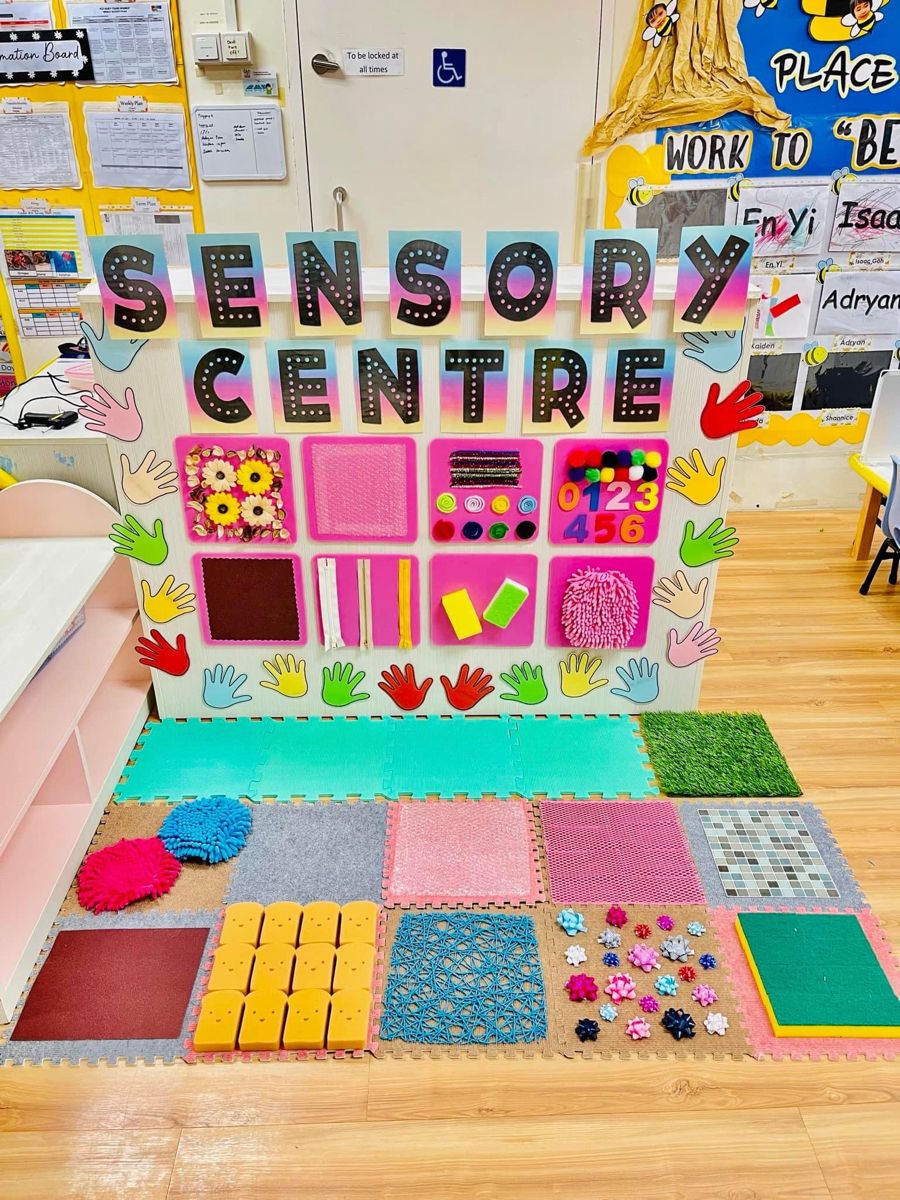
Sensory processing differences are a hallmark of autism, with many individuals experiencing either hypersensitivity or hyposensitivity to stimuli. Acupuncture, with its reliance on fine needles and subtle tactile sensations, presents a controlled sensory input that may help recalibrate the nervous system. For some, the ritual of acupuncture—its quiet ambiance, the gentle insertion of needles, and the subsequent relaxation—can serve as a grounding experience, counteracting the chaos of sensory overload.
However, the experience is not universally positive. The tactile aversion to needles, the anticipation of pain, or the unfamiliarity of the clinical setting can trigger distress in some individuals with autism. Practitioners skilled in working with neurodivergent clients often employ adaptations, such as using fewer needles, incorporating acupressure, or integrating play therapy to ease the process. The key lies in tailoring the approach to the individual’s sensory profile, transforming acupuncture from a daunting procedure into a tolerable—or even enjoyable—experience.
The Role of Acupuncture in Complementary Care
It is essential to clarify that acupuncture is not a panacea for autism. Rather, it functions most effectively as a complementary modality within a broader therapeutic framework. Conventional interventions, such as speech therapy, occupational therapy, and Applied Behavior Analysis (ABA), remain foundational in supporting individuals with ASD. Acupuncture’s role may lie in addressing secondary symptoms—such as sleep disturbances, anxiety, or digestive issues—that exacerbate the core challenges of autism.
For instance, many parents report that acupuncture helps their children achieve deeper, more restorative sleep—a critical factor in cognitive function and emotional regulation. Poor sleep is a pervasive issue in autism, often linked to dysregulation in melatonin production or heightened arousal states. By promoting relaxation and reducing cortisol levels, acupuncture may indirectly improve daytime functioning, making it easier for individuals with ASD to engage in therapeutic activities.
Evidence and Skepticism: Navigating the Research Landscape
The scientific community remains cautious about acupuncture’s efficacy for autism, citing a lack of large-scale, randomized controlled trials (RCTs) as a significant limitation. While preliminary studies and case reports offer promising anecdotes, the absence of robust clinical data makes it difficult to draw definitive conclusions. Critics argue that the placebo effect or the natural progression of developmental changes may account for perceived improvements, rather than acupuncture itself.
Yet, the growing interest in integrative medicine suggests that acupuncture’s potential merits further exploration. Researchers are increasingly investigating the mechanisms behind acupuncture’s effects, including its impact on the gut-brain axis—a critical consideration for individuals with autism, many of whom experience gastrointestinal comorbidities. By bridging the gap between ancient wisdom and modern science, acupuncture may carve out a niche in the holistic care of neurodivergent individuals.

Practical Considerations: What Families Should Know
For families considering acupuncture as part of their child’s care plan, several practical factors warrant attention. First, the selection of a practitioner is paramount. Not all acupuncturists are experienced in working with neurodivergent clients, so seeking out someone with a background in pediatric or autism-specific care is advisable. A thorough consultation should precede treatment, allowing the practitioner to assess the individual’s sensory preferences, medical history, and specific goals.
Second, the frequency and duration of treatment must be tailored to the individual. Some may respond to weekly sessions, while others may require more sporadic visits. Consistency is key, as the cumulative effects of acupuncture often unfold gradually. Parents should also maintain open communication with their child’s primary healthcare team to ensure that acupuncture complements, rather than conflicts with, existing therapies.
Finally, managing expectations is crucial. Acupuncture is not a quick fix, nor is it a substitute for evidence-based interventions. Its benefits, when they occur, are often subtle and cumulative, manifesting as improved mood, reduced anxiety, or better sleep over time. For some families, these incremental changes can be life-changing, offering a sense of agency in the often-overwhelming journey of supporting a neurodivergent loved one.
Autism and acupuncture may seem like an unlikely pairing—one rooted in ancient tradition, the other in modern neurodiversity. Yet, their intersection speaks to a broader truth: the pursuit of well-being is not bound by convention. Whether through the precise placement of needles or the quiet hum of a treatment room, acupuncture offers a pathway to balance, one that may resonate deeply with those navigating the complexities of autism. As research evolves and understanding deepens, the dialogue between tradition and neurodiversity will continue to unfold, revealing new possibilities for healing and connection.