In the ceaseless symphony of modern life, where the cacophony of daily demands often drowns out the whispers of our inner selves, there exists a sanctuary—one that does not require a passport or a hefty price tag, but merely an open mind and a willingness to listen. This sanctuary is yoga, a practice as ancient as the civilizations that first cultivated it, yet as relevant today as the smartphones in our pockets. For individuals navigating the intricate landscape of autism, yoga is not just an exercise; it is a bridge—a way to traverse the sometimes tumultuous terrain between the external world and the internal cosmos of the mind and body. But how does this millennia-old discipline translate into a tool for soothing the unique challenges faced by those with autism? And what if the very poses that promise calmness become a source of discomfort or frustration? Let’s unravel the tapestry of autism and yoga therapy, exploring how movement, breath, and mindfulness can weave a tapestry of tranquility, while also acknowledging the hurdles that may arise along the way.
Autism Spectrum Disorder (ASD) is a neurodevelopmental condition characterized by a mosaic of strengths and challenges, including difficulties with social interaction, communication, and sensory processing. The sensory world, for many with autism, can feel like a storm of overwhelming stimuli—bright lights, loud noises, or even the texture of clothing against skin can trigger a cascade of stress responses. Yoga, with its emphasis on breathwork (pranayama), gentle movement, and present-moment awareness, offers a counterbalance to this sensory onslaught. It is not a panacea, nor is it a one-size-fits-all solution, but for many, it serves as a lifeline—a way to recalibrate the nervous system and cultivate a sense of agency over one’s body and mind.
The Alchemy of Breath: Pranayama as a Portal to Calm
Imagine standing at the edge of a vast, turbulent ocean, the waves crashing against the shore with relentless force. Now, picture yourself as the ocean itself—deep, vast, and unshaken by the surface disturbances. This metaphor encapsulates the power of pranayama, the yogic practice of breath control, which can transform the way individuals with autism experience their internal and external worlds. For those whose nervous systems are wired to react intensely to stimuli, the breath becomes a tool to modulate the storm.
One particularly effective technique is Nadi Shodhana, or alternate nostril breathing. This practice involves gently closing one nostril at a time while inhaling and exhaling, creating a rhythmic flow that balances the left and right hemispheres of the brain. For someone with autism, whose brain may process information in a way that feels fragmented or overwhelming, this synchronization can foster a sense of wholeness. The slow, deliberate nature of the breath also encourages a pause—a moment to step back from the precipice of sensory overload and choose a response rather than a reaction.
Yet, the challenge lies in the execution. For some, the sensation of fingers brushing against the nostrils or the concentration required to maintain the rhythm may feel like an additional stressor. The key is adaptation. Using props like a straw or a rolled-up towel to guide the breath can make the practice more accessible. The goal is not perfection but progress—a gradual shift from reactivity to responsiveness.
Asanas for Autism: Poses That Nurture, Not Numb
Yoga is not merely about twisting the body into pretzel-like shapes; it is about finding stability in stillness and fluidity in motion. For individuals with autism, certain asanas (poses) can serve as anchors, grounding them in the present moment while gently stretching the boundaries of their comfort zones. The trick is to approach these poses with curiosity rather than rigidity, allowing the body to lead the way.
Child’s Pose (Balasana) is a humble yet profound posture that cradles the body in a fetal-like embrace. For someone with autism, who may feel the weight of the world pressing down on their shoulders, this pose offers a respite—a way to retreat inward and reconnect with the breath. The forward fold compresses the abdomen, which can stimulate the vagus nerve, a key player in the parasympathetic nervous system responsible for the “rest and digest” response. To enhance comfort, props like bolsters or pillows can be used to support the torso, reducing any strain on the neck or shoulders.
Tree Pose (Vrksasana) is another pose that, at first glance, might seem daunting. Balancing on one leg requires a delicate interplay of strength, focus, and proprioception—the body’s ability to sense its position in space. For individuals with autism, who may struggle with coordination or spatial awareness, this pose can feel like a high-wire act without a safety net. Yet, when approached with patience, Tree Pose becomes a metaphor for resilience. The wobbling is not a failure but a testament to the body’s constant recalibration. To make it more accessible, practitioners can use a wall or a chair for support, gradually building confidence in their ability to stand tall.
Legs-Up-the-Wall Pose (Viparita Karani) is a restorative gem that invites the body to surrender to gravity. For those whose minds are often in overdrive, this pose offers a rare opportunity to lie still and let the blood flow reverse its course, soothing the nervous system. The inversion gently stimulates the baroreceptors in the neck, signaling the brain to slow the heart rate and promote relaxation. For individuals with autism, who may experience high levels of muscle tension or anxiety, this pose can feel like a warm blanket on a cold day—comforting, enveloping, and deeply nourishing.
Of course, the challenge is not just in the execution but in the acceptance. Some may resist the stillness, finding it harder to sit with their thoughts than to move through them. Others may struggle with the tactile sensations of the mat or the temperature of the room. The solution lies in customization. Yoga is not a rigid script but a living, breathing practice that can be tailored to individual needs. The goal is not to force the body into a pose but to use the pose as a scaffold for self-discovery.
The Sensory Tapestry: Navigating Overload and Understimulation
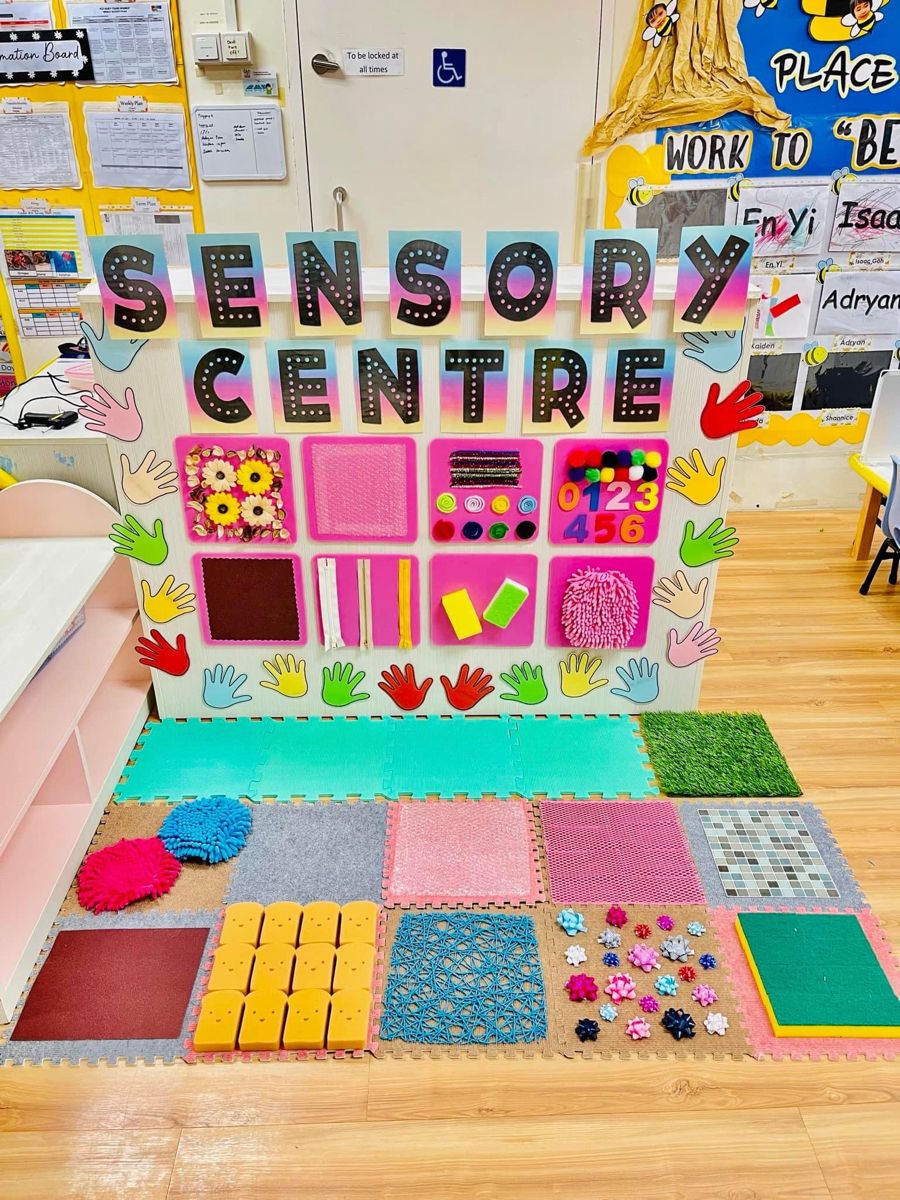
Sensory processing differences are a hallmark of autism, and they can turn a simple yoga session into a minefield of potential triggers. The scratchy texture of a yoga mat, the hum of fluorescent lights, or the scent of essential oils can all become overwhelming. Conversely, some individuals may seek out sensory input, craving deep pressure or rhythmic movement to feel grounded. Yoga, when approached with sensory awareness, can be both a sanctuary and a tool for recalibration.
For those who are hypersensitive to touch, using a blanket or towel to create a barrier between the body and the mat can make all the difference. Weighted blankets, draped over the shoulders or legs, can provide the deep pressure stimulation that many with autism find calming. On the other hand, individuals who are hyposensitive may benefit from poses that engage the muscles more dynamically, such as Warrior Poses or Downward-Facing Dog, which offer a full-body stretch and a rush of proprioceptive feedback.
The environment itself can be adapted to suit individual needs. Soft lighting, noise-canceling headphones, or even practicing in a quiet corner of the home can create a sensory-friendly space. The key is to treat the yoga mat as a microcosm of the larger world—a place where experimentation and adaptation are not just allowed but encouraged. The challenge, then, is to strike a balance between pushing boundaries and honoring limits. It is a dance between growth and comfort, and like any dance, it requires patience and practice.
Mindfulness in Motion: The Art of Being Present
Yoga is often described as a moving meditation, a practice that marries physicality with mindfulness. For individuals with autism, who may experience the world in a way that feels fragmented or overwhelming, mindfulness can be a lifeline—a way to tether the mind to the present moment and prevent it from spiraling into anxiety or distress. The beauty of yoga is that it offers a tangible, embodied way to cultivate this awareness, making abstract concepts like “being present” feel concrete and achievable.
One way to integrate mindfulness into a yoga practice is through the use of mantras or affirmations. Repeating a phrase like “I am calm” or “I am safe” on the inhale and “I am strong” or “I am enough” on the exhale can create a rhythmic anchor for the mind. For those who struggle with verbal communication, a visual cue—a picture of a calm ocean or a serene forest—can serve as a focal point during the practice. The goal is not to empty the mind but to observe it without judgment, to watch the thoughts and sensations arise and pass like clouds in the sky.
The challenge, of course, is that mindfulness is not a switch that can be flipped on at will. For some, the mind may wander endlessly, or the body may resist the stillness. The practice, then, becomes one of gentle persistence. It is about returning to the breath, again and again, not with frustration but with curiosity. What does this moment feel like? What does it sound like? What does it smell like? The answers may change from day to day, but the act of asking the question is what matters.

Community and Connection: Yoga as a Shared Journey
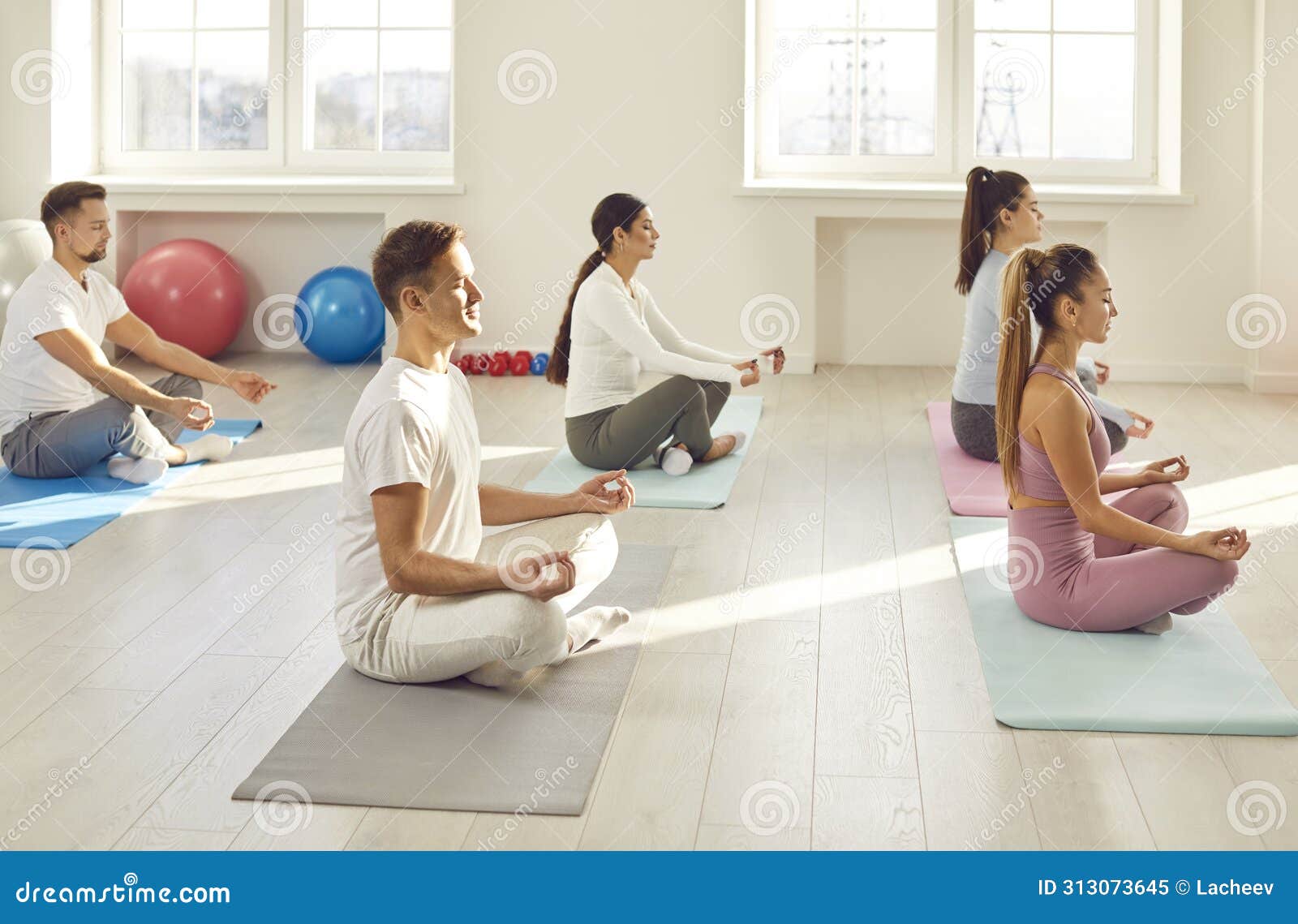
While yoga is often practiced in solitude, it is also a practice that can foster connection—a way to bridge the gap between the self and others. For individuals with autism, who may experience social isolation or difficulty interpreting social cues, yoga can offer a non-verbal language of movement and breath. Group classes, adapted for sensory needs, can provide a sense of belonging and shared purpose. The challenge, however, is to create spaces that are inclusive and accommodating, where no one feels pressured to conform to a standard of perfection.
Inclusive yoga classes might incorporate visual schedules, clear instructions, and a predictable structure to help participants feel more at ease. Props like bolsters, blocks, and straps can be used to modify poses, ensuring that everyone can participate at their own pace. The teacher’s role is not to impose a rigid routine but to hold space for each individual’s unique journey. The goal is not to “fix” anything but to offer a toolkit for navigating the complexities of life with greater ease and resilience.
For parents, caregivers, and siblings of individuals with autism, yoga can also be a way to connect on a deeper level. Partner poses, such as Double Tree Pose or Seated Forward Fold with a Back Rub, can foster trust and communication without the pressure of words. The physical touch, when consensual and respectful, can be a powerful way to convey support and affection.
The Ripple Effect: Yoga Beyond the Mat
The benefits of yoga therapy for individuals with autism extend far beyond the confines of the practice itself. The skills cultivated on the mat—breath awareness, body awareness, and mindfulness—can translate into everyday life. A child who learns to pause and take a deep breath before reacting to a sensory trigger may find that this pause becomes a habit, a way to navigate the world with greater calm and clarity. An adult who practices yoga may discover that the self-compassion cultivated in stillness spills over into their interactions with others, fostering deeper connections and a greater sense of self-worth.
Yet, the journey is not linear. There will be days when the poses feel stiff, the breath feels shallow, and the mind feels cluttered. There will be moments of frustration, of doubt, of wondering if the practice is making any difference at all. The key is to remember that yoga is not a destination but a path—a winding road that meanders through the valleys of struggle and the peaks of peace. It is about progress, not perfection.

In the grand tapestry of life, autism is but one thread—a vibrant, complex, and often misunderstood thread. Yoga, with its ancient wisdom and modern adaptability, offers a way to weave this thread into a larger, more harmonious pattern. It is not a cure, nor is it a magic bullet. It is, however, a tool—a way to cultivate calm in the chaos, to find stillness in the storm, and to embrace the journey with open arms and an open heart. The path may not always be smooth, but it is a path worth walking, one breath, one pose, one moment at a time.