The first day of preschool is a milestone for any child, but for a child on the autism spectrum, it can feel like stepping into a kaleidoscope of sensory overload and social ambiguity. The fluorescent lights hum like a swarm of bees, the scent of disinfectant lingers like a ghost, and the echoing chatter of twenty unfamiliar voices blends into a cacophony that defies comprehension. For neurotypical children, this transition may be met with curiosity or trepidation, but for a preschooler with autism, the experience is often a profound collision between expectation and reality. The challenge isn’t merely about separation anxiety or adapting to a new routine—it’s about navigating a world that speaks in codes they haven’t fully deciphered. Yet, within this complexity lies an opportunity: the chance to lay the foundation for growth, resilience, and connection in a structured, nurturing environment designed to meet their unique needs.
Preschool serves as more than a place of early education; it is a microcosm where the seeds of social interaction, emotional regulation, and cognitive development are sown. For children with autism, this environment can either amplify their challenges or become a sanctuary where progress is not just possible but celebrated. The key lies in preparation—both for the child and the adults who guide them. Understanding the nuances of autism, recognizing individual sensory thresholds, and fostering a sense of predictability can transform the first day from an ordeal into an adventure. This journey begins long before the child steps through the classroom door, rooted in empathy, strategy, and a willingness to see the world through their eyes.
The Sensory Landscape: Decoding the Unseen Barriers
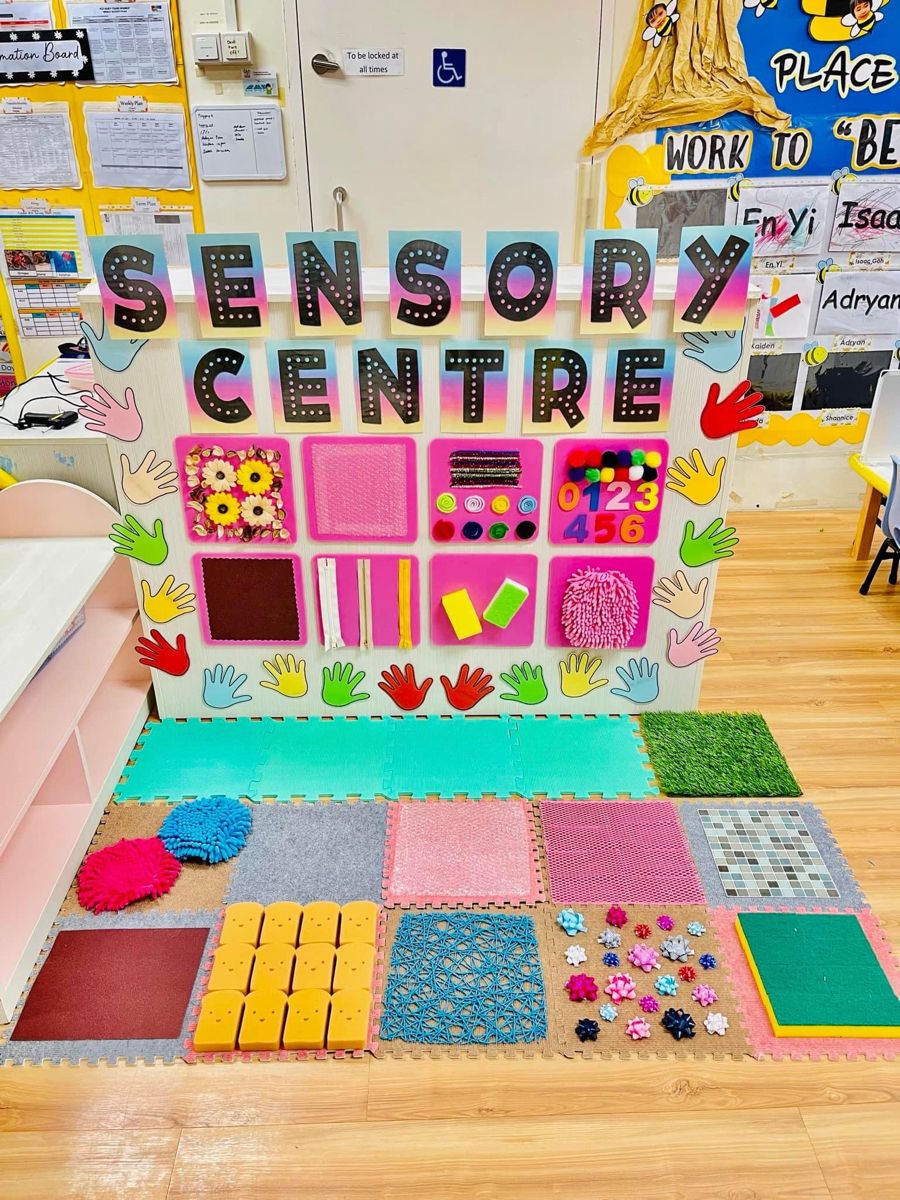
Autism often manifests in a heightened sensitivity to sensory input, turning ordinary stimuli into overwhelming experiences. The preschool classroom, with its bright colors, loud noises, and tactile surfaces, can feel like an assault on the senses. For a child with autism, the hum of the air conditioner might resemble the roar of a jet engine, the texture of a plastic toy might feel like sandpaper against their skin, and the fluorescent lighting might cast a flickering, disorienting glow. These reactions are not mere preferences—they are physiological responses rooted in differences in neural processing.
To ease this transition, parents and educators can take deliberate steps to modify the sensory environment. Soft lighting, noise-canceling headphones, or a quiet corner with sensory-friendly materials can provide a retreat when the stimulation becomes too intense. Introducing the child to the classroom before the first day allows them to explore at their own pace, familiarizing themselves with the space without the pressure of social expectations. Small gestures, such as labeling objects with pictures or using visual schedules, can demystify the environment, replacing uncertainty with a sense of control. The goal is not to eliminate all sensory input but to create a balance where the child feels safe and in command of their surroundings.
Routine as a Compass: The Power of Predictability
Children with autism often thrive in structured environments where expectations are clear and transitions are gradual. The unpredictability of a new setting can trigger anxiety, making it difficult to focus on learning or social interactions. A predictable routine acts as a compass, guiding the child through the day with a sense of security. Visual schedules, timers, and social stories can serve as tangible tools to map out the day, breaking it into manageable segments and reducing the fear of the unknown.
For example, a visual schedule might depict a sequence of activities—arrival, circle time, snack, playtime—using pictures or icons that the child can reference independently. This not only helps them understand what to expect but also empowers them to anticipate and prepare for transitions. When deviations from the routine are necessary, advance warnings and clear explanations can mitigate distress. The consistency of a well-structured day fosters a sense of mastery, allowing the child to engage more fully in learning and social experiences without the constant undercurrent of uncertainty.

Social Navigation: Bridging the Divide Between Worlds
Social interactions can be one of the most perplexing aspects of preschool for a child with autism. The unspoken rules of play, the nuances of facial expressions, and the give-and-take of conversation often feel like a foreign language. While neurotypical children might intuitively grasp the concept of sharing or taking turns, a child with autism may require explicit instruction and guided practice to develop these skills. The challenge is not a lack of desire to connect but a difference in how social cues are processed and interpreted.
Peer modeling can be a powerful tool in this context. Pairing the child with a neurotypical peer who demonstrates appropriate social behaviors provides a natural opportunity for observation and imitation. Structured play activities, such as turn-taking games or cooperative projects, can scaffold social interactions in a low-pressure setting. Educators can also use role-playing scenarios to teach specific skills, such as initiating a conversation or responding to a friend’s invitation to play. The goal is not to force conformity but to create a bridge between the child’s world and the social landscape of the classroom, fostering connections that feel authentic and rewarding.
Emotional Resilience: Nurturing the Inner Compass
Emotional regulation is a cornerstone of a successful preschool experience, yet it is often one of the most challenging areas for children with autism. The inability to express frustration, fear, or overwhelm in conventional ways can lead to meltdowns or shutdowns, which are frequently misunderstood as behavioral issues rather than cries for help. Building emotional resilience requires a multifaceted approach that includes teaching coping strategies, validating feelings, and creating a safe space for expression.
Simple techniques, such as deep-pressure input (e.g., weighted blankets or gentle squeezes), can help ground the child during moments of distress. Teaching the use of visual supports, such as emotion cards or feeling thermometers, provides a concrete way to identify and communicate emotions. Encouraging the child to use alternative communication methods, such as sign language or picture exchange systems, can reduce frustration and foster a sense of agency. Most importantly, adults must model patience and empathy, acknowledging the child’s emotions without judgment and guiding them toward constructive outlets for their feelings.
The Role of Collaboration: A Unified Approach to Support
Preparing a child with autism for preschool is not a solitary endeavor—it requires a collaborative effort between parents, educators, and therapists. Open communication and shared strategies ensure that the child receives consistent support across all settings. Regular meetings to discuss progress, challenges, and adjustments to the child’s plan can foster a cohesive approach that reinforces learning and development.
Parents play a crucial role in advocating for their child’s needs, sharing insights about their child’s preferences, triggers, and coping mechanisms. Educators, in turn, can provide valuable observations about the child’s interactions and progress in the classroom. Therapists, such as occupational or speech therapists, can offer specialized interventions tailored to the child’s unique profile. When all stakeholders work in harmony, the child benefits from a seamless support system that addresses their needs holistically.
Celebrating Small Victories: The Art of Progress
The first day of preschool is not merely a single event but a continuum of experiences, each offering opportunities for growth and discovery. Celebrating small victories—whether it’s a child entering the classroom without distress, engaging in a brief interaction with a peer, or successfully completing a task—reinforces their sense of accomplishment and motivates further progress. These milestones may seem insignificant to an outside observer, but to the child and their family, they represent tangible steps toward independence and confidence.
It is essential to approach the preschool journey with a mindset of patience and celebration. Progress is not linear, and setbacks are a natural part of the process. By focusing on the child’s strengths and fostering an environment that nurtures their individuality, parents and educators can help transform the first day from a daunting challenge into a meaningful chapter in the child’s development.
The first day of preschool is more than a rite of passage—it is a testament to the child’s resilience and the adults’ commitment to their growth. For a child with autism, this day can be a crucible of adaptation, where each challenge overcome becomes a building block for future success. With empathy, preparation, and collaboration, the preschool experience can become a sanctuary of learning, connection, and possibility, paving the way for a lifetime of discovery and achievement.