Navigating the transition into kindergarten for an autistic child is akin to charting a course through uncharted waters—full of anticipation, uncertainty, and the promise of new beginnings. For parents, this milestone is both exhilarating and daunting, as they strive to ensure their child’s comfort, confidence, and success in an environment that may feel overwhelming at first. Kindergarten represents more than just the start of formal education; it is a pivotal chapter where social dynamics, sensory experiences, and academic expectations converge. Understanding the nuances of this transition can empower families to create a supportive framework that nurtures their child’s unique strengths while addressing potential challenges. From preparing emotionally to fostering independence, each step in this journey requires thoughtful consideration and proactive planning.
Autistic children often thrive in structured, predictable environments, yet the unpredictability of a new school setting can pose significant hurdles. Sensory sensitivities—whether to noise, light, or tactile stimuli—can amplify feelings of discomfort, while social interactions may feel daunting if the child struggles with communication or interpreting social cues. However, with the right strategies, kindergarten can become a space where growth flourishes, and milestones are celebrated. This guide explores the multifaceted aspects of preparing for this transition, offering insights into emotional readiness, sensory accommodations, communication techniques, and collaborative approaches with educators. By embracing a holistic perspective, families can transform this pivotal moment into a foundation for lifelong learning and resilience.

The Emotional Landscape: Preparing Your Child for Change
Emotional preparation is the cornerstone of a smooth transition into kindergarten. For autistic children, change can evoke a spectrum of emotions—excitement, anxiety, confusion, or even resistance. The key lies in demystifying the unknown and fostering a sense of familiarity. Begin by introducing the concept of school through storytelling, social stories, or role-playing scenarios that simulate classroom interactions. Use visual aids, such as picture schedules or calendars, to map out the routine, helping your child visualize the sequence of events from arrival to dismissal. This not only reduces uncertainty but also builds a mental framework they can rely on.
Another effective strategy is to gradually acclimate your child to the school environment. Arrange visits to the classroom before the first day, allowing them to explore the space, meet the teacher, and interact with peers in a low-pressure setting. These pre-visits can ease the shock of the unfamiliar, turning an intimidating new world into a place of curiosity rather than fear. Additionally, discuss the transition with honesty and reassurance. Acknowledge their feelings, whether it’s apprehension or eagerness, and validate their emotions without dismissing them. Phrases like, “It’s okay to feel nervous; many kids do,” can normalize their experience and reinforce that their feelings are understood.
Routine-building is equally vital. Establish a consistent morning and evening schedule that mirrors the school day, from waking up at a set time to practicing self-care tasks like dressing or packing a backpack. Predictability breeds confidence, and a structured routine can serve as an anchor during the whirlwind of change. Encourage independence in small, manageable steps—whether it’s choosing their outfit or tidying up toys—so they feel a sense of agency in their daily life. By nurturing emotional resilience and familiarity, you lay the groundwork for a kindergarten experience that feels safe, engaging, and empowering.
Sensory Considerations: Crafting a Comfortable Environment
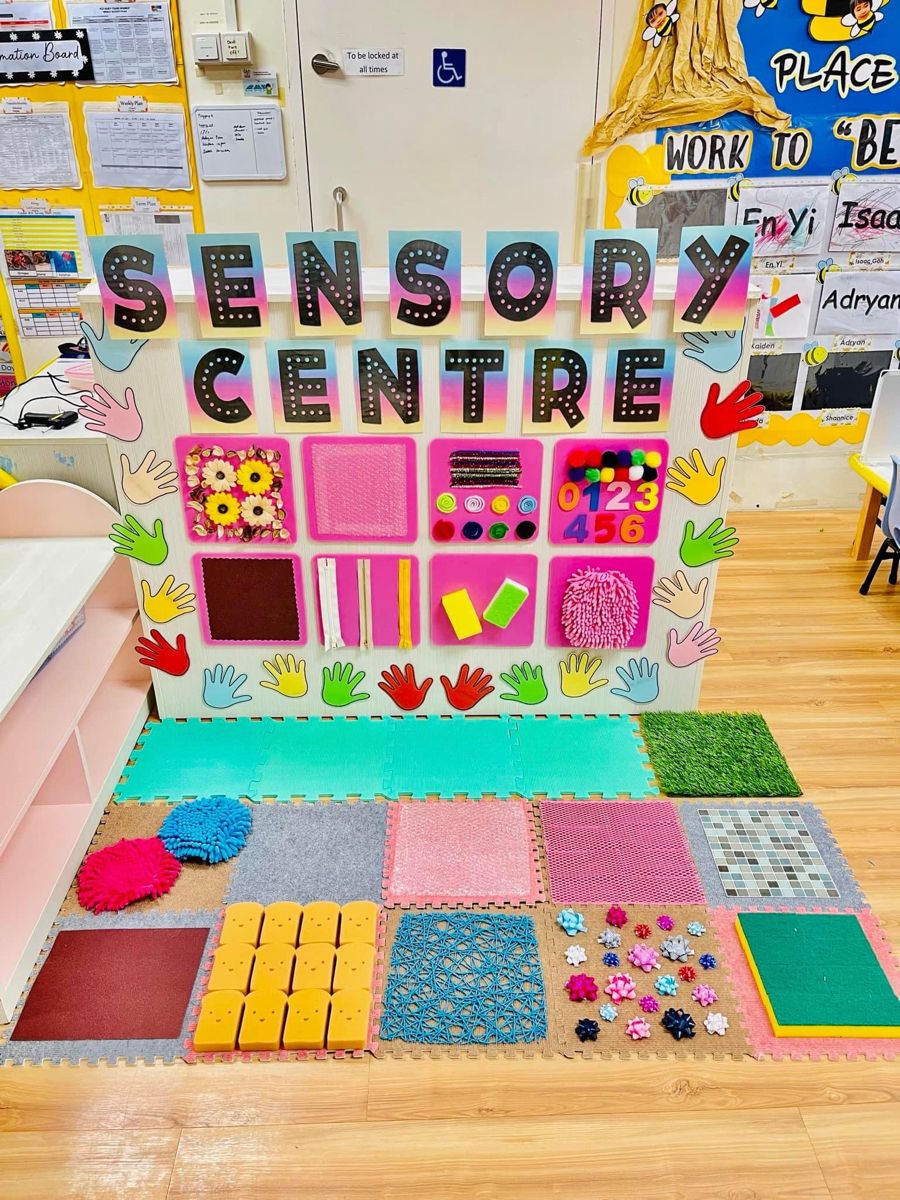
Sensory sensitivities can significantly impact an autistic child’s experience in kindergarten. A bustling classroom with fluorescent lighting, echoing voices, and the hum of activity may feel overwhelming, leading to distress or withdrawal. To mitigate these challenges, collaborate with educators to identify and accommodate sensory needs. Noise-canceling headphones, for instance, can provide a respite from auditory overload, while fidget tools or weighted lap pads may offer tactile comfort during seated activities. If possible, arrange for a quiet corner or sensory break area where your child can retreat when overwhelmed, allowing them to regroup before re-engaging with the class.
Visual clutter can also be a source of distraction or anxiety. Opt for minimalistic classroom decor, focusing on clear, uncluttered spaces that reduce visual noise. If your child is sensitive to bright lights, request that the teacher dim overhead lighting or use natural light whenever feasible. Similarly, be mindful of textures—from the feel of a chair to the fabric of a uniform—and choose clothing that minimizes discomfort. Sensory-friendly backpacks with adjustable straps or tagless shirts can make a world of difference in ensuring your child feels physically at ease throughout the day.
Advocate for a sensory-friendly approach by sharing your child’s sensory profile with their teacher. Provide a detailed list of their sensitivities, whether it’s a dislike for certain smells, a preference for soft textures, or a need for movement breaks. The more educators understand your child’s sensory world, the better equipped they’ll be to create an environment that supports their unique needs. Remember, sensory accommodations are not about coddling but about removing barriers to learning and participation. By prioritizing comfort, you enable your child to focus their energy on exploration and growth rather than coping with discomfort.
Communication Strategies: Bridging the Gap with Educators
Effective communication between parents and educators is the linchpin of a successful kindergarten transition. Start by establishing an open, collaborative relationship with your child’s teacher, sharing insights into their strengths, challenges, and communication preferences. If your child is nonverbal or uses alternative communication methods, such as sign language or a communication device, ensure the teacher is familiar with these tools and knows how to incorporate them into daily interactions. Provide written or visual guides that outline your child’s communication style, including any idiosyncratic phrases or gestures they use to express needs or emotions.
Regular check-ins with the teacher can help monitor progress and address any emerging issues promptly. Schedule brief weekly meetings or send concise emails to share observations from home and school, celebrating successes and troubleshooting challenges together. If your child struggles with transitions between activities, for example, the teacher might implement a visual timer or a countdown to signal upcoming changes. Conversely, if your child excels in certain areas, such as art or music, the teacher can build on these strengths to foster engagement and confidence. Transparency and teamwork ensure that both home and school are aligned in their approach, creating a cohesive support system for your child.
Encourage the teacher to use clear, concise language when giving instructions, avoiding vague or open-ended requests. Autistic children often benefit from explicit, step-by-step guidance, so breaking tasks into smaller components can enhance comprehension and reduce frustration. Additionally, be proactive in discussing any behavioral concerns. If your child exhibits meltdowns or shutdowns, work with the teacher to identify triggers and develop proactive strategies, such as offering a quiet space or using social stories to prepare for challenging situations. By fostering a partnership rooted in mutual respect and shared goals, you create a foundation for your child’s academic and social success.
Social Navigation: Fostering Connections and Confidence
The social landscape of kindergarten can be both exhilarating and daunting for autistic children. While some may naturally gravitate toward peers, others might struggle to initiate interactions or interpret social cues. To ease this process, start by teaching foundational social skills in a structured, supportive environment. Role-playing games, where your child practices greetings, sharing, or taking turns, can build confidence in real-world scenarios. Use visual aids, such as emotion cards or social scripts, to help them recognize and respond to the feelings and actions of others. These tools demystify social interactions, making them feel more manageable and less intimidating.
Encourage peer engagement by identifying classmates who share your child’s interests or temperaments. Arrange playdates or group activities outside of school to foster friendships in a low-pressure setting. These interactions allow your child to practice social skills in a familiar context, where they feel safe and supported. Additionally, collaborate with the teacher to create opportunities for structured socialization within the classroom, such as partner activities or group projects that align with your child’s strengths. Celebrate small social victories, whether it’s a shared smile or a brief conversation, to reinforce positive experiences and build momentum.
It’s equally important to teach your child that it’s okay to set boundaries. Role-play scenarios where they can practice saying “no” or walking away from uncomfortable situations, empowering them to advocate for their needs. Reinforce the idea that their feelings and preferences matter, and that they have the right to express them. By nurturing self-advocacy skills, you equip your child with the tools to navigate social challenges with resilience and confidence. Remember, social growth is a journey, not a race—progress may be gradual, but every small step forward is a cause for celebration.
Academic Readiness: Balancing Expectations and Individuality
Academic readiness in kindergarten extends beyond letters and numbers; it encompasses a child’s ability to engage with learning in a way that aligns with their unique strengths and interests. For autistic children, traditional teaching methods may not always resonate, so it’s essential to advocate for an individualized approach. Share your child’s learning style with their teacher, highlighting whether they thrive with visual aids, hands-on activities, or auditory instruction. If your child has specific interests, such as dinosaurs or music, incorporate these into lessons to spark their curiosity and motivation. Personalized learning not only enhances comprehension but also fosters a love for discovery.
Break down academic tasks into manageable chunks, using visual schedules or step-by-step guides to scaffold their learning. For example, if your child is working on writing their name, start with tracing letters before progressing to independent writing. Celebrate incremental progress, no matter how small, to build their confidence and perseverance. Additionally, be mindful of the pace of instruction. Some autistic children process information more slowly, so allowing extra time for tasks can prevent frustration and promote a positive learning experience. Collaborate with the teacher to set realistic, achievable goals that align with your child’s developmental stage and abilities.
It’s also important to address any potential learning differences or co-occurring conditions, such as ADHD or dyslexia, that may impact your child’s academic journey. Work with the school’s support team to implement accommodations, such as extended time on tests or the use of assistive technology, to level the playing field. By focusing on strengths while addressing challenges, you create an environment where your child can thrive academically and feel proud of their accomplishments.
Building a Support Network: The Power of Community
The transition to kindergarten is not a journey to be undertaken alone. Building a support network of professionals, peers, and fellow parents can provide invaluable resources and reassurance. Connect with local autism support groups or online communities where you can share experiences, seek advice, and find solace in the shared challenges and triumphs of others. These networks offer a sense of belonging and a safe space to voice concerns or celebrate milestones. Additionally, consider enlisting the help of professionals, such as occupational therapists or behavioral specialists, who can provide targeted strategies to support your child’s development.
Educators play a pivotal role in this network, acting as allies in your child’s educational journey. Foster open lines of communication with their teacher, special education coordinator, or school psychologist, ensuring that everyone is aligned in their approach to supporting your child. Attend parent-teacher conferences and IEP meetings with a collaborative mindset, focusing on solutions rather than obstacles. By working as a team, you amplify the impact of the support your child receives, creating a cohesive and nurturing environment.
Don’t underestimate the power of community within the classroom as well. Encourage your child’s classmates to embrace neurodiversity by fostering a culture of kindness and understanding. Simple gestures, such as pairing your child with a buddy for group activities or inviting classmates to participate in sensory-friendly events, can cultivate an inclusive atmosphere. When children learn to appreciate differences from a young age, they lay the foundation for a more compassionate and supportive society.
Remember, building a support network is not just about seeking help—it’s about creating a web of connections that uplift and empower your child. Whether it’s a therapist’s guidance, a parent’s shared wisdom, or a teacher’s unwavering support, these relationships can make the kindergarten transition smoother and more enriching for everyone involved.
As the first day of kindergarten approaches, the blend of excitement and trepidation is palpable. Yet, with thoughtful preparation and a steadfast commitment to your child’s unique needs, this transition can unfold as a journey of growth, discovery, and joy. By prioritizing emotional readiness, sensory comfort, clear communication, social engagement, and academic support, you create a foundation that empowers your child to navigate this new chapter with confidence. Kindergarten is more than a milestone; it is the beginning of a lifelong adventure where every small step forward is a testament to their resilience and potential. With patience, advocacy, and an open heart, you can transform this pivotal moment into a celebration of possibility, setting the stage for a future filled with promise and achievement.