Autism and elementary school: a journey where every child’s mind is a constellation of untapped potential, shimmering with unique brilliance. In these formative years, the classroom becomes more than a space for learning—it transforms into a sanctuary where academic rigor meets social alchemy, crafting growth that is both profound and personal. For children on the autism spectrum, this journey is not a straight path but a winding river, meandering through challenges and discoveries, each bend revealing new vistas of understanding and connection. Supporting their growth requires not just patience, but a deep empathy for the intricate ways they perceive the world.
The elementary years are a crucible of development, where the seeds of lifelong learning are sown. For autistic children, this period is especially pivotal, as early interventions and tailored support can unlock pathways to academic achievement and social fluency that might otherwise remain obscured. Yet, the challenge lies not in the child’s capacity, but in the environment’s ability to adapt. Schools must become architects of inclusivity, designing spaces where sensory needs are honored, communication is scaffolded, and individual strengths are celebrated. The classroom, then, is not a rigid structure but a living ecosystem—one that breathes with the rhythms of each child’s needs.
The Classroom as a Canvas: Painting with Individuality
Imagine the elementary classroom as a vast, blank canvas, where each child is an artist with a distinct palette of colors and textures. For autistic students, the brushstrokes may differ—some may paint with bold, repetitive patterns, while others blend hues in subtle, unexpected ways. The role of educators is not to force uniformity but to provide the tools and space for these unique expressions to flourish. Visual schedules, for instance, act as a compass, guiding students through the day with clarity and predictability. These tools are not mere aids; they are bridges, connecting abstract concepts to tangible understanding.
Structured routines are the scaffolding that supports this artistic process. Autistic children often thrive in environments where expectations are clear and transitions are anticipated. A well-designed visual schedule, with icons or photographs, can transform anxiety into anticipation, turning the unknown into a familiar rhythm. Yet, flexibility remains key. While structure provides security, spontaneity can spark creativity. The challenge for educators is to strike a balance—offering enough predictability to ground the child while leaving room for the unexpected joys of discovery.
Sensory Landscapes: Navigating the World’s Overwhelming Symphony
The world is a symphony of sensations, but for autistic children, the volume is often turned up too high. Fluorescent lights hum like a swarm of bees, the hum of conversation becomes a cacophony, and the texture of a shirt’s fabric might feel like sandpaper against the skin. Sensory overload is not a minor inconvenience; it is a storm that can derail focus and emotional regulation. Schools must become sanctuaries of sensory harmony, where environments are curated to minimize distress and maximize comfort.
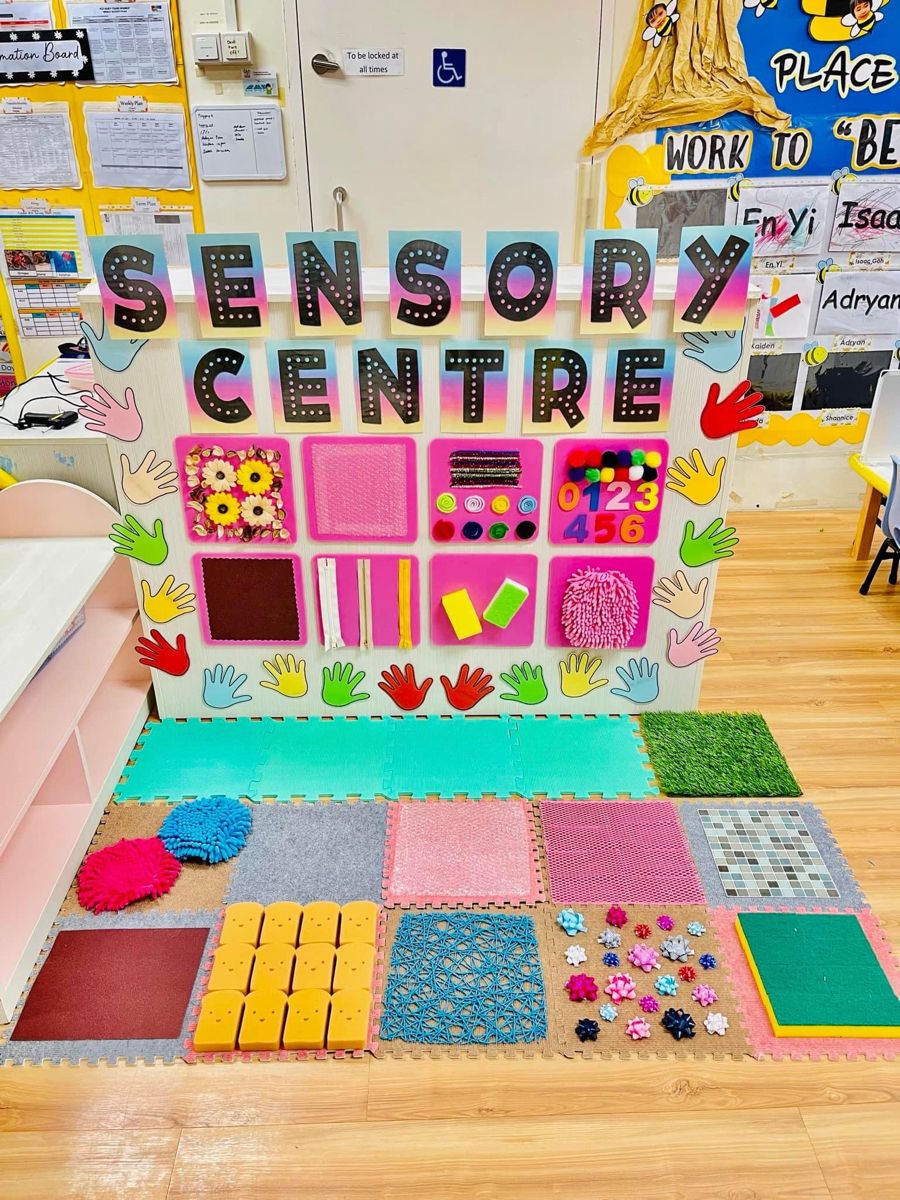
Consider the classroom’s physical layout. Soft lighting, noise-canceling headphones, and quiet corners can serve as havens for students who need respite. Weighted blankets, fidget tools, and textured objects offer tactile grounding, while aromatherapy diffusers can introduce calming scents. These adaptations are not luxuries but necessities—a recognition that learning cannot occur when the body is in a state of hyperarousal. Yet, sensory support extends beyond the physical. It is also about teaching children to advocate for their needs, empowering them to communicate when the symphony becomes too loud.
Social Alchemy: Forging Connections in a World of Nuance
Social interaction is a dance, one that autistic children often learn to navigate with a unique rhythm. For many, the unspoken rules of conversation—eye contact, turn-taking, tone modulation—can feel like a foreign language. Yet, beneath the surface, there is a richness to their social world. Autistic children may form deep, meaningful bonds in ways that defy conventional expectations. Their friendships might be built on shared interests rather than small talk, their conversations fueled by passion rather than social niceties.
Social stories are a powerful tool in this landscape, offering a script for navigating complex social scenarios. These stories, often illustrated and personalized, break down interactions into digestible steps, demystifying the nuances of behavior. For example, a story about joining a group activity might outline how to approach peers, initiate conversation, and recognize when to take a step back. Yet, social growth is not a one-way street. Neurotypical peers also benefit from education, learning to see the world through a different lens and fostering a culture of acceptance.
Academic Flourishing: Tailoring the Soil for Growth

Academic success for autistic students is not about conforming to a one-size-fits-all mold but about cultivating an educational experience that aligns with their strengths and interests. Some children may excel in visual learning, absorbing information through diagrams, charts, and videos. Others might thrive in hands-on, experiential environments, where abstract concepts are brought to life through tactile exploration. The key is to identify these preferences and adapt instruction accordingly.
Differentiated learning is not a concession but a celebration of diversity. It acknowledges that intelligence is not a monolith but a spectrum of abilities, each with its own brilliance. For instance, a child who struggles with traditional math worksheets might find clarity in a game-based approach, where numbers are transformed into challenges to conquer. Similarly, writing assignments can be tailored to individual interests, allowing a dinosaur enthusiast to craft a report on prehistoric creatures rather than a generic topic. These adaptations are not about lowering standards but about elevating the learning experience to meet the child where they are.
The Power of Peer Models: Learning Through Observation
Children are natural mimics, and peer models can be a potent force in fostering social and academic growth. When autistic students observe their neurotypical peers engaging in activities—whether it’s participating in a group discussion or demonstrating a task—they gain a roadmap for behavior. This modeling is not about imitation for its own sake but about providing a scaffold for understanding social and academic norms.
Group work, when structured thoughtfully, can become a laboratory for collaboration. Pairing autistic students with peers who are patient and inclusive can break down barriers, fostering connections that extend beyond the classroom. Yet, this approach requires intentionality. Educators must guide interactions, ensuring that they are equitable and respectful. The goal is not to assimilate autistic children into neurotypical norms but to create a culture where differences are not just tolerated but valued.
Empowering Voices: The Role of Self-Advocacy
The ultimate goal of support is not just to help autistic children navigate the world but to empower them to advocate for themselves. Self-advocacy is a skill that grows with practice, beginning with small steps—like asking for a break when overwhelmed or requesting a preferred seating arrangement. Schools can nurture this growth by creating environments where children feel safe to express their needs and preferences.
Visual supports, such as choice boards or communication cards, can give children the tools to articulate their desires. For those who are nonverbal, assistive technologies can bridge the gap, allowing them to participate in conversations and make decisions. Yet, self-advocacy extends beyond the classroom. It is about fostering a sense of agency, helping children understand that their voice matters and that their needs are valid.
The Ripple Effect: Building a Community of Inclusion
The impact of inclusive education extends far beyond the individual child. It ripples outward, shaping the attitudes and behaviors of an entire community. When neurotypical students grow up in classrooms that celebrate diversity, they develop a deeper understanding of human differences. They learn that kindness is not a one-size-fits-all concept but a tapestry woven from many threads.
Parents, too, play a crucial role in this ecosystem. Collaboration between educators and families ensures that support is consistent across environments. Workshops, parent-teacher conferences, and open communication channels can bridge the gap between home and school, creating a united front in the child’s development. The message is clear: inclusion is not a destination but a journey, one that requires commitment, creativity, and compassion from every stakeholder.
In the end, supporting autistic children in elementary school is about more than academic achievement or social integration—it is about nurturing a sense of belonging. It is about recognizing that every child, regardless of their neurology, has the right to learn, grow, and thrive in an environment that honors their uniqueness. The classroom, then, becomes not just a place of instruction but a sanctuary of possibility, where the seeds of potential are planted and cultivated with care. For autistic children, this journey is not about becoming someone else but about becoming the best version of themselves, in a world that finally learns to see them clearly.