Autism and housing for seniors is a conversation that has long been shrouded in silence, its contours blurred by outdated assumptions and a lack of tailored solutions. Yet, as the first wave of autistic adults approaches retirement age, the urgency of this issue has sharpened into focus. The question is no longer whether supportive living arrangements exist for autistic seniors, but how we can reimagine housing to honor their autonomy, dignity, and unique needs. This isn’t just about bricks and mortar—it’s about crafting environments where neurodivergent individuals can thrive, not merely survive, in their later years.
For decades, the narrative around autism and aging has fixated on the challenges: the scarcity of services, the paucity of age-appropriate programs, and the systemic neglect that leaves many autistic seniors adrift in a sea of unmet needs. But what if we shifted the lens? What if we viewed housing not as a static solution, but as a dynamic ecosystem—one that adapts to the evolving rhythms of an autistic senior’s life? The promise of such a shift is profound: it invites us to consider not just where autistic seniors will live, but how their living spaces can become extensions of their identities, their routines, and their aspirations.

The Silent Crisis: Why Autistic Seniors Are Falling Through the Cracks
Autism is often framed as a childhood condition, its storybook ending depicted as a young adult achieving independence. Yet the reality is far more nuanced. Autistic adults, particularly those without intellectual disabilities, frequently face a cliff of services as they age. The supports that once scaffolded their daily lives—special education, vocational training, social programs—dwindle or vanish entirely. For seniors, this transition is exacerbated by the compounded effects of aging: sensory sensitivities may intensify, mobility challenges can emerge, and the loss of familiar routines can trigger profound distress.
Compounding the issue is the lack of awareness among housing providers. Many senior living communities operate under the misconception that autism is synonymous with intellectual disability or behavioral challenges, leading to exclusionary policies or well-intentioned but misguided accommodations. The result? Autistic seniors are often funneled into settings ill-equipped to meet their needs—whether it’s a bustling assisted living facility that overwhelm their sensory systems or a group home where their communication differences go unrecognized. The irony is stark: a population that has spent a lifetime advocating for acceptance is now navigating a housing landscape that feels designed to exclude them.
Consider the case of an autistic senior who thrives in solitude but finds themselves in a shared living arrangement where constant social interaction is expected. Or the individual whose need for routine clashes with the unpredictable schedules of traditional care facilities. These aren’t hypothetical scenarios; they’re lived realities for countless autistic seniors, whose housing options are dictated by a system that hasn’t yet caught up to their needs.
Beyond the Group Home: Rethinking Supportive Living for Autistic Seniors
The traditional model of supportive housing—be it group homes, institutional care, or even some “inclusive” senior communities—often falls short for autistic seniors. These settings, while well-intentioned, frequently prioritize physical care over cognitive and sensory comfort. What’s needed instead is a paradigm shift: one that centers autonomy, customization, and neurodivergent-led design. The future of housing for autistic seniors lies not in one-size-fits-all solutions, but in a mosaic of options that reflect the diversity of the autistic experience.
One promising avenue is the rise of neurodiversity-affirming cohousing. Unlike traditional cohousing, which emphasizes communal living, neurodiversity-affirming models prioritize private or semi-private spaces where residents can retreat when overstimulated. These communities often incorporate sensory-friendly design elements—soft lighting, sound-dampening materials, and flexible layouts—to create environments that feel safe and predictable. Residents may share common areas for socializing, but the emphasis is on choice: when to engage, when to disengage, and how to navigate the space on their own terms.
Another innovative approach is supported independent living, where autistic seniors rent or own their own homes with access to tailored supports. These supports might include in-home aides trained in autism-specific communication strategies, remote check-ins from neurodiversity consultants, or technology-enabled solutions like smart home devices that adapt to sensory preferences. The key here is flexibility: the resident dictates the level of support, rather than the other way around. For some, this might mean a few hours of assistance per week; for others, it could involve 24/7 care—but always with the resident’s consent and comfort at the forefront.

Designing for the Senses: The Architecture of Autistic Comfort
Architecture, at its best, is a silent language—a way of communicating comfort, safety, and belonging without words. For autistic seniors, this language must be spoken fluently. Sensory-friendly design isn’t a luxury; it’s a necessity. Yet too many senior housing developments overlook the nuances of neurodivergent perception, defaulting to generic aesthetics that prioritize aesthetics over function.
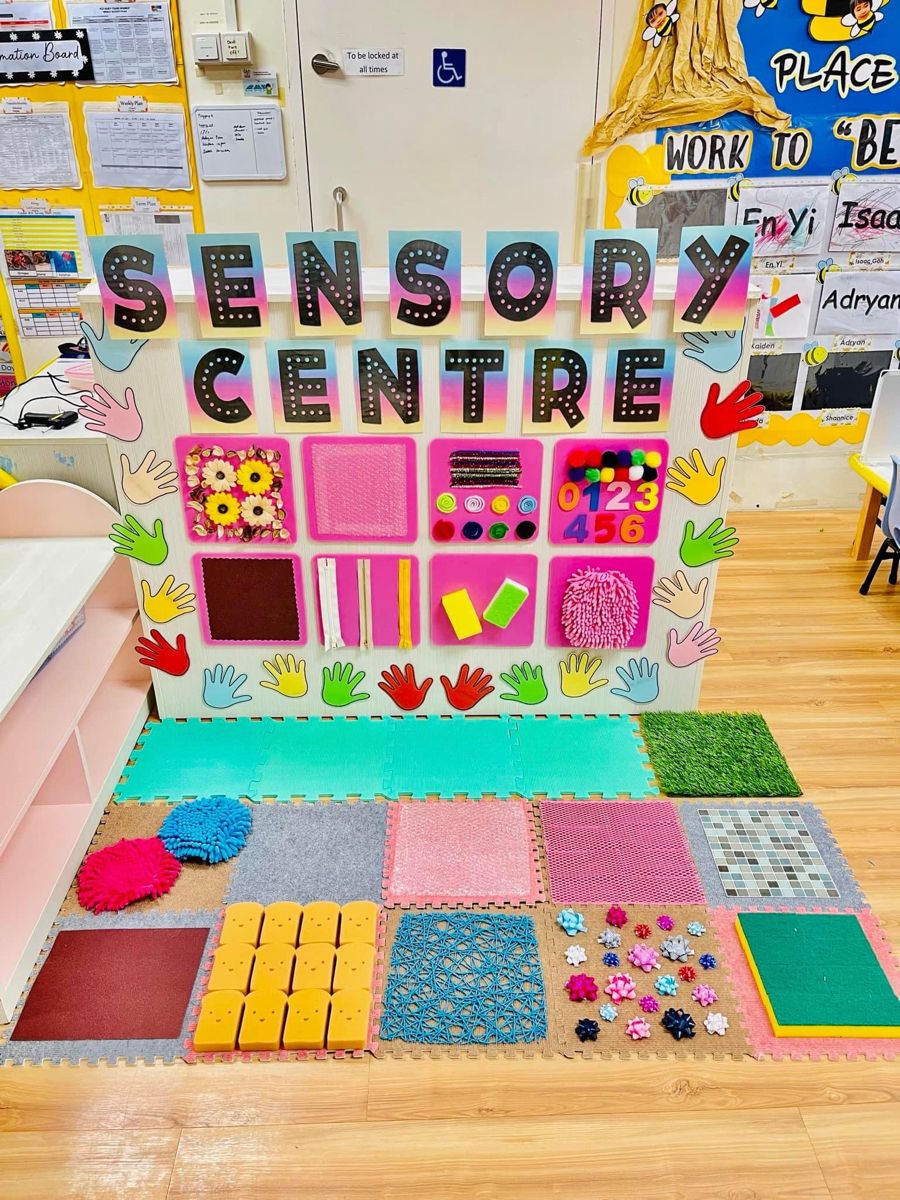
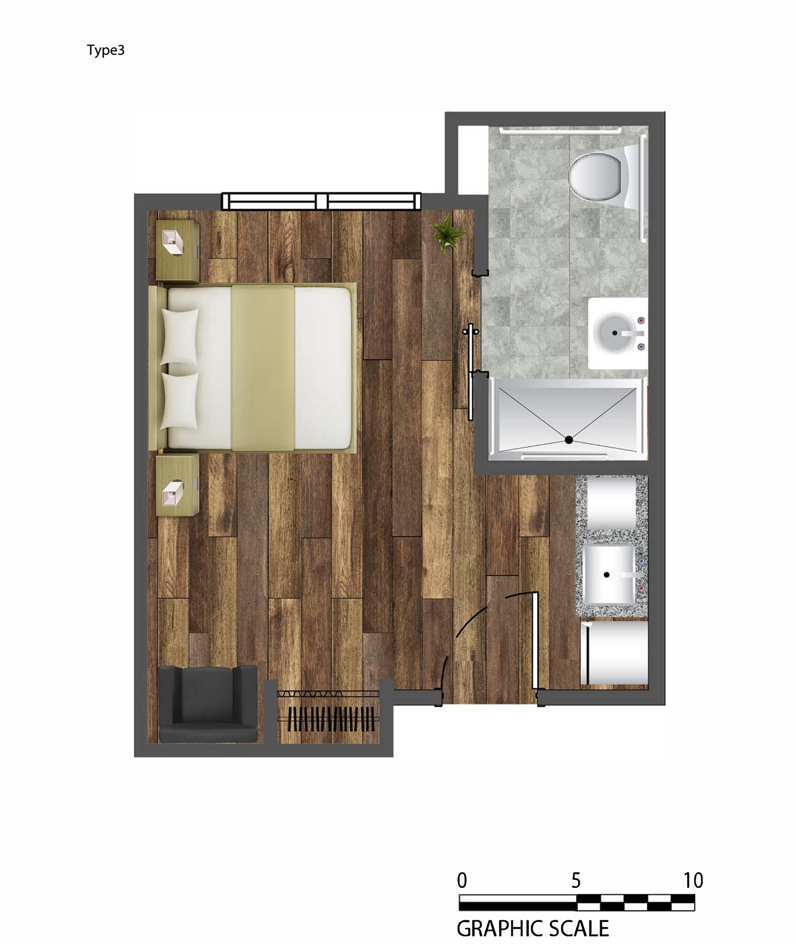
Imagine a senior living community where hallways are wide enough to avoid the claustrophobia of tight spaces, where lighting is adjustable to mimic natural circadian rhythms, and where textures—from flooring to furniture—are chosen for their tactile gentleness. Picture a bedroom designed with blackout curtains, white noise machines, and a layout that minimizes visual clutter. These aren’t extravagant features; they’re fundamental to creating a home that feels like a sanctuary rather than a stressor.
The challenge, of course, is translating these principles into scalable solutions. Not every autistic senior will have the same sensory profile, and what works for one person might overwhelm another. The answer lies in participatory design—involving autistic seniors in the planning process to ensure their voices shape the spaces they inhabit. This could mean co-creating floor plans with residents, testing materials for sensory comfort, or even using virtual reality to simulate living in a space before it’s built. The goal isn’t to create a single “autism-friendly” template, but to develop a toolkit of adaptable solutions that can be tailored to individual needs.
Another critical consideration is the role of nature. Biophilic design—incorporating natural elements like plants, water features, and views of greenery—has been shown to reduce stress and improve well-being. For autistic seniors, these elements can be particularly grounding, offering a respite from the overstimulation of urban environments. A courtyard with raised garden beds, a sunroom filled with native plants, or even a balcony with a bird feeder can transform a living space from a clinical setting into a place of solace.
Community as a Lifeline: Building Networks of Belonging
Housing, at its core, is about more than shelter—it’s about connection. For autistic seniors, the fear of isolation looms large, particularly as peers pass away or move into care facilities. Yet community doesn’t have to mean forced socialization. It can take the form of shared interests, quiet companionship, or even virtual networks that bridge geographical gaps.
One model gaining traction is the intentional community, where autistic seniors and their allies come together to create a shared vision for their living environment. These communities might include shared gardens, art studios, or quiet rooms designed for solitary reflection. The emphasis is on mutual support rather than obligation—residents choose how much they engage, whether it’s attending a weekly tea gathering or simply knowing that neighbors are nearby if needed.
Technology also plays a pivotal role in fostering connection. For autistic seniors who struggle with face-to-face interaction, digital platforms can offer a lifeline. Online forums, video calls with family, or even virtual reality meetups can help combat loneliness without the pressure of in-person social demands. The key is to provide these tools without assuming they’re the only solution—some autistic seniors may prefer low-tech options, like pen pal programs or phone calls with trusted friends.
Of course, community-building isn’t just about the residents themselves. It’s also about educating neighbors, caregivers, and service providers to foster understanding and reduce stigma. A well-informed community can be the difference between an autistic senior feeling like an outsider and feeling like a valued member of the neighborhood.
The Financial Puzzle: Navigating Funding and Advocacy
No discussion of housing for autistic seniors would be complete without addressing the elephant in the room: money. Supportive housing is expensive, and funding streams are fragmented at best. Medicaid, while a lifeline for many, often falls short in covering the specialized services autistic seniors need. Private pay options exist but are out of reach for those on fixed incomes. The result is a patchwork of solutions that leaves many autistic seniors and their families scrambling for answers.
Advocacy is critical here. Organizations and individuals are pushing for policy changes that recognize autism as a lifelong condition requiring sustained support. This includes lobbying for Medicaid waivers that cover autism-specific services, expanding housing vouchers for neurodivergent individuals, and incentivizing developers to build inclusive housing. Grassroots efforts, too, are making a difference—from crowdfunding campaigns for tiny home communities to local zoning changes that allow for alternative housing models.
For families navigating this landscape, the journey can feel overwhelming. But there are resources available, from financial planners specializing in disability benefits to housing navigators who can help identify funding opportunities. The key is to start early, ask questions, and refuse to accept “no” as the final answer. The right housing solution may require creativity, persistence, and a willingness to challenge the status quo—but it’s a fight worth having.

Autism and housing for seniors is more than a logistical challenge—it’s a moral one. It asks us to confront the ways our society has failed to adapt to the needs of neurodivergent individuals, and to imagine a future where aging isn’t synonymous with loss of agency. The solutions exist, but they require a collective reimagining of what supportive living can look like. It’s time to move beyond the group home, beyond the institutional model, and toward a world where autistic seniors can not only find a place to live, but a place to belong.
This isn’t just about housing. It’s about dignity. It’s about choice. It’s about the quiet revolution of designing spaces that honor the full spectrum of human experience. For autistic seniors, the promise of such a future isn’t just hopeful—it’s transformative.