Have you ever wondered what it’s like to navigate the world with a mind that perceives reality differently—and a heart that yearns for a name or identity that doesn’t quite fit the one assigned at birth? For many autistic individuals who also identify as transgender or gender-diverse, this isn’t just a hypothetical question. It’s a lived experience, one that weaves together the complexities of neurodivergence and gender identity into a tapestry of resilience, self-discovery, and sometimes, profound isolation.
Imagine standing at the intersection of two identities that society often treats as separate universes. On one side, the way your brain processes the world—its sensory sensitivities, its need for routine, its unique way of communicating—can feel like both a superpower and a barrier. On the other, the gender you were told you were doesn’t align with who you know yourself to be, a mismatch that can feel like wearing someone else’s skin. Now, imagine doing this in a world that often struggles to understand either of these experiences, let alone their convergence.
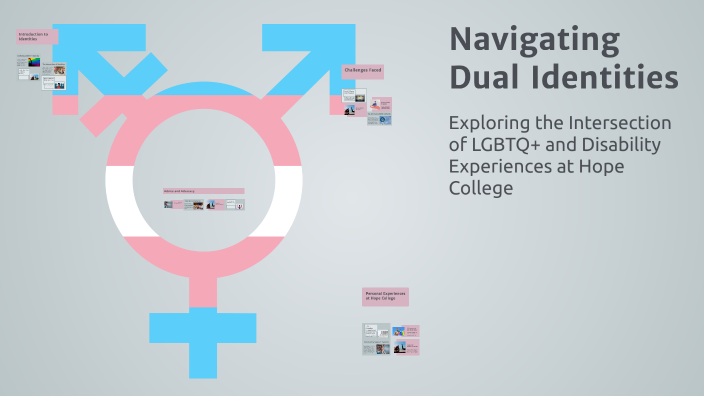
This is the reality for many autistic transgender individuals. Their journey is not just about transitioning or being neurodivergent—it’s about navigating a dual identity that demands both self-advocacy and societal change. Let’s explore the nuances of this experience, from the challenges of recognition to the unexpected strengths that emerge from this intersection.
The Double-Edged Sword of Recognition
One of the most perplexing aspects of being autistic and transgender is the way these identities can both obscure and illuminate each other. For some, the traits of autism—such as a deep focus on personal truths or a resistance to societal norms—can act as a catalyst for gender exploration. The autistic mind, unburdened by the social scripts that dictate how one “should” behave, may more readily question the gender assigned at birth.
Yet, this same clarity can become a double-edged sword. Autistic individuals often face skepticism when expressing their gender identity, with their experiences dismissed as “just a phase” or attributed to their neurodivergence. “Maybe they’re just confused because of their autism,” is a refrain that echoes through many support groups. This skepticism isn’t just frustrating—it’s erasure. It strips away the validity of their identity, leaving them to fight for recognition on two fronts: as autistic and as transgender.
Consider the case of a young person who, after years of masking their gender dysphoria to fit in, finally finds the words to describe their identity. They share this revelation with a therapist, only to be met with a shrug and a suggestion to “work on social skills” instead. The message is clear: their gender identity is secondary to their autism, a side note in the grand narrative of their life. This is the reality for far too many, where the intersection of these identities becomes a battleground rather than a bridge.
The Sensory and Social Labyrinth
For autistic individuals, the world is often a sensory minefield. Loud noises, bright lights, or even the texture of clothing can feel like assaults on the senses. Now, add the layer of gender dysphoria—the discomfort of a body that doesn’t align with one’s identity—and the sensory experience becomes even more fraught. A binder, for example, might be essential for alleviating dysphoria, but its tight fabric could trigger tactile sensitivities, creating a paradox where relief and discomfort coexist.
Social interactions, too, are a labyrinth. Autistic individuals often struggle with nonverbal cues, making it difficult to navigate the unspoken rules of gender expression. A transgender autistic person might find themselves misgendered not out of malice, but because their communication style doesn’t conform to societal expectations. They might avoid eye contact, speak in a monotone, or use gestures that others misinterpret, all of which can lead to further gendered misclassification.
This is where the concept of intersectional invisibility comes into play. In spaces designed for either autistic individuals or transgender people, they often find themselves on the periphery, their needs overlooked because they don’t fit neatly into either category. Support groups for autistic individuals might not address gender identity, while LGBTQ+ spaces may lack understanding of neurodivergence. The result? A sense of being perpetually out of place, even within communities that should feel like safe havens.

The Unlikely Strengths of Dual Identity
Despite the challenges, there’s a quiet power in navigating these dual identities. Autistic individuals often possess a remarkable ability to hyperfocus on their passions, and for many, gender identity becomes one such passion. The deep, almost obsessive exploration of self that autistic people are capable of can lead to a profound understanding of their gender, unclouded by societal expectations.
Moreover, the resilience required to advocate for oneself in a world that often misunderstands both autism and transgender identities can foster an unshakable sense of self. Autistic transgender individuals frequently develop a keen awareness of their boundaries, learning to articulate their needs with a clarity that others might envy. They become adept at reading between the lines, not just in conversations, but in the unspoken rules of gender expression.
There’s also a unique creativity that emerges from this intersection. Many autistic transgender individuals describe their gender identity as a form of neurodivergent expression, where their understanding of gender is fluid, unbound by traditional categories. This can lead to innovative ways of expressing identity, from creating art that challenges gender norms to redefining what it means to be “male” or “female” in a way that aligns with their neurodivergent experience.
Bridging the Divide: The Role of Allies and Systems
The onus of change shouldn’t rest solely on the shoulders of autistic transgender individuals. Allies—whether they’re friends, family, therapists, or educators—play a crucial role in creating spaces where these dual identities can coexist without erasure. This means educating oneself about both autism and transgender experiences, recognizing that they are not mutually exclusive but deeply intertwined.
Therapists, in particular, hold a significant responsibility. Too often, autistic individuals are steered away from gender exploration under the guise of “stability,” as if questioning one’s gender is a distraction from the “real” work of managing autism. Instead, therapists should approach these identities with curiosity and openness, validating the experiences of their clients without pathologizing them.
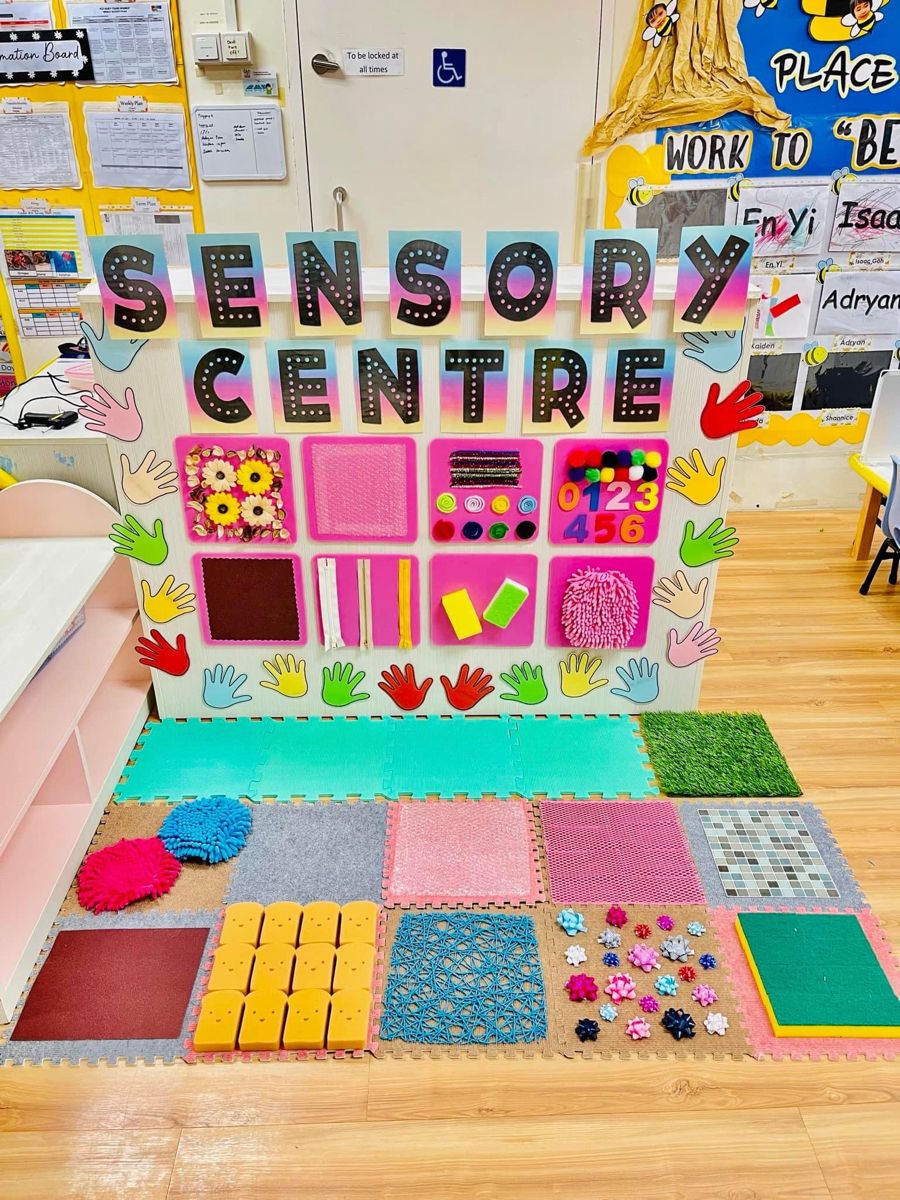
Workplaces and educational institutions also have a role to play. Sensory-friendly environments can accommodate the needs of autistic individuals, while gender-inclusive policies can ensure that transgender people—regardless of their neurotype—are respected. Simple changes, like providing gender-neutral restrooms or allowing individuals to use their chosen names without legal hurdles, can make a world of difference.
The Journey Ahead
The path for autistic transgender individuals is not linear. It’s a journey marked by moments of clarity and confusion, of acceptance and resistance. Yet, for many, this journey is also one of empowerment. By embracing both their neurodivergence and their gender identity, they challenge the notion that these experiences must exist in silos. They prove that dual identities are not a burden, but a testament to the complexity and richness of human experience.
So, what does the future hold? It’s a question that lingers in the air, heavy with possibility. As society slowly begins to recognize the intersections of identity, there’s hope that autistic transgender individuals will no longer have to navigate their lives in the shadows. Instead, they can step into the light, their dual identities celebrated rather than compartmentalized.
Until then, the journey continues—one step, one revelation, one act of self-advocacy at a time.