In the labyrinthine corridors of neuroscience, a quiet revolution is unfolding—one that whispers of a hidden axis, a bidirectional highway where the gut and brain engage in an intricate, almost mystical dialogue. This is the gut-brain connection, a burgeoning frontier where the trillions of microorganisms in our intestines may hold the keys to understanding—and perhaps even reshaping—the landscape of autism. Once dismissed as fringe speculation, this science is now emerging from the shadows of pseudoscience into the glaring light of rigorous research, promising not just new insights but a fundamental shift in how we perceive neurodevelopmental conditions.
The gut-brain axis is no mere metaphor. It is a tangible, dynamic network of communication involving neural, hormonal, and immunological pathways. The gut, often referred to as the “second brain,” houses a vast ecosystem of bacteria, viruses, and fungi that collectively form the gut microbiota. These microscopic inhabitants do far more than aid digestion; they influence the production of neurotransmitters like serotonin and dopamine, modulate immune responses, and even shape the integrity of the blood-brain barrier. When this delicate balance is disrupted—through antibiotics, poor diet, or environmental toxins—the repercussions may ripple outward, potentially altering brain function and behavior in ways we are only beginning to comprehend.
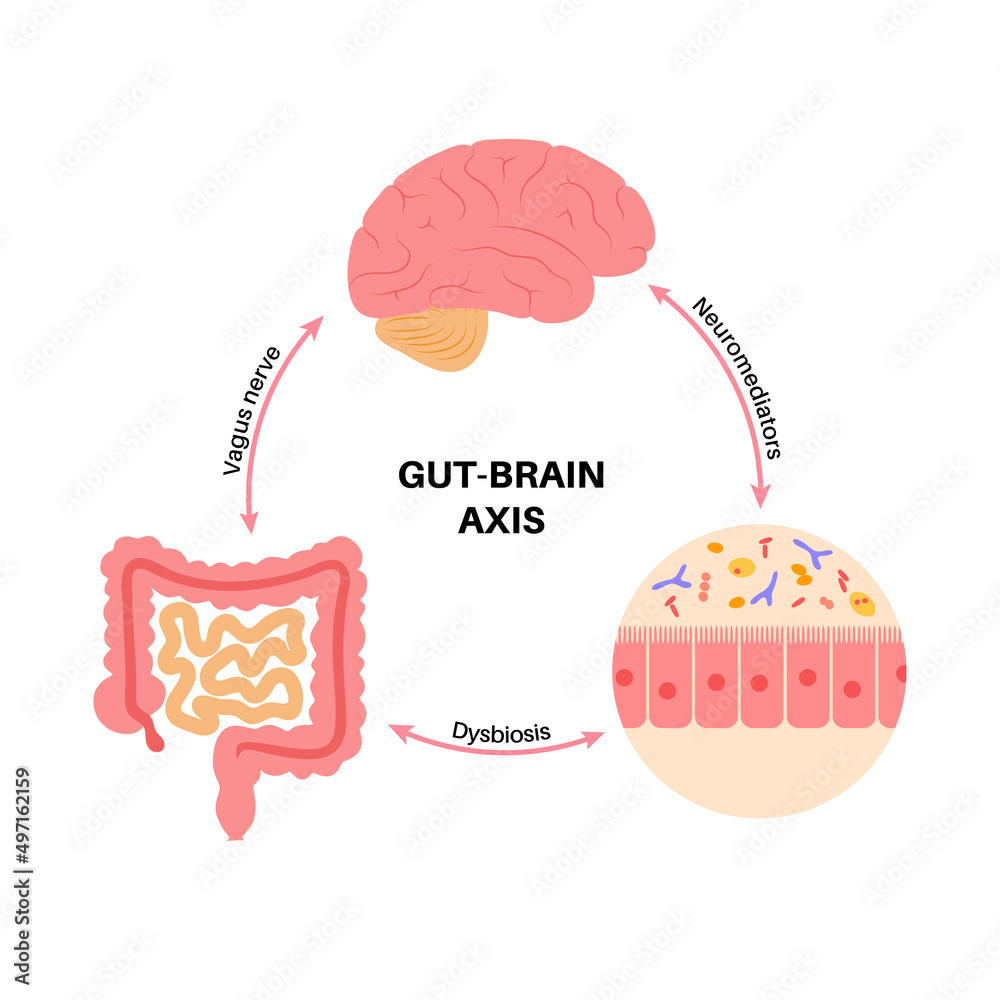
The Microbiome’s Silent Symphony: How Gut Bacteria May Shape Neurodevelopment
Imagine, for a moment, the gut as a bustling metropolis. Within this teeming city, bacteria are not passive bystanders but active architects of health. Certain strains, like Lactobacillus and Bifidobacterium, are renowned for their probiotic virtues, while others, if left unchecked, may foment inflammation and metabolic mayhem. In the context of autism, researchers are increasingly intrigued by the possibility that an imbalanced microbiome—termed dysbiosis—could contribute to the condition’s core symptoms.
Studies have revealed striking patterns. Children with autism often exhibit lower microbial diversity and an overrepresentation of bacteria associated with inflammation, such as Clostridium species. These microbial misfits may produce metabolites that disrupt synaptic pruning, the critical process by which the brain refines its neural connections. The result? A brain that struggles to filter sensory noise, regulate emotions, or sustain attention—hallmarks of autism. Yet, this is not a one-way street. The brain, too, exerts influence over the gut, with stress and anxiety altering gut motility and permeability, creating a vicious cycle that may exacerbate both gastrointestinal and behavioral symptoms.
From Mice to Humans: The Evidence Piling Up
The evidence linking the gut-brain axis to autism is not confined to petri dishes or theoretical models. In groundbreaking experiments, researchers transplanted fecal microbiota from human donors with autism into germ-free mice. The results were revelatory. The recipient mice exhibited behaviors reminiscent of autism—social deficits, repetitive movements, and heightened anxiety—compared to controls. When these mice were later treated with probiotics, some of these behaviors diminished, suggesting a causal role for the microbiome in shaping neurodevelopment.
Human studies, though still in their infancy, are beginning to corroborate these findings. A 2023 meta-analysis of over 20 clinical trials found that children with autism who received microbiota-based interventions—such as fecal microbiota transplants or probiotic supplements—showed improvements in gastrointestinal symptoms and, in some cases, modest gains in social communication. These results are preliminary, but they ignite a tantalizing question: Could the gut be the missing link in autism’s complex etiology?
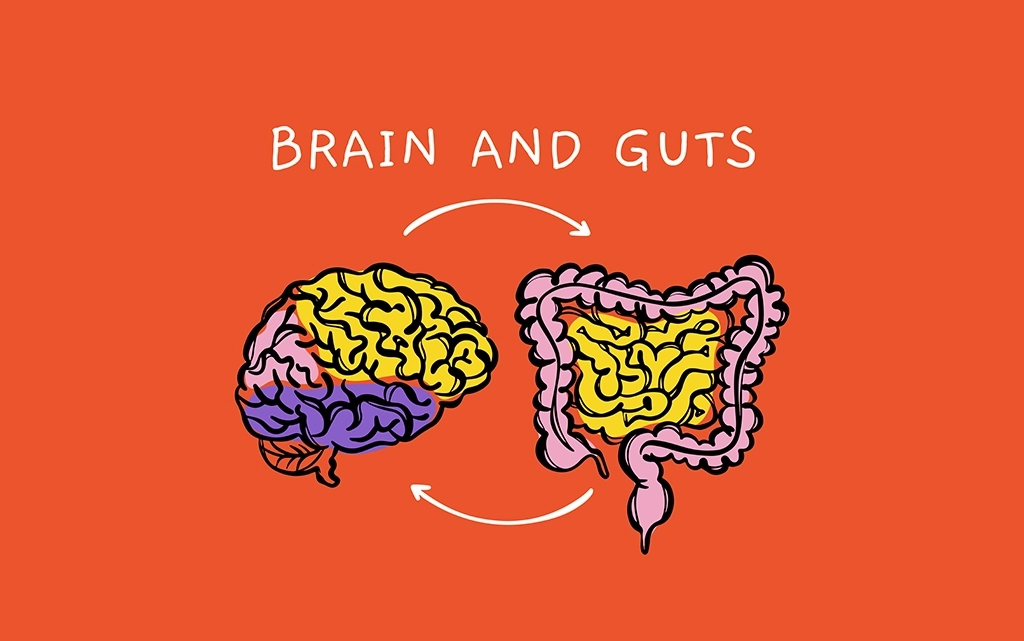
The Immune System’s Role: When the Body’s Defenses Turn Against the Brain
Beneath the gut-brain axis lies another layer of complexity: the immune system. Chronic inflammation, often triggered by a leaky gut—a condition where the intestinal lining becomes permeable—may allow bacterial toxins to infiltrate the bloodstream and incite an immune response. In autism, this immune dysregulation is not merely a side effect but a potential driver of neuroinflammation. Postmortem studies of autistic brains have revealed elevated levels of pro-inflammatory cytokines, particularly in regions governing social behavior and cognition.
Moreover, maternal immune activation—a phenomenon where infections during pregnancy trigger an immune response in the fetus—has been linked to an increased risk of autism. Could the gut’s microbial inhabitants be the mediators of this risk? Emerging research suggests that certain bacteria may prime the immune system in ways that predispose the developing brain to atypical wiring. This hypothesis, still in its infancy, opens a Pandora’s box of possibilities for early intervention, from maternal probiotic supplementation to targeted anti-inflammatory therapies.
Diet as Medicine: Can Food Rewrite the Brain’s Code?
If the gut holds such sway over the brain, then diet becomes more than sustenance—it becomes a form of pharmacology. The Western diet, laden with processed foods, artificial additives, and sugar, is a known disruptor of microbial balance. Conversely, diets rich in fiber, omega-3 fatty acids, and polyphenols—such as the Mediterranean diet—foster a thriving, diverse microbiome. Could dietary interventions, then, offer a low-risk, high-reward strategy for mitigating autism symptoms?
Preliminary trials have explored the effects of gluten-free, casein-free diets, gluten-free/casein-free (GFCF) diets, and ketogenic diets in autistic individuals. While results are mixed, some participants have experienced improvements in behavior, digestion, and even language skills. The mechanisms remain unclear—whether these diets reduce inflammation, correct metabolic imbalances, or simply starve harmful microbes—but the potential is undeniable. The challenge lies in personalizing these interventions, as the optimal diet for one individual’s microbiome may be another’s nutritional nightmare.
The Future: A Paradigm Shift in Autism Intervention?
The gut-brain connection is not a panacea, nor does it diminish the genetic and environmental factors already implicated in autism. Yet, it offers a glimmer of hope—a new lens through which to view a condition that has long been shrouded in mystery. Imagine a future where autism is not solely defined by its deficits but by its malleability; where therapies extend beyond behavioral interventions to include microbial transplants, precision nutrition, and immune modulation. This is not science fiction. It is the frontier of a medical revolution.
For parents, clinicians, and researchers alike, the gut-brain axis presents an opportunity to rethink autism not as a static diagnosis but as a dynamic interplay of biology and environment. The journey ahead will require rigorous science, open-minded collaboration, and a willingness to challenge long-held assumptions. But if the whispers of the microbiome are to be believed, the rewards could be transformative—not just for those on the spectrum, but for all of us who seek to understand the intricate dance between our bodies and our minds.
As the evidence mounts, one thing becomes clear: the gut is not merely a digestive organ. It is a silent orchestrator of our mental landscape, and in its microbial whispers, we may find the keys to unlocking autism’s deepest mysteries.