In the evolving landscape of mental health, a profound transformation is underway—one that challenges traditional paradigms and beckons a more nuanced understanding of diverse neurological experiences. Among these, autism spectrum disorder (ASD) presents unique complexities, demanding an autism-informed approach to mental health support that extends beyond superficial adaptations. This shift promises not only to tackle mental health issues more effectively but to celebrate the intricate mosaic of neurodiversity.
The Imperative for Autism-Informed Mental Health Care
The conventional mental health system often neglects the divergent cognitive and sensory processing styles characteristic of autism. Typical therapeutic frameworks may inadvertently overlook core autistic traits such as communication differences, sensory sensitivities, and social nuances. As a result, many individuals on the spectrum encounter barriers to accessing effective support.
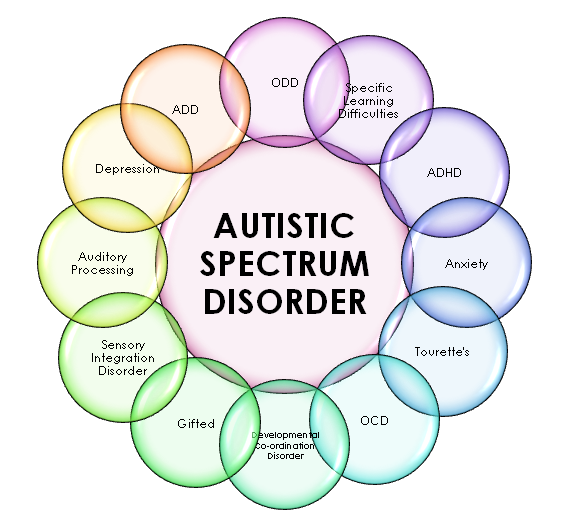
Recognizing this gap heralds an essential pivot—a commitment to mental health care that integrates autism-informed perspectives. This means reshaping clinical practices to honor individual experiences rather than enforcing one-size-fits-all methodologies. It also means acknowledging that mental health challenges among autistic individuals are often interwoven with their neurological identity, rather than simply co-existing conditions.
Understanding Neurodiversity: The Foundation of Autism-Informed Support
At the heart of autism-informed mental health is the principle of neurodiversity—the acknowledgment that neurological differences are a natural and valuable facet of human diversity. This paradigm reframes autism from a deficit model into a spectrum of strengths and challenges. Embracing neurodiversity disrupts stigmatizing narratives and fosters a respectful, asset-focused approach to mental health.
Beyond clinical terms, neurodiversity requires practitioners to cultivate empathy and flexibility, recognizing that the autistic experience transcends societal norms of behavior and emotion. This paradigm shift paves the way for tailored interventions that truly resonate with an individual’s lived reality.
Crafting Autism-Informed Interventions: Beyond Conventional Therapy
Traditional mental health interventions often prioritize verbal communication and abstract cognitive processing, potentially marginalizing autistic clients who may communicate or process information differently. Autism-informed support ensures therapeutic modalities are adapted to encompass diverse communication styles, including alternative and augmentative communication.
Additionally, sensory processing differences are prioritally considered. Therapeutic environments are modified to minimize sensory overload, with awareness of lighting, sounds, and tactile stimuli. Such accommodations are not mere conveniences but crucial components of effective support, reducing anxiety and enhancing engagement.
Practitioners also emphasize behavioral support frameworks that focus on understanding the motivators behind behaviors instead of enforcing conformity. Recognizing behaviors as communication encourages collaborative problem-solving instead of punitive measures, nurturing trust and safety within the therapeutic alliance.

Training and Education: Building Autism Competence Among Professionals
The promise of autism-informed mental health hinges on specialized training and ongoing education for care providers. Neurodiversity-aware training modules equip professionals with the knowledge and empathy necessary to decipher nuanced autistic presentations. This reduces the risk of misdiagnosis and inappropriate treatment plans.
Moreover, collaboration with the autistic community is indispensable. Including autistic voices in the development and implementation of mental health strategies ensures the services are both authentic and efficacious. Peer support initiatives exemplify this synergy, enabling shared understanding and empowerment.
Technology and Innovation: Enhancing Accessibility and Customization
The integration of digital tools tailored for autistic individuals opens new frontiers in mental health care. Virtual reality, telehealth platforms, and personalized apps offer customizable, controlled environments for intervention that can bypass conventional barriers.
Such innovations provide discreet, flexible options that align with sensory preferences and communication needs, fostering self-directed engagement. The capacity to modulate exposure, pace, and interaction modality enriches the support landscape, rendering it more inclusive.
Barriers That Persist and the Way Forward
Despite promising strides, systemic challenges persist. Stigma, inadequate funding, and fragmented services impede the widespread adoption of autism-informed mental health care. The entrenched medical model resists disruption, and many professionals remain insufficiently equipped to enact these changes.
Addressing these obstacles necessitates a concerted effort among policymakers, healthcare systems, and advocacy groups. Investment in autism-specialized resources, alongside broad initiatives to raise awareness and foster acceptance, is paramount. Only through such multi-dimensional advocacy can the promise of transformative, autism-informed mental health become a tangible reality.
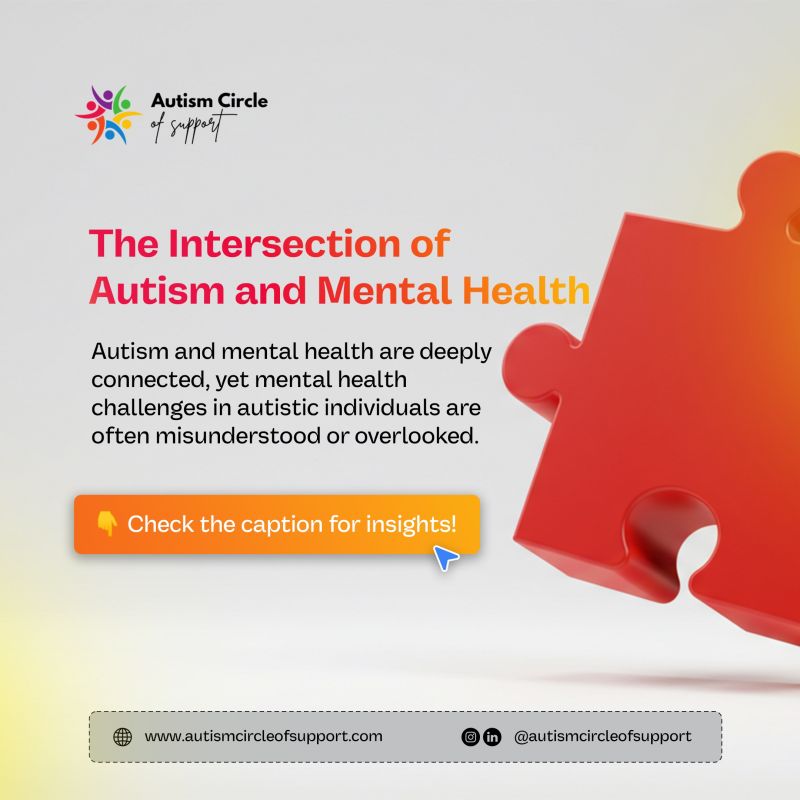
The Intersection of Mental Health and Autism: Celebrating Complexity
Autism-informed mental health support transcends clinical intervention; it is a celebration of complexity and authenticity. By recognizing and valifying the distinct ways autistic individuals experience the world, it honors their innate dignity and humanity.
This approach offers a radical reimagination of mental health paradigms—one that sees difference not as deficiency but as a vital aspect of human variation. It galvanizes a future where mental health services are not only more effective but profoundly compassionate and individualized.
Embracing autism-informed mental health support compels society to rethink its assumptions, widen its empathy, and refine its practices. Such transformation kindles hope—a promise that every individual, regardless of neurotype, can access care that uplifts and empowers them on their unique mental health journey.