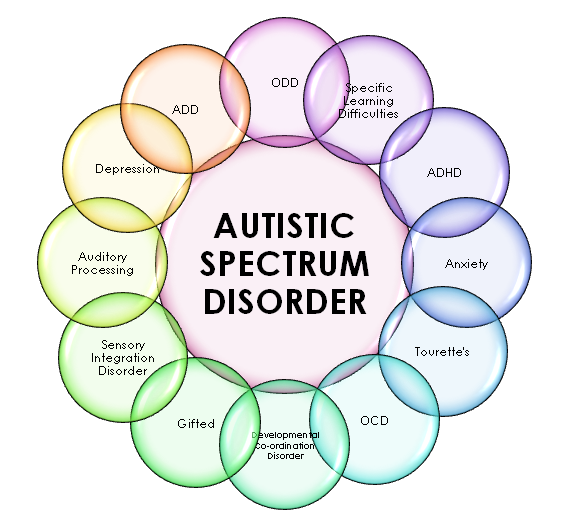
Embarking on the autism assessment process can often feel like venturing into an intricate maze, where every turn offers new insights, challenges, and revelations. This journey, although complex, is meticulously designed to illuminate the unique neurological landscape of an individual. Understanding each step demystifies the path and equips families, caregivers, and individuals with clarity and confidence. Below is a comprehensive guide that navigates the nuanced stages of the autism assessment process, highlighting its transformative potential and singular appeal.
Initial Referral: The Gateway to Understanding
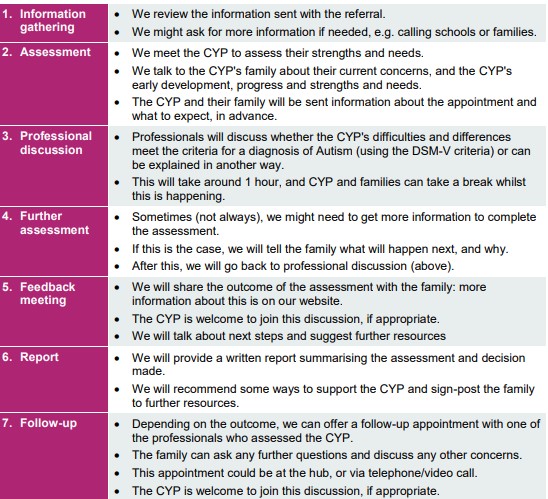
The autism assessment process begins at the threshold—the initial referral, akin to unlocking the first door in an elaborate corridor. This step often originates from concerned parents, educators, or healthcare professionals noticing developmental differences or behavioral nuances. The referral acts as a formal request for deeper exploration, paving the way for a comprehensive evaluation. Importantly, this stage is not a verdict but an invitation to embark on a detailed journey of discovery.

Comprehensive Developmental History: Weaving the Narrative Tapestry
Next, the process delves into the chronology of an individual’s development. Gathering a detailed developmental history is comparable to weaving an intricate tapestry—each thread representing milestones, challenges, and environmental factors that shape cognitive and social growth. This phase involves interviews with caregivers and educators, covering early language, social engagement, motor skills, and adaptive behaviors. Such rich narratives offer invaluable context, grounding subsequent evaluations in lived experience rather than abstract criteria.
Observational Assessment: The Subtle Art of Behavioral Detection
In this stage, clinicians become skilled detectives of behavior, searching for subtle cues and patterns within naturalistic or structured settings. The observational assessment acts like a microscope, magnifying the nuances of social interaction, communication styles, repetitive behaviors, and sensory sensitivities. Whether conducted in clinical environments or familiar spaces, this phase captures authentic expressions and challenges, revealing core aspects of autism that standardized tests might overlook.
Standardized Testing: The Diagnostic Compass
Armed with comprehensive histories and keen observations, evaluators employ standardized instruments—structured tools that serve as a diagnostic compass. These assessments, such as the Autism Diagnostic Observation Schedule (ADOS) and Autism Diagnostic Interview-Revised (ADI-R), bring empirical rigor to the process. They help differentiate autism from other developmental conditions and identify specific areas of strength and difficulty. Though numbers and scores may seem clinical, they serve a higher purpose: revealing the hidden contours of an individual’s cognitive and social architecture.
Multi-Disciplinary Evaluation: Symphony of Specialized Insights
No single expert holds the entire map; thus, the assessment process culminates in a multi-disciplinary evaluation. This collaborative approach orchestrates the input of psychologists, speech and language therapists, occupational therapists, and other specialists. Each contributes a distinct lens, enriching the overall understanding. It is akin to a symphony where diverse instruments harmonize to produce a comprehensive diagnosis and personalized recommendations. This collective expertise ensures that all facets of an individual’s profile are thoroughly considered.
Feedback and Diagnosis: Illuminating the Path Forward
Following exhaustive investigation, families and individuals receive feedback—a pivotal moment in the journey. This stage, much like the breaking dawn, sheds light on the diagnostic conclusions and unravels the intricate mosaic of behaviors, challenges, and potentials. Diagnoses are communicated with empathy, balancing clinical terminology with accessible explanations, and most importantly, highlighting actionable next steps.
Post-Diagnosis Planning: Crafting Tailored Support Strategies
A diagnosis is not the culmination but rather a catalyst for growth and support. Post-diagnosis planning involves crafting bespoke intervention strategies, educational accommodations, and therapeutic approaches tailored to the individual’s strengths and challenges. This phase transforms the abstract into the practical, ensuring that knowledge gained translates into tangible improvements in quality of life. These plans are living documents, evolving with progress and changing needs.
Follow-Up and Long-Term Monitoring: The Continuous Voyage
The autism assessment process is not a finite destination but an ongoing voyage. Follow-up appointments and long-term monitoring ensure that interventions remain effective and responsive. These subsequent evaluations refine strategies, celebrate successes, and address emerging challenges, reinforcing the dynamic nature of neurodevelopmental support. The journey is one of continuous adaptation and resilience.
In essence, the autism assessment process is a profoundly empowering expedition through the labyrinth of human neurodiversity. It transforms uncertainty into clarity, providing a vital roadmap for individuals and families to understand and embrace unique developmental profiles. This intricate, multi-layered journey highlights the singular beauty of each neurological tapestry, fostering acceptance, support, and self-advocacy.