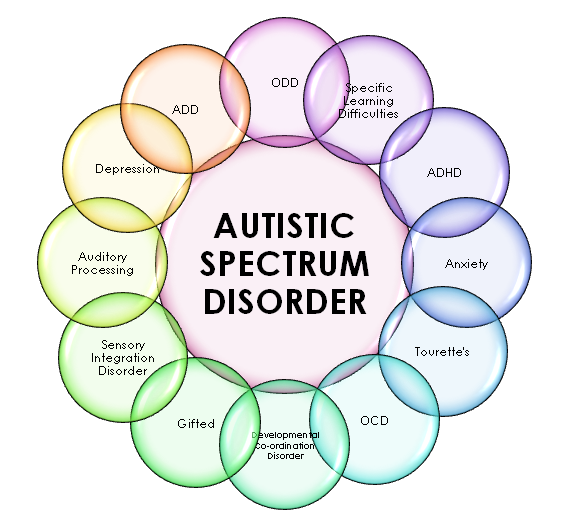
Living with autism presents a spectrum of experiences that can often challenge both the individual and those around them. Among these, understanding the distinctions between meltdowns and shutdowns is paramount for caregivers, educators, and loved ones. These two responses, though sometimes conflated, represent uniquely different manifestations of distress rooted in sensory overwhelm and emotional regulation difficulties. Recognizing the nuances between them not only enhances empathy but also equips responders with tailored strategies that foster calm, empowerment, and safety.
Defining Autism Meltdowns: The External Storm
Autism meltdowns are intense, outward expressions of emotional overload. Unlike typical tantrums, which might be manipulative or goal-oriented, meltdowns stem from an uncontrollable flood of sensory input, frustration, or anxiety. The individual loses the ability to self-regulate and their reactions are often disproportionate to the triggering event. Meltdowns manifest through crying, screaming, hitting, or running away—behaviors signaling that the brain is overwhelmed and seeking relief.
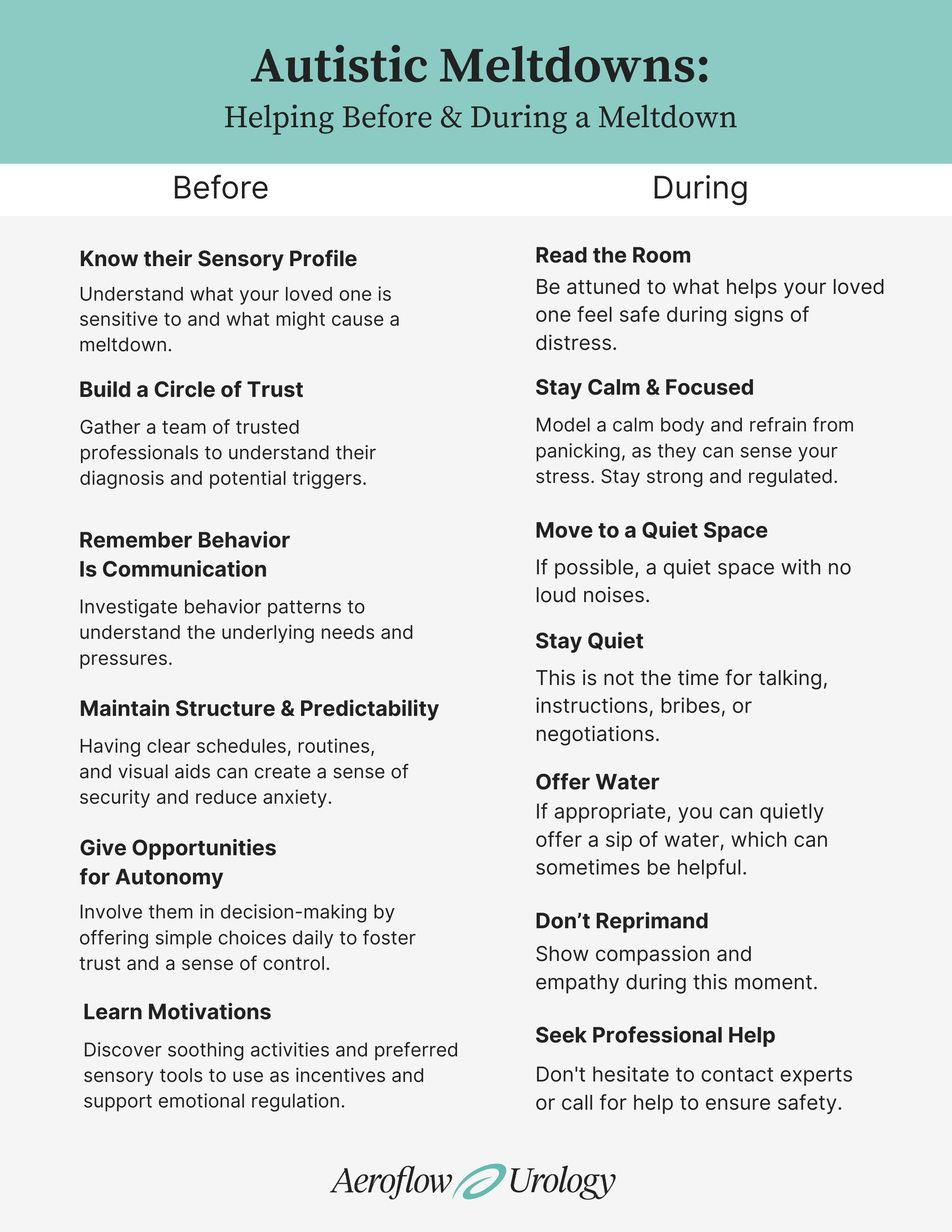
These episodes can be sudden, erupting without warning, making them particularly challenging to manage. Understanding that meltdowns are not misbehavior but a desperate coping mechanism shifts the perspective from punishment to support. Caregivers should recognize environmental triggers such as loud noises, crowded spaces, or abrupt changes in routine that often precede meltdowns.
Understanding Autism Shutdowns: The Internal Withdrawal
In stark contrast to the external chaos of meltdowns, shutdowns are characterized by internal retreat. When overwhelmed, some individuals with autism may become silent, unresponsive, and withdrawn. This state can resemble dissociation, where the individual appears to “switch off” from sensory input, social demands, or communication attempts. Shutdowns are less visible yet profoundly impactful, often misunderstood as obstinacy or disengagement.
Physiologically, shutdowns may involve reduced motor activity, diminished eye contact, and limited speech or movement. It is a coping strategy—an involuntary protective response to overstimulation or mental exhaustion. Recognizing shutdowns requires heightened sensitivity to subtle cues, such as a sudden cessation of interaction or a glazed expression.

Triggers and Precursors: Common Catalysts for Meltdowns and Shutdowns
Both meltdowns and shutdowns frequently emerge from sensory overload or emotional distress, yet the specific triggers can vary widely among individuals. Some common precipitating factors include unpredictable changes, sensory stimuli like bright lights or loud sounds, social pressure, or physical discomfort. The individual’s sensory profile and emotional resilience play significant roles in determining which reaction unfolds.
For instance, an environment teeming with conflicting sensory inputs may provoke a meltdown in one person and a shutdown in another. Equally, the intensity and duration of the trigger can influence the severity and type of response. Recognizing early signs such as increased agitation, withdrawal, or repetitive behaviors can be crucial in intervening before an eruption or shutdown ensues.
How to Respond to Autism Meltdowns
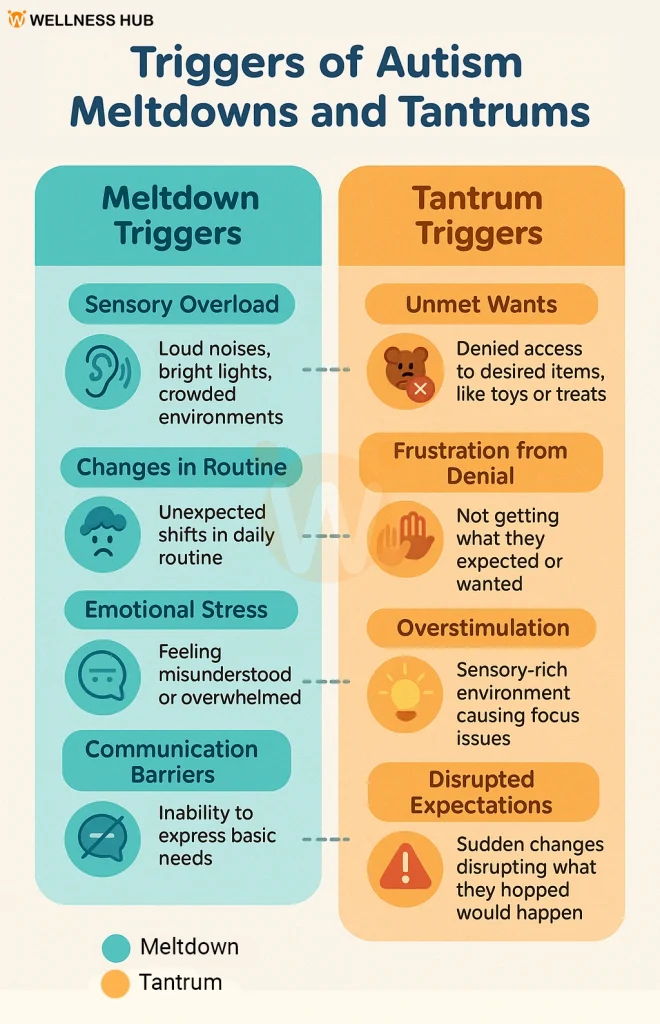
Responding effectively to meltdowns requires a calm, measured approach. The primary goal is to create a safe, non-judgmental space where the individual feels secure enough to ride out the storm. Attempting to reason or discipline during a meltdown is often futile and can exacerbate distress. Instead, validation of feelings through empathetic language—“I see this is really hard for you”—can sometimes provide solace.
Minimizing sensory stimuli by moving to a quieter, dimly lit setting can help ground the individual. Physical restraint should be avoided unless absolutely necessary for safety, as it can intensify panic. Patience is essential, as meltdowns can last from a few minutes to over an hour. Post-episode, offering gentle reassurance and opportunities for decompression help rebuild trust and facilitate recovery.
How to Respond to Autism Shutdowns
Shutdowns necessitate a distinctly different strategy, emphasizing gentle encouragement and patience. Forcing interaction or communication when the individual is disengaged can heighten anxiety and prolong the shutdown. Instead, offering quiet companionship and reassurance without demanding responses allows the person to regain composure at their own pace.
Providing familiar, comforting sensory input—such as a weighted blanket or favorite music—can assist in re-engagement. Respect for personal boundaries during this vulnerable state fosters a sense of control and safety. Monitoring for basic needs like hydration, nutrition, or rest is also important, as these are frequently compromised during shutdowns.
Long-Term Strategies: Prevention and Support
Mitigating the frequency and intensity of meltdowns and shutdowns involves proactive, person-centered planning. Creating predictable routines, employing clear communication methods, and incorporating sensory breaks into daily schedules contribute significantly to emotional regulation. Additionally, teaching self-advocacy and coping skills equips individuals with tools to recognize and manage their own stress before escalation.
Collaborating with therapists, educators, and medical professionals to tailor interventions fosters holistic support. Environmental modifications—such as reducing visual clutter or noise—and the use of assistive technologies can greatly enhance comfort and reduce triggers. Importantly, nurturing a culture of understanding and acceptance within families, schools, and communities is foundational.
Conclusion: Embracing Nuance and Compassion
Autism meltdowns and shutdowns are complex, multifaceted phenomena that signal an individual’s struggle to process overwhelming internal and external worlds. Distinguishing between these responses is vital for providing the nuanced, empathetic support necessary for well-being. By cultivating awareness of triggers, recognizing early signs, and applying thoughtful, tailored interventions, caregivers and allies can transform moments of crisis into opportunities for connection and empowerment.
The journey toward understanding these behaviors deepens the commitment to respect, patience, and individualized care, underscoring the profound humanity inherent in every autistic experience.