Have you ever stared into the abyss of an empty lunchbox, wondering how to transform it into a vessel of nourishment that not only fuels young minds but also dances with the sensory sensitivities of a child on the autism spectrum? The lunchbox, often a battleground of textures, temperatures, and tastes, can become a sanctuary of comfort when approached with intention. For parents navigating the intricate landscape of autism, crafting a school-friendly lunch isn’t just about nutrition—it’s about creating a meal that respects boundaries, celebrates preferences, and sidesteps sensory triggers. Let’s embark on a journey to reimagine the lunchbox as a tool for empowerment, where every bite is a step toward confidence and every meal is a testament to understanding.
Autism spectrum disorder (ASD) presents a unique tapestry of challenges, particularly when it comes to food. Sensory aversions to certain textures, temperatures, or flavors can turn mealtime into a minefield. A crunchy apple slice might feel like sandpaper on the tongue, while a warm, mushy pasta dish could trigger an overwhelming tactile response. The key lies in striking a balance between nutritional integrity and sensory harmony. A balanced lunchbox isn’t just a collection of food items; it’s a carefully curated experience designed to nourish both body and mind.
The Art of Sensory-Friendly Packing: Where Texture Meets Taste
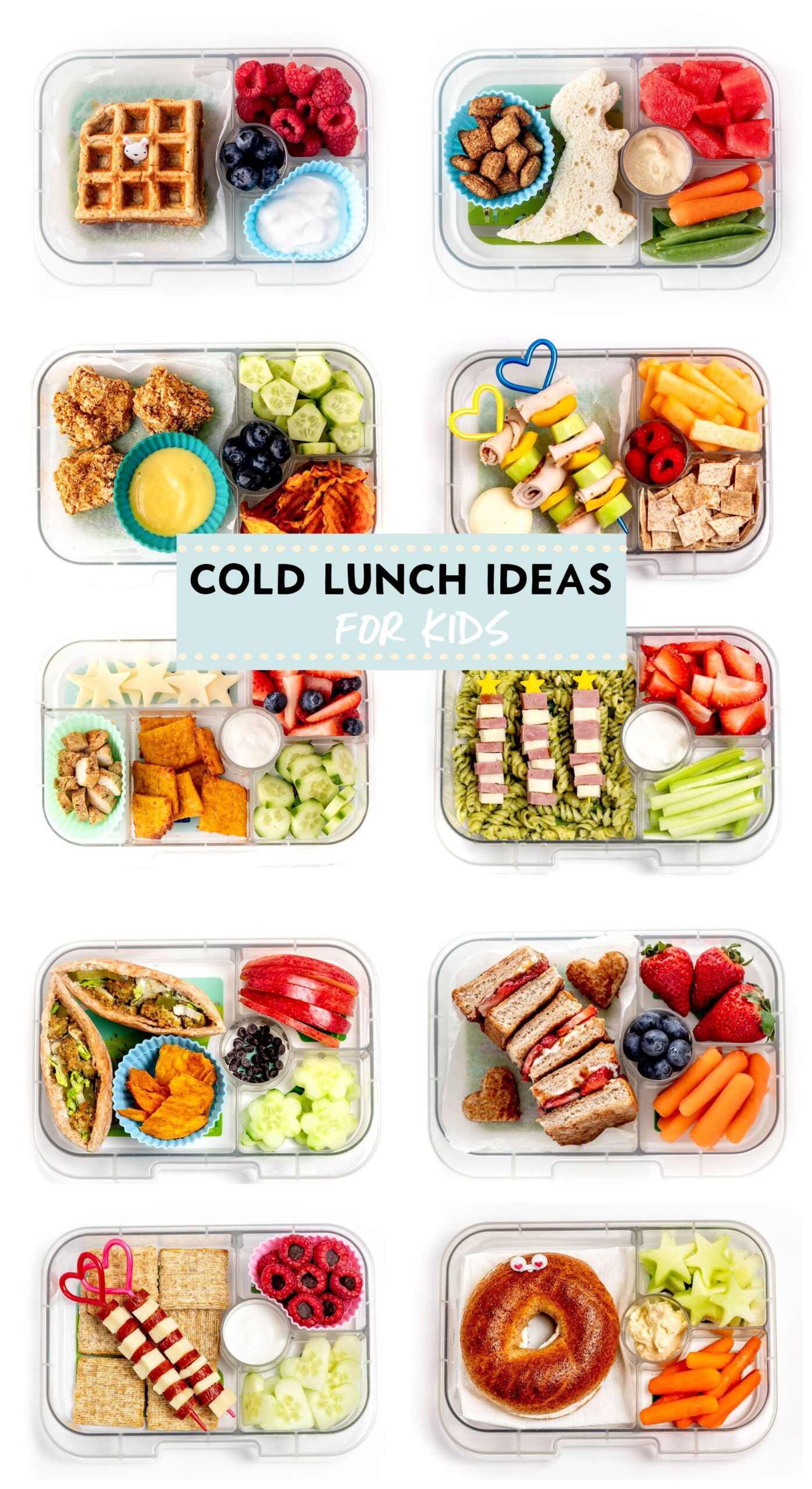
Imagine a world where the mere thought of a soggy sandwich sends shivers down your spine. For many children with autism, this isn’t just an exaggeration—it’s a daily reality. The first rule of autism-friendly lunchbox packing is to respect the power of texture. Separate components that might bleed flavors or soften prematurely. For instance, a deconstructed bento box can be a game-changer. Pack crunchy carrot sticks in one compartment, a small container of hummus in another, and a slice of cheese in yet another. This way, each element retains its integrity until the moment of consumption.
Temperature plays an equally pivotal role. Some children with autism prefer foods served at room temperature, while others may reject anything that isn’t piping hot or ice-cold. Invest in insulated containers to maintain the desired temperature of soups, stews, or warm pasta dishes. Conversely, frozen yogurt tubes or chilled fruit cups can provide a refreshing contrast. The goal is to offer variety without overwhelming the senses. Think of it as a culinary symphony, where each instrument—each texture, each temperature—plays its part in harmony.

Nutritional Navigators: Crafting Meals That Fuel Without Friction
Balancing nutrition in an autism-friendly lunchbox requires a blend of creativity and nutritional savvy. Protein is a cornerstone, but not all sources are created equal. Grilled chicken strips, hard-boiled eggs, or turkey roll-ups can provide lean protein without the sensory pitfalls of certain meats. For plant-based options, consider edamame, chickpea salad, or tofu cubes marinated in mild flavors. The trick is to avoid overpowering spices or marinades that might trigger aversions.
Carbohydrates should be complex and fiber-rich to sustain energy levels throughout the school day. Whole-grain bread, quinoa, or brown rice can serve as the foundation for sandwiches, wraps, or grain bowls. Pair these with fruits and vegetables that are low in acidity and mild in flavor, such as bananas, cucumbers, or steamed sweet potato wedges. Avoid overripe or overly fibrous produce, which can be challenging to chew or digest. The goal is to provide sustained energy without the crash that often follows sugary or overly processed snacks.
Hydration is another critical yet often overlooked component. Children with autism may have specific preferences or aversions to certain drinks. Water is the gold standard, but if your child refuses plain water, consider infusing it with subtle flavors like cucumber or berries. Avoid carbonated or overly sweetened beverages, which can exacerbate sensory sensitivities. A small, reusable water bottle with a straw can also make hydration more appealing, as some children find straws easier to use than open cups.
Visual and Structural Considerations: The Power of Presentation
For children with autism, the visual appeal of a meal can be just as important as its taste or texture. A lunchbox that looks chaotic or overwhelming may deter even the most adventurous eaters. Organize food items in a way that creates a sense of order and predictability. Silicone cupcake liners or divided containers can help compartmentalize foods, making the meal feel less daunting. Color contrast can also play a role—brightly colored foods like bell peppers, cherry tomatoes, or purple sweet potatoes can make the lunchbox visually stimulating without being overwhelming.
Shape and size matter, too. Small, bite-sized pieces are easier to manage for children who struggle with fine motor skills or have oral motor challenges. Cut sandwiches into fun shapes using cookie cutters, or serve fruits and vegetables in easy-to-grip forms, such as apple slices with the peel left on for a handle. The goal is to make the meal as approachable as possible, reducing the mental effort required to eat it.

Allergy Awareness: Navigating the Minefield of Dietary Restrictions
Food allergies and intolerances often intersect with autism, adding another layer of complexity to lunchbox planning. Common allergens like nuts, dairy, or gluten can trigger adverse reactions, so it’s essential to know your child’s dietary restrictions inside and out. Always check school policies regarding allergens, and opt for alternatives that are safe and familiar. For example, sunflower seed butter can replace peanut butter, and lactose-free cheese can stand in for traditional dairy products. When in doubt, consult with a nutritionist or allergist to ensure that the lunchbox is both safe and nutritious.
Cross-contamination is another critical consideration. If your child’s school has a nut-free policy, take extra precautions to ensure that their lunchbox remains uncontaminated. Use separate utensils, containers, and even cutting boards to prepare their meals. Labeling their lunchbox with their name and dietary needs can also help teachers and cafeteria staff accommodate their requirements. The goal is to create a lunchbox that is not only nourishing but also free from potential hazards.
Collaboration and Communication: The Unsung Heroes of Lunchbox Success
No lunchbox strategy exists in a vacuum. Collaboration with teachers, school staff, and therapists can provide invaluable insights into what works and what doesn’t. Share your child’s sensory preferences and dietary needs with their teacher, and ask for feedback on how they’re managing their lunch at school. Some children may eat more or less depending on the environment, so it’s important to adapt as needed. A simple note in the lunchbox or a quick email to the teacher can make all the difference in ensuring a smooth mealtime experience.
Therapists, particularly occupational therapists, can offer tailored advice on sensory-friendly eating strategies. They may recommend specific tools, such as textured spoons or adaptive utensils, to make mealtime easier. Additionally, involving your child in the lunchbox packing process can foster independence and a sense of control. Let them choose between two options for their main dish or snack, or allow them to help assemble their bento box. This not only empowers them but also increases the likelihood that they’ll actually eat what’s packed.
Troubleshooting the Unpredictable: When Plans Fall Apart
Even the most meticulously planned lunchbox can encounter unexpected challenges. Maybe your child refuses to eat their lunch, or perhaps a sensory trigger rears its head at the worst possible moment. It’s important to approach these situations with flexibility and patience. Keep a stash of safe, familiar snacks in their backpack or desk for emergencies. Granola bars, crackers, or a small pouch of applesauce can be lifesavers on days when the planned lunch just isn’t cutting it.
If your child consistently refuses their lunch, take a step back and reassess. Are there patterns to their refusals? Are certain textures or temperatures consistently rejected? Use these observations to refine your approach. Sometimes, the solution is as simple as switching from a thermos to a bento box, or vice versa. Other times, it may require a deeper dive into your child’s sensory profile. Remember, progress isn’t linear. Celebrate small victories, and don’t be afraid to experiment until you find what works.
As the school year unfolds, the lunchbox becomes more than just a container for food—it becomes a symbol of resilience, creativity, and love. Each carefully packed meal is a testament to the understanding that nourishment extends beyond the plate. It’s about creating a space where your child feels seen, heard, and respected. So the next time you stand before an empty lunchbox, take a deep breath and embrace the challenge. With a little ingenuity and a lot of heart, you can transform it into a vessel of possibility, one balanced meal at a time.