What if the most radical act of self-expression isn’t a protest sign or a manifesto, but the way you stand, the tilt of your head, or the cadence of your walk? For autistic individuals, gender expression often becomes a laboratory of unfiltered creativity—a space where societal scripts dissolve into something far more vibrant and unpredictable. Yet, this freedom is not without its paradoxes. How does the autistic experience of gender defy, disrupt, and ultimately redefine the binary? And what happens when the world isn’t ready to catch what you’re throwing?
The Spectrum of Self: Where Autism Meets Gender Fluidity
Autism, a neurodevelopmental condition characterized by differences in social communication and sensory processing, intersects with gender identity in ways that challenge conventional understandings. Many autistic individuals report feeling disconnected from the gender assigned at birth, not because of a rejection of societal norms per se, but because their internal sense of self operates outside the binary framework. This disconnect often manifests as a gender nonconformity that is less about rebellion and more about an innate inability to align with expectations that feel inherently foreign.
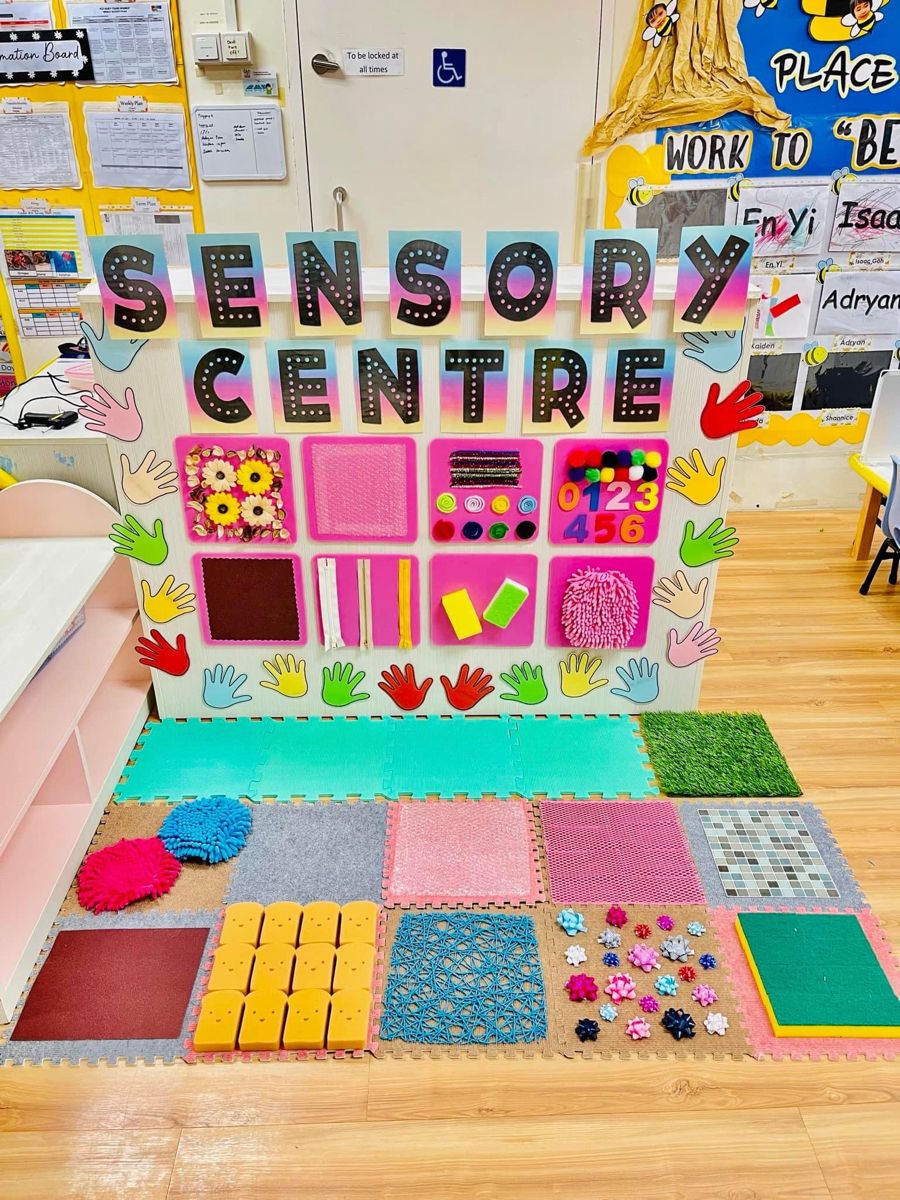
Consider the autistic child who refuses to wear clothing deemed “appropriate” for their assigned gender, not out of defiance, but because the texture, fit, or even the color triggers a sensory overload. Or the teenager who adopts a gender-neutral name not as a political statement, but because their given name feels like a mispronunciation of their identity. These aren’t fleeting phases; they’re expressions of a neurodivergent authenticity that refuses to be boxed in.
The link between autism and gender diversity isn’t merely anecdotal. Research suggests that autistic individuals are more likely to identify as non-binary, transgender, or otherwise outside the gender binary compared to their neurotypical peers. This correlation may stem from a shared cognitive framework—one that prioritizes systemizing over social conformity. Where neurotypical individuals might internalize gender roles as part of their socialization, autistic individuals often approach gender as a construct to be dissected, leading to a more fluid and experimental relationship with identity.
The Body as a Canvas: Sensory and Motor Differences in Gender Expression
Gender expression isn’t just about clothing or pronouns; it’s also about movement, posture, and physical presence. Autistic individuals frequently describe their bodies as instruments out of tune—not because they’re broken, but because the default settings don’t resonate. This can lead to a form of gender expression that is kinesthetic, where identity is communicated through the way one occupies space.
Imagine a person who stimming—repetitive movements like rocking or hand-flapping—finds that these motions align with a gender presentation that feels authentic. Or someone whose gait is naturally wide or asymmetrical, traits that society might label “masculine” or “feminine” but that the individual experiences as neutral. These expressions aren’t performative; they’re embodied truths that resist categorization.
Yet, this freedom is often policed. An autistic person who moves in a way that doesn’t conform to gendered expectations may face stares, comments, or even corrective interventions—from verbal admonishments to physical restraints in educational or therapeutic settings. The challenge isn’t just societal rejection; it’s the erasure of agency. When a child’s natural way of moving is pathologized as a “behavioral issue,” their right to self-determine their gender expression is systematically undermined.
Challenging the Binary: The Role of Communication Differences
Autistic individuals often communicate in ways that prioritize directness, literalness, and unconventional structures. This can extend to gender expression, where identity is articulated not through vague social cues, but through explicit declarations or actions. For example, an autistic person might announce their pronouns with the same matter-of-factness they’d use to state their favorite color, leaving little room for negotiation or misinterpretation.
This directness can be disarming in a world that thrives on ambiguity. While neurotypical individuals might navigate gender through subtle social signals—clothing choices, hairstyles, or mannerisms—autistic individuals often reject these proxies entirely. Their gender expression is unmediated by social niceties, which can be both liberating and isolating. Liberating, because it strips away the performative layers of identity; isolating, because it forces confrontation with a world that isn’t equipped to engage with such raw authenticity.
The challenge here lies in the interpretive gap. A neurotypical observer might misread an autistic person’s gender expression as “confusing” or “unclear,” not because it lacks clarity, but because it doesn’t conform to familiar scripts. This can lead to situations where an autistic person’s identity is dismissed as a “phase” or a “symptom” of their autism, rather than a valid expression of self.
The Double-Edged Sword of Accommodation
Society’s growing awareness of neurodiversity has led to increased efforts to accommodate autistic individuals—flexible dress codes, sensory-friendly spaces, and alternative communication methods. While these accommodations are vital, they can also become double-edged swords when applied to gender expression. For instance, a school that allows autistic students to wear clothing outside the gender binary might still enforce binary restroom policies, creating a dissonance between accommodation and inclusion.
Similarly, therapeutic approaches that prioritize “social skills” training for autistic individuals often include lessons on gender conformity, framing nonconformity as a deficit to be corrected. This not only pathologizes gender diversity but also reinforces the idea that autistic people must earn the right to express themselves authentically. The message is clear: your neurotype grants you accommodations, but your gender expression must still fit within the lines.
The potential challenge here is the co-optation of accommodation. When institutions pat themselves on the back for allowing autistic individuals to exist outside the binary, but only within tightly controlled parameters, they’re not truly accommodating—they’re performing inclusion. The real test of accommodation is whether it allows for the full spectrum of autistic gender expression, without conditions or caveats.
Breaking the Mold: Autistic Role Models in Gender Diversity
Despite the obstacles, autistic individuals have been at the forefront of redefining gender norms. Figures like Juno Roche, an autistic writer and activist, have used their platforms to challenge the intersection of neurodiversity and gender, arguing that autism provides a unique lens for dismantling binary thinking. Roche’s work highlights how autistic people often experience gender not as a fixed identity, but as a fluid continuum, where labels are less important than the freedom to exist in the in-between spaces.
Artists like Artsy Jones, who identifies as autistic and non-binary, create work that explores the tactile and visual dimensions of gender. Their pieces often incorporate mixed media—fabric, metal, digital collage—to reflect the fragmented yet cohesive nature of their identity. These artists aren’t just creating for an audience; they’re offering a mirror to other autistic individuals who may feel isolated in their gender expression.
The rise of autistic-led communities online has also provided safe spaces for exploring gender identity. Platforms like Autistic Twitter and Neurodivergent TikTok are teeming with discussions about gender, where autistic individuals share their experiences without the pressure to conform to neurotypical expectations. These spaces validate the idea that gender isn’t a monolith, and neither is autism.
The Unfinished Revolution: What’s Next for Autistic Gender Expression?
The future of autistic gender expression hinges on two critical shifts: the depathologization of neurodivergent identities and the dismantling of binary gender norms. The first shift requires dismantling the idea that autism is a disorder to be managed, and instead recognizing it as a cognitive variation with its own strengths. The second shift demands a cultural reckoning with the limitations of the gender binary itself.
For autistic individuals, this revolution isn’t just about visibility; it’s about legibility. The world must learn to read their gender expressions not as aberrations, but as valid forms of human diversity. This means moving beyond tokenistic accommodations and toward a society that actively unlearns its biases about both autism and gender.
The challenge, of course, is that revolutions are messy. They require dismantling systems that have been in place for centuries, and they demand patience from those who are tired of waiting. But for autistic individuals who have spent their lives being told their way of being is wrong, the revolution isn’t optional—it’s a necessity.
So, what’s the next step? It starts with listening—not just to the voices that fit neatly into existing frameworks, but to those who are rewriting the frameworks themselves. It means recognizing that the most radical act of gender expression might not be a declaration, but a quiet refusal to perform the roles society has assigned. And it means understanding that the playground of gender isn’t a cage, but a vast, uncharted territory where autistic individuals are leading the way.