The human body is a symphony of signals—each heartbeat a note, each breath a rhythm, each emotion a melody waiting to be heard. For individuals with autism, this symphony can sometimes feel discordant, the volume too loud, the tempo too fast, the harmonies too complex to decipher. Yet, in the quiet hum of technological innovation, a new conductor has emerged: wearable technology. These unassuming devices, worn like second skins, are transforming the way we understand and respond to the sensory and emotional needs of autistic individuals. They are not just tools; they are lifelines, translating the inaudible whispers of the body into a language we can all understand.
Imagine a world where emotions are not just felt but seen, where sensory overload is not just endured but anticipated. This is the promise of wearable tech—a silent guardian that watches, listens, and responds in real time. It is a bridge between the internal chaos and the external calm, a way to decode the unspoken and make the invisible visible. For parents, caregivers, and individuals on the spectrum, these devices offer more than data; they offer clarity, control, and a sense of agency in a world that often feels overwhelming.

The Silent Language of Sensory Overload
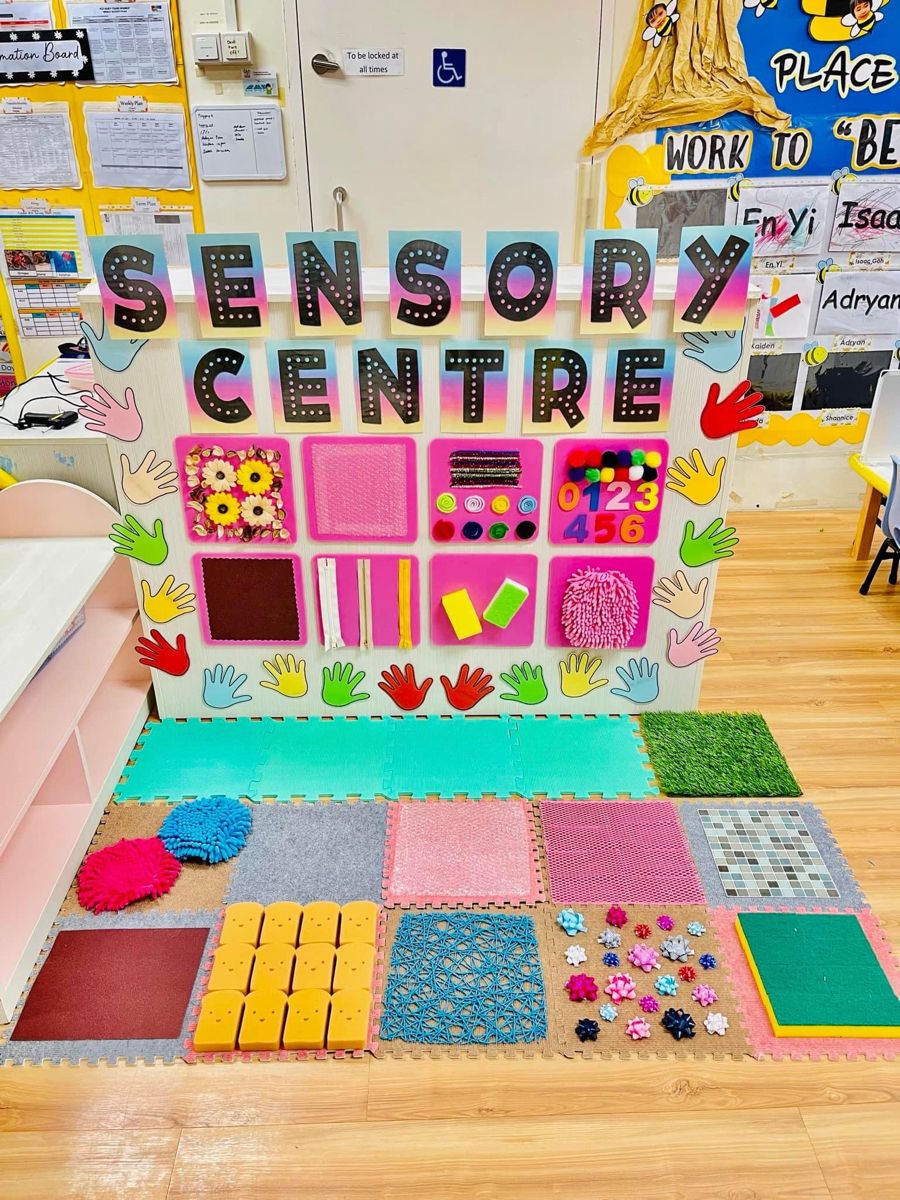
Sensory processing differences are a hallmark of autism, where the brain interprets stimuli in ways that can be either dulled or heightened. A whisper may feel like a shout, a touch like a jolt of electricity, a flickering light like a strobe in a nightclub. Wearable technology steps into this sensory labyrinth as a translator, decoding the body’s signals before they escalate into distress. Devices equipped with galvanic skin response sensors, for instance, can detect spikes in stress levels by measuring subtle changes in perspiration—a physiological response often invisible to the naked eye. When these sensors detect an impending overload, they can trigger alerts or even suggest calming interventions, such as deep breathing exercises or a retreat to a quieter space.
But how does this technology discern between a fleeting moment of discomfort and a full-blown sensory crisis? The answer lies in the art of pattern recognition. Advanced algorithms, trained on vast datasets of physiological responses, learn to distinguish between typical stress responses and those that signal an impending meltdown. It is as if the device develops an intuition, a sixth sense that whispers, “This is not just a bad day—this is a warning.” For parents, this foresight is nothing short of revolutionary, offering a chance to intervene before the storm breaks.
Emotions in Code: Decoding the Unspoken
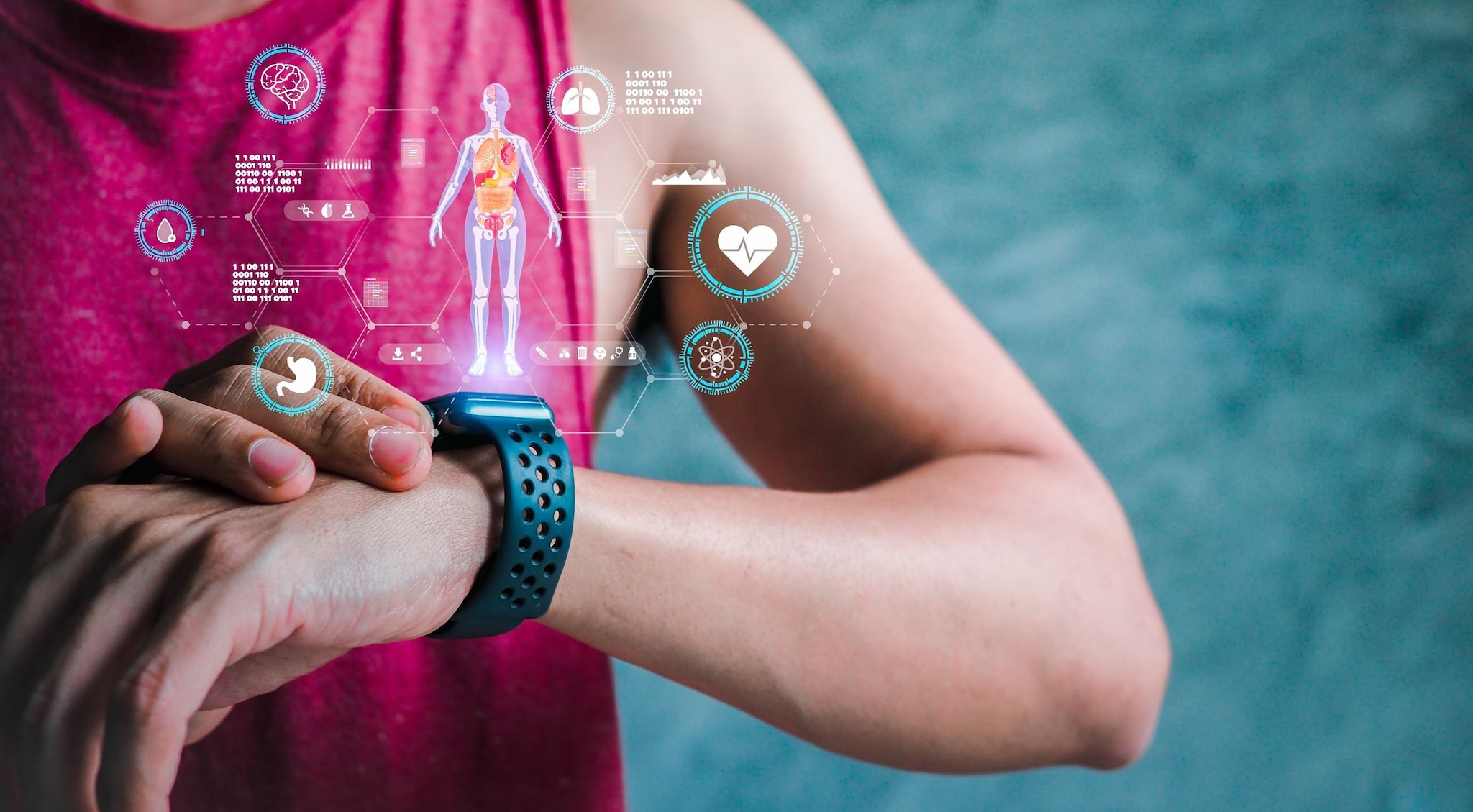
Emotions are the invisible threads that weave through every interaction, yet for autistic individuals, expressing or even recognizing these emotions can feel like navigating a maze without a map. Wearable tech, with its ability to monitor heart rate variability, skin conductance, and even subtle facial micro-expressions, is rewriting this narrative. Devices like smartwatches and biometric wearables can track physiological correlates of emotions—such as a racing heart during anxiety or a drop in temperature during moments of withdrawal—and translate them into actionable insights.
Consider the case of a child who struggles to articulate their feelings of frustration. A wearable device might detect a rapid increase in heart rate and skin conductance, paired with a slight rise in body temperature. The system could then generate a gentle vibration or a visual cue on a paired smartphone, prompting the caregiver to ask, “Are you feeling overwhelmed?” This is not just data collection; it is a conversation starter, a way to give voice to emotions that might otherwise remain trapped inside.

The Guardian of Routine: Predicting and Preventing Disruptions
Routine is the scaffolding that holds many autistic lives together. Yet, even the most meticulously planned day can unravel in an instant—whether due to an unexpected change in environment, a sudden sensory trigger, or an emotional upheaval. Wearable technology acts as a sentinel, monitoring the subtle shifts that precede these disruptions. By analyzing patterns in sleep, movement, and physiological markers, these devices can predict when a meltdown or shutdown might occur, allowing caregivers to intervene proactively.
For example, a smartwatch might notice that a user’s sleep quality has deteriorated over several nights, a common precursor to emotional dysregulation. It could then suggest adjustments to bedtime routines or recommend relaxation techniques. Alternatively, if the device detects an unusual spike in activity levels during a typically calm period, it might alert the user to potential overstimulation before it reaches a critical point. This predictive power turns reactive care into preventive care, shifting the focus from damage control to nurturing stability.
Beyond the Individual: A Tool for Empathy and Understanding
Wearable technology is not just a boon for autistic individuals; it is a bridge that connects them to the world around them. For siblings, teachers, and peers who may struggle to understand the internal experiences of someone with autism, these devices offer a glimpse into a reality that is often invisible. Imagine a classroom where a teacher receives a discreet alert that a student is becoming overstimulated, allowing them to adjust the lesson plan or offer a quiet space. Or a family dinner where a wearable device cues a parent to intervene before a sensory overload escalates into a full-blown crisis.
This technology fosters empathy by making the abstract tangible. It transforms the intangible—emotions, stress, sensory experiences—into data that can be shared, discussed, and acted upon. In doing so, it dismantles the barriers of misunderstanding, replacing judgment with insight and frustration with compassion.
The Ethical Compass: Navigating Privacy and Autonomy
With great power comes great responsibility, and wearable technology is no exception. The ability to monitor physiological and emotional data raises critical questions about privacy, consent, and autonomy. Who owns this data? How is it stored, and who has access to it? For autistic adults, the question of consent is particularly fraught—what if the wearer is unable to fully grasp the implications of sharing their data? These are not mere technicalities; they are ethical dilemmas that demand careful consideration.
Developers and caregivers must prioritize transparency, ensuring that users and their families understand exactly how data is collected, used, and protected. Anonymization techniques, strict data encryption, and clear opt-in/opt-out policies are essential to maintaining trust. Moreover, the technology must be designed with flexibility in mind—allowing users to choose which data to share, when to share it, and with whom. Autonomy is not a luxury; it is a necessity, and wearable tech must honor that principle above all else.
The Future: A Symphony of Human and Machine
The evolution of wearable technology is not just about refining sensors or improving algorithms; it is about creating a symbiotic relationship between human and machine. The ultimate goal is not to replace human intuition with cold, hard data, but to augment it—to provide a second pair of eyes that can see what we cannot, and a second pair of ears that can hear what we miss. In this future, wearable tech is not a crutch but a collaborator, a silent partner in the journey toward greater understanding and well-being.
As these devices become more sophisticated, they may even learn to adapt in real time, offering personalized interventions based on an individual’s unique patterns. Imagine a bracelet that not only detects stress but also delivers a tailored calming stimulus—a gentle vibration at a specific frequency, a soothing scent released from a micro-diffuser, or a guided breathing exercise triggered by a subtle haptic pulse. The possibilities are as limitless as the creativity of the engineers and designers behind them.
In the grand tapestry of human experience, autism is but one thread—a vibrant, complex, and often misunderstood thread. Wearable technology is another, weaving its way through the fabric of care and support. Together, they create a pattern that is greater than the sum of its parts: a world where sensory and emotional needs are not just managed but celebrated, where every individual, regardless of neurology, has the tools to navigate their inner world with confidence and grace.
The symphony is playing. All that remains is for us to listen.