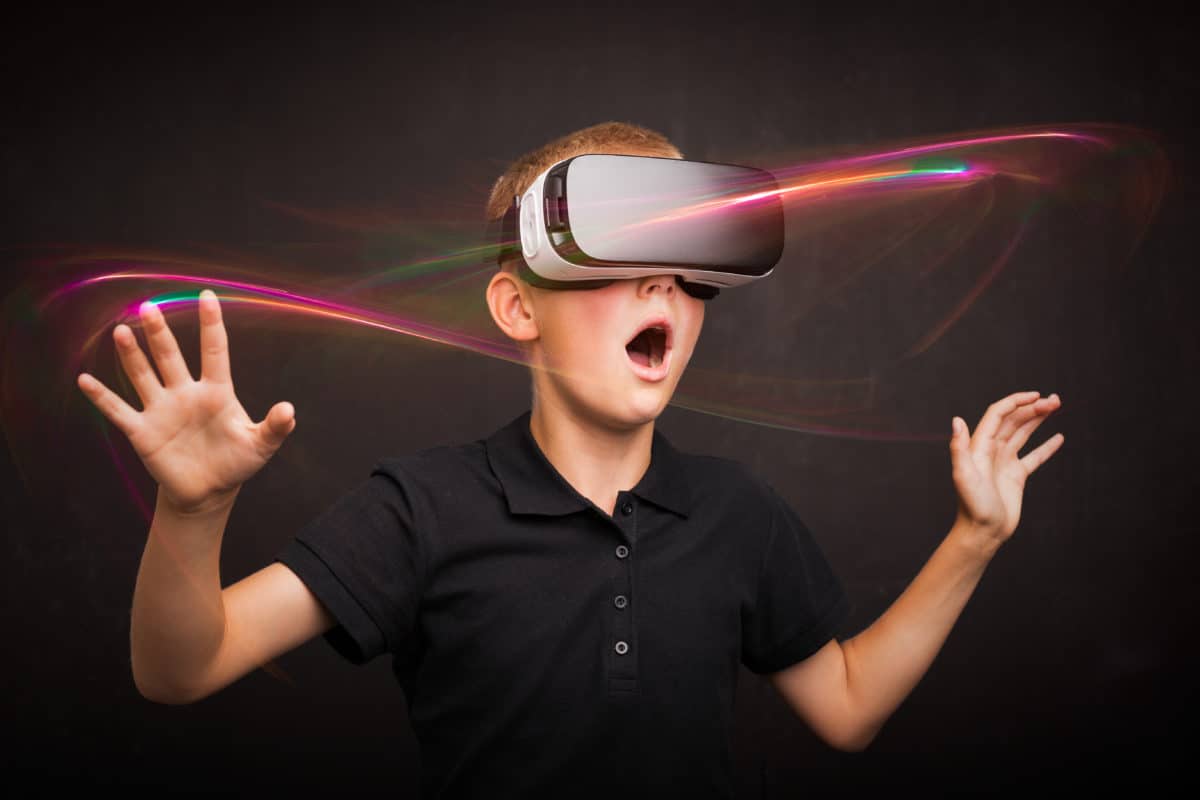
Autism Spectrum Disorder (ASD) presents a mosaic of challenges and opportunities, where traditional therapeutic approaches often intersect with the boundless potential of modern technology. Among the most transformative innovations in recent years is virtual reality (VR), a tool that transcends conventional boundaries to offer immersive, adaptive, and deeply personalized experiences. For individuals on the spectrum, VR therapy and learning environments are not merely digital novelties—they are gateways to enhanced communication, social skill development, and cognitive growth. This article explores the multifaceted applications of VR in autism therapy, the types of content that can be delivered through these platforms, and the profound impact such technologies can have on both individuals and their support networks.
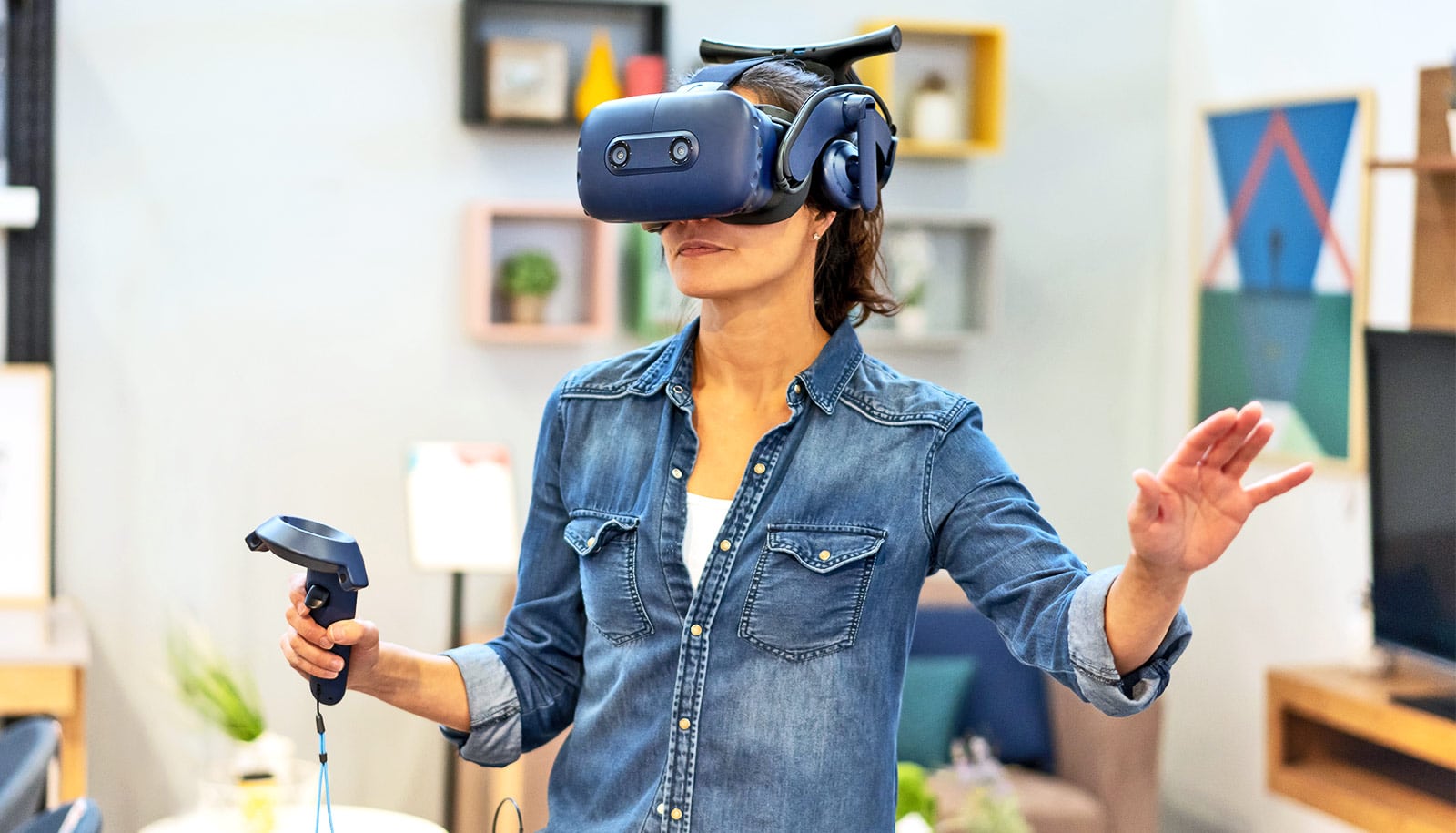
The Evolution of Therapeutic Interventions for Autism
Historically, therapeutic interventions for autism have relied on a blend of behavioral therapies, speech-language pathology, and occupational therapy. While these methods remain foundational, their effectiveness can be limited by factors such as accessibility, engagement, and the ability to generalize skills across different contexts. Virtual reality emerges as a paradigm-shifting solution, offering a controlled yet dynamic environment where individuals can practice and refine skills without the pressures of real-world unpredictability. The immersive nature of VR allows for the creation of scenarios tailored to the unique needs of each learner, whether that involves navigating a bustling café to practice social cues or engaging in a virtual classroom to improve focus and participation.
The integration of VR into autism therapy is not just about replication—it’s about enhancement. By leveraging multisensory feedback, gamification, and real-time data analytics, therapists and educators can craft experiences that are both engaging and measurable. This evolution reflects a broader shift toward personalized medicine, where interventions are not one-size-fits-all but are instead finely tuned to the cognitive and emotional profiles of individuals.
Social Skills Training in Immersive Environments
One of the most compelling applications of VR in autism therapy lies in its ability to simulate social interactions in a safe and repeatable manner. For many individuals with ASD, understanding social cues, maintaining eye contact, or initiating conversations can feel like navigating a labyrinth without a map. VR environments can demystify these challenges by breaking them down into manageable, interactive components. Imagine a virtual playground where a child can practice sharing toys with peers, or a digital replica of a grocery store where an adolescent can rehearse asking for help. These scenarios are not just theoretical—they are meticulously designed to provide immediate feedback, reinforcing positive behaviors through positive reinforcement.
The beauty of VR-based social skills training lies in its adaptability. Environments can be adjusted to reflect the specific needs of the learner, whether that means simplifying visual stimuli for someone with sensory sensitivities or introducing more complex social dynamics for advanced learners. Moreover, the anonymity afforded by VR can reduce anxiety, allowing individuals to experiment with social roles without fear of judgment. Over time, these virtual rehearsals can translate into real-world confidence, bridging the gap between therapy sessions and everyday life.
Cognitive and Sensory Processing Enhancement
Beyond social skills, VR offers a powerful platform for addressing cognitive and sensory processing challenges commonly associated with autism. For individuals who struggle with attention regulation or executive function, VR can create structured, gamified tasks that gradually increase in complexity. A virtual puzzle room, for example, might start with simple matching exercises and progress to multi-step problem-solving challenges, all while providing visual and auditory cues to guide the learner. The ability to control the pace and difficulty of these tasks ensures that each individual remains within their zone of proximal development—neither overwhelmed nor understimulated.
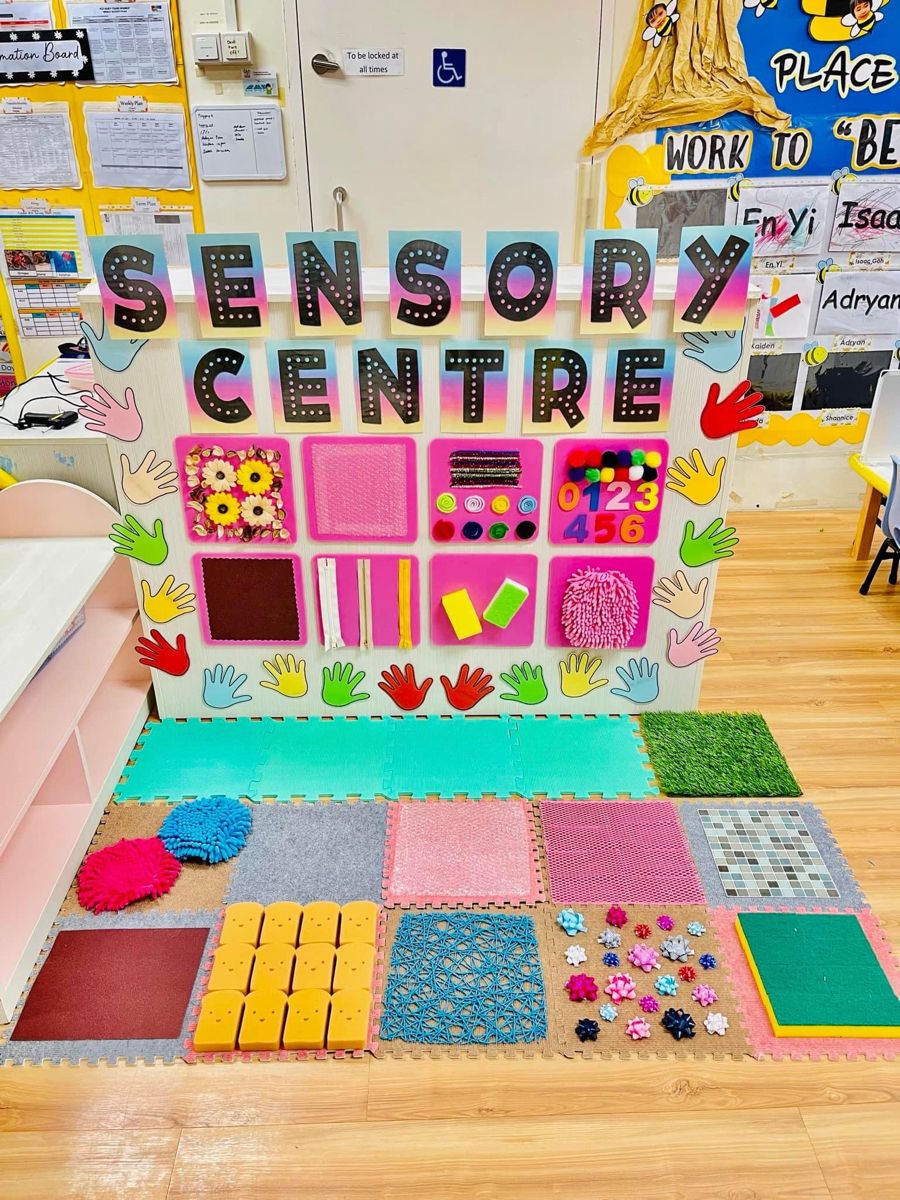
Sensory processing is another area where VR can make a significant impact. Many individuals with autism experience hypersensitivity or hyposensitivity to sensory input, which can hinder their ability to engage with their environment. VR environments can be customized to control the intensity of sensory stimuli, allowing users to gradually acclimate to sounds, lights, or textures in a controlled setting. For instance, a virtual beach scene might start with gentle waves and soft sunlight, then gradually introduce more dynamic elements like crowds or loud noises, helping the user build tolerance and resilience over time.
Emotional Regulation and Anxiety Management
Anxiety is a pervasive challenge for many individuals with autism, often manifesting in specific phobias, social anxiety, or generalized distress. VR therapy can serve as a bridge between exposure therapy and real-world practice, offering a middle ground where individuals can confront their fears in a controlled manner. A child who fears elevators, for example, might first practice entering a virtual elevator, observing the doors close and the floor numbers change, before attempting the real thing. The gradual exposure, combined with relaxation techniques embedded into the VR experience, can help reduce the physiological and emotional responses associated with anxiety.
Moreover, VR can be used to teach emotional regulation strategies in an interactive and memorable way. A virtual coach might guide a user through breathing exercises while visualizing a calming scene, or a scenario might require the user to identify and label emotions in real-time. These experiences are not just educational—they are transformative, equipping individuals with tools they can carry into their daily lives.
Parent and Caregiver Training Through Virtual Reality
The benefits of VR extend beyond direct therapy for individuals with autism. Parents, caregivers, and educators can also leverage VR to gain a deeper understanding of the challenges faced by their loved ones or students. Imagine a parent stepping into a virtual classroom from the perspective of a child with autism, experiencing the overwhelming sensory input and social demands firsthand. Such immersive training can foster empathy, patience, and a more informed approach to support. VR can also serve as a training ground for caregivers to practice specific techniques, such as using visual schedules or implementing sensory diets, in a risk-free environment.

This dual approach—supporting both the individual with autism and their support network—creates a holistic ecosystem where learning and growth are reinforced across multiple contexts. When caregivers are equipped with the same tools and strategies as therapists, the potential for progress multiplies exponentially.
The Future of VR in Autism Therapy: Innovations and Considerations
As VR technology continues to advance, so too do the possibilities for its application in autism therapy. Emerging trends include the integration of artificial intelligence to dynamically adjust scenarios based on user performance, the use of haptic feedback to enhance sensory engagement, and the development of collaborative VR environments where multiple users can interact in shared digital spaces. These innovations promise to make VR therapy even more responsive, engaging, and effective.
However, the adoption of VR in autism therapy is not without its considerations. Accessibility remains a critical factor, as high-quality VR equipment can be costly and may not be readily available in all communities. Additionally, the ethical implications of prolonged screen time and the potential for overstimulation must be carefully managed. Therapists and educators must strike a balance between leveraging the benefits of VR and ensuring that it complements, rather than replaces, traditional therapeutic approaches.
The journey of integrating VR into autism therapy is still in its early stages, but the trajectory is undeniably promising. As research continues to uncover the full potential of immersive technologies, one thing is clear: VR is not just a tool for entertainment or education—it is a catalyst for transformation, offering individuals with autism the opportunity to explore, learn, and thrive in ways that were once unimaginable.
In a world where the boundaries between the physical and digital are increasingly blurred, VR stands as a testament to the power of innovation in unlocking human potential. For those navigating the complexities of autism, it is more than a therapy—it is a lifeline, a bridge, and a beacon of hope.