In the labyrinth of human cognition, where the echoes of neurodiversity resonate with both challenge and brilliance, a silent revolution is unfolding. Artificial Intelligence (AI) is no longer a distant specter of science fiction but a tangible ally in reshaping the landscape of autism support. For decades, society has grappled with the complexities of autism spectrum disorder (ASD), a neurodevelopmental tapestry woven with threads of unique strengths and formidable obstacles. Yet, as AI continues to evolve, it promises not just incremental improvements but a seismic shift in how we perceive, support, and empower individuals on the spectrum. This transformation is not merely about technological advancement; it is about rewriting the narrative of possibility.
Imagine a world where the barriers to social interaction dissolve not through sheer willpower alone, but through the adaptive, intuitive guidance of intelligent systems. Picture a child with autism, once overwhelmed by the cacophony of a bustling classroom, now navigating social cues with the precision of a finely tuned algorithm. This is the promise of AI—a promise that extends beyond mere assistance to redefine the very fabric of human connection. From real-time emotion recognition to personalized learning platforms, AI is carving pathways where none seemed to exist before. But how does this technology translate into tangible support? And what does it mean for the future of autism advocacy and intervention?
The Alchemy of AI: Transforming Social Skills Through Data and Empathy
At the heart of AI’s potential lies its ability to decode the unspoken language of human emotion. For individuals with autism, who often experience the world through a lens of heightened sensory input and literal interpretation, social interactions can feel like deciphering an ancient, cryptic script. AI steps into this void with a toolkit of advanced algorithms designed to recognize facial expressions, vocal intonations, and even micro-gestures that might elude human perception. These systems, trained on vast datasets of neurotypical and autistic behaviors, can offer real-time feedback, helping users interpret subtle social signals with greater accuracy.
Consider the case of emotion recognition software, which analyzes facial expressions in real time. For a child struggling to understand why a peer’s furrowed brow signals confusion or frustration, AI can serve as a bridge, translating these cues into digestible insights. The technology doesn’t just stop at recognition; it adapts. Machine learning models continuously refine their understanding based on individual responses, creating a personalized feedback loop that evolves alongside the user. This dynamic interaction fosters a sense of agency, allowing individuals with autism to experiment with social scenarios in a low-stakes environment before applying their newfound skills in the real world.
Yet, the alchemy of AI extends beyond mere translation. It also holds the power to democratize social skills training. Traditional therapy, while invaluable, is often constrained by accessibility, cost, and the limited availability of trained professionals. AI-driven platforms, however, can scale effortlessly, reaching remote communities or individuals who might otherwise go underserved. Imagine a virtual mentor, available 24/7, guiding users through the nuances of conversation, turn-taking, and emotional reciprocity. This is not a replacement for human connection but a complement—a way to augment and extend the reach of therapeutic support.
Beyond the Screen: AI in the Real World of Autism Support
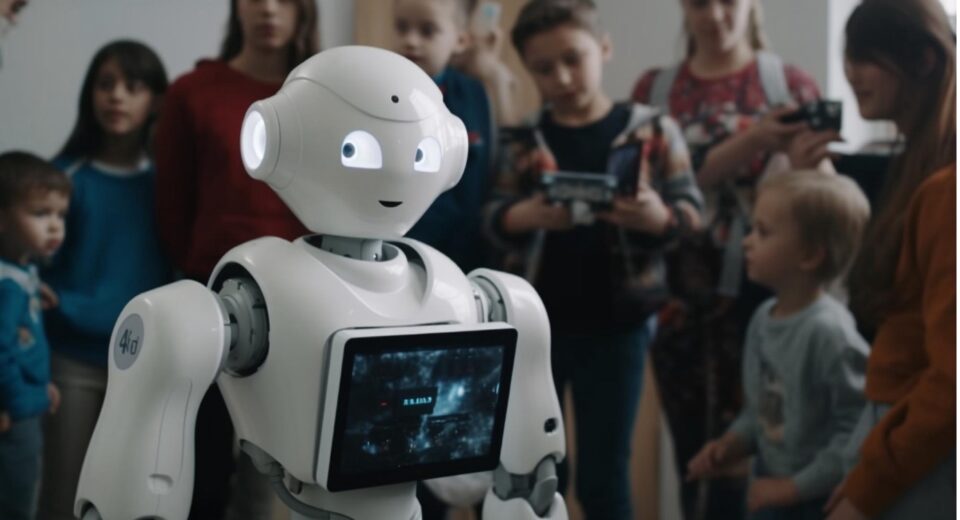
The integration of AI into autism support is not confined to digital spaces. In the physical world, robots and smart devices are emerging as unexpected allies. Social robots, designed with child-friendly interfaces and adaptive behaviors, are being deployed in therapeutic settings to engage individuals with autism in structured interactions. These robots, often programmed to mimic human-like expressions and responses, provide a predictable and non-judgmental environment for practicing social skills. Their mechanical consistency can be reassuring for those who struggle with the unpredictability of human interactions.
Take, for example, the use of AI-powered robots in speech therapy. These robots can engage in repetitive drills, adjust their speech patterns based on the user’s responses, and even incorporate gamification to make learning more engaging. For a child with autism who finds traditional therapy sessions daunting, the presence of a robot—with its unwavering patience and adaptability—can transform a stressful experience into an opportunity for growth. The robot doesn’t tire, doesn’t judge, and doesn’t rush. It simply adapts, offering a level of consistency that is often missing in human-led interactions.
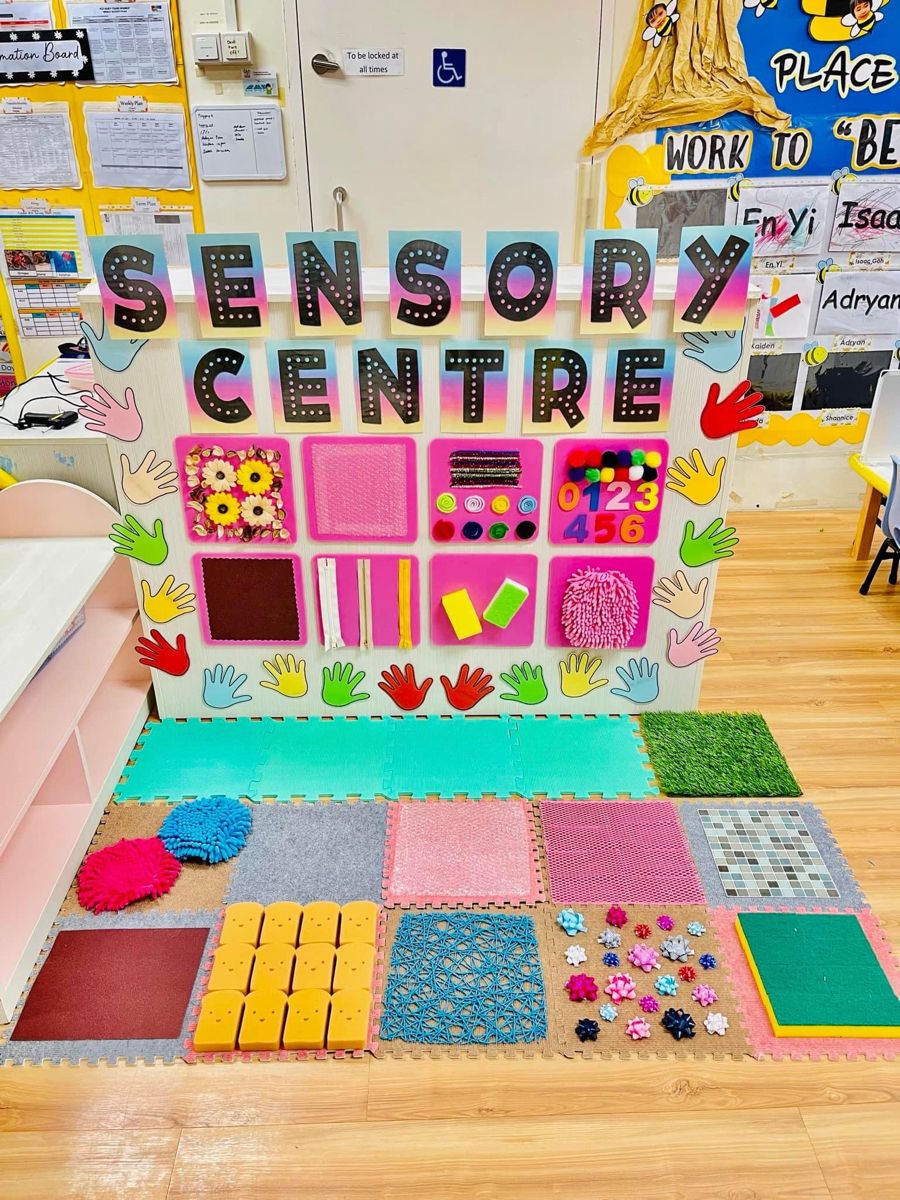
Moreover, AI is making inroads into the realm of sensory support. Many individuals with autism experience sensory overload, a condition that can make everyday environments feel overwhelming. Smart home devices equipped with AI can monitor environmental stimuli—such as lighting, sound, or temperature—and adjust them in real time to create a more comfortable space. Imagine a home that dims harsh lights when they become too intense or mutes sudden noises before they trigger a meltdown. This proactive approach to sensory regulation is a testament to AI’s potential to create environments that are not just supportive but anticipatory.
The Ethical Tapestry: Navigating the Challenges of AI in Autism Support
Yet, with great promise comes great responsibility. The integration of AI into autism support is not without its ethical quandaries. One of the most pressing concerns is the issue of consent and autonomy. How do we ensure that individuals with autism—particularly those who may struggle with communication—are active participants in decisions about the AI tools they use? The answer lies in co-design, a collaborative approach where individuals with autism, their families, and caregivers are involved in the development and implementation of these technologies. This ensures that the tools are not just imposed but tailored to meet real needs.
Another challenge is the potential for over-reliance on AI. While these tools can be incredibly effective, they should not replace human connection entirely. The goal is not to create a world where individuals with autism interact solely with machines but to use AI as a stepping stone toward greater independence and confidence in human interactions. There is also the risk of bias in AI algorithms. If the datasets used to train these systems are not diverse or representative, the tools may inadvertently reinforce stereotypes or fail to address the unique needs of different individuals on the spectrum. Rigorous testing and continuous refinement are essential to mitigate these risks.
Privacy is yet another critical consideration. AI systems that collect and analyze behavioral data must do so with the utmost transparency and security. Users and their families must have control over their data, with clear options to opt out or delete information. The ethical deployment of AI in autism support requires a delicate balance between innovation and safeguarding the rights and dignity of those it aims to serve.
From Promise to Practice: The Future of AI in Autism Advocacy
The future of AI in autism support is not a distant dream but a rapidly unfolding reality. As technology advances, so too does the potential for more nuanced and effective interventions. One exciting frontier is the development of AI-driven predictive models that can anticipate the needs of individuals with autism before challenges arise. For instance, an AI system might detect early signs of anxiety in a user’s voice patterns or body language and suggest calming techniques or environmental adjustments proactively. This shift from reactive to predictive support could revolutionize the way we approach autism care.
Another promising area is the integration of AI with virtual reality (VR). VR environments can simulate real-world scenarios in a controlled setting, allowing individuals with autism to practice social interactions, navigate public spaces, or even role-play job interviews. AI can enhance these simulations by providing real-time feedback, adjusting the difficulty level based on the user’s progress, and even introducing unexpected variables to test adaptability. This combination of AI and VR offers a safe, immersive, and highly customizable training ground.
Moreover, AI is poised to play a pivotal role in research and advocacy. By analyzing large datasets of behavioral patterns, AI can help identify trends and gaps in current support systems, informing policy decisions and resource allocation. It can also amplify the voices of individuals with autism by providing tools for self-advocacy, such as AI-powered communication aids or platforms for sharing personal stories. In this way, AI becomes not just a tool for intervention but a catalyst for systemic change.

The journey of AI in autism support is still in its infancy, but the trajectory is undeniably upward. It challenges us to rethink our assumptions about neurodiversity, to embrace technology as a force for inclusion, and to envision a future where every individual, regardless of their neurology, has the tools they need to thrive. This is not about creating a world where everyone conforms to a single standard of “normal.” It is about celebrating differences while ensuring that those differences do not become barriers.
As we stand on the precipice of this technological revolution, it is crucial to remember that AI is not a panacea. It is a tool—a powerful one, but a tool nonetheless. Its success will depend on how thoughtfully and ethically we wield it. For individuals with autism, AI offers a glimmer of hope, a promise that the world can be more accommodating, more understanding, and more inclusive. It is a promise worth pursuing, one breakthrough at a time.