In the vast, uncharted territory of human cognition, autism presents a landscape as intricate as a fractal—each branch of behavior, each nuance of perception, a self-similar pattern repeating across the spectrum. Yet, within this complexity lies an opportunity: the potential to harness machine learning not merely as a tool, but as a compass, guiding personalized interventions that resonate with the individual rhythms of each autistic mind. Like a masterful conductor tuning an orchestra, machine learning can attune itself to the unique frequencies of sensory processing, communication styles, and cognitive patterns, transforming abstract data into meaningful, actionable insights. This fusion of neurodiversity and artificial intelligence is not just a technological leap—it is a paradigm shift, redefining how we understand, support, and empower autistic individuals.
The Autistic Mind as a Unique Data Set
Every autistic individual is, in essence, a living data set—rich with idiosyncrasies, strengths, and challenges that defy one-size-fits-all categorization. Sensory sensitivities, for instance, are not merely preferences but deeply ingrained patterns of neural processing. A hum of fluorescent lighting might be a minor irritation to one person, yet a cacophony of pain to another. Machine learning thrives on such granularity. By analyzing biometric data—heart rate variability, galvanic skin response, or even subtle facial micro-expressions—algorithms can detect patterns in real time, identifying triggers before they escalate into overwhelming distress. This is not about reducing human experience to numbers; it is about translating the ineffable into actionable intelligence, allowing caregivers and educators to respond with precision rather than guesswork.
Consider the case of a nonverbal autistic child who communicates through subtle gestures or vocalizations. Traditional interventions often rely on subjective interpretation, but machine learning can parse these signals with remarkable accuracy. Wearable devices equipped with accelerometers and microphones can detect patterns in movement or sound that correlate with specific needs—whether hunger, discomfort, or a desire for social interaction. The result? A world where communication barriers dissolve not through force or coercion, but through the gentle, persistent refinement of understanding.
Personalized Learning: The Alchemy of Adaptive Education
Education, when stripped of its rigid structures, becomes a fluid, dynamic process—one where the curriculum bends to the learner, not the other way around. Machine learning excels in this domain by constructing adaptive learning environments that evolve in real time. Imagine an educational platform that doesn’t just track progress but anticipates cognitive fatigue, adjusts pacing, and even suggests alternative teaching methods based on a student’s engagement metrics. For autistic learners, who often thrive in structured yet flexible environments, this is nothing short of revolutionary.
Visual schedules, for example, are a cornerstone of support for many autistic individuals. Yet, static schedules can become obsolete as routines shift or new challenges arise. Machine learning can dynamically update these schedules, incorporating real-time feedback from the learner’s interactions. If a student consistently struggles with a particular task at 10 AM, the system might suggest a sensory break or a different approach—perhaps gamifying the lesson to enhance motivation. The goal is not to force compliance but to cultivate a sense of agency, where the learner feels seen, understood, and in control.
Sensory Worlds: Crafting Environments Through Predictive Modeling
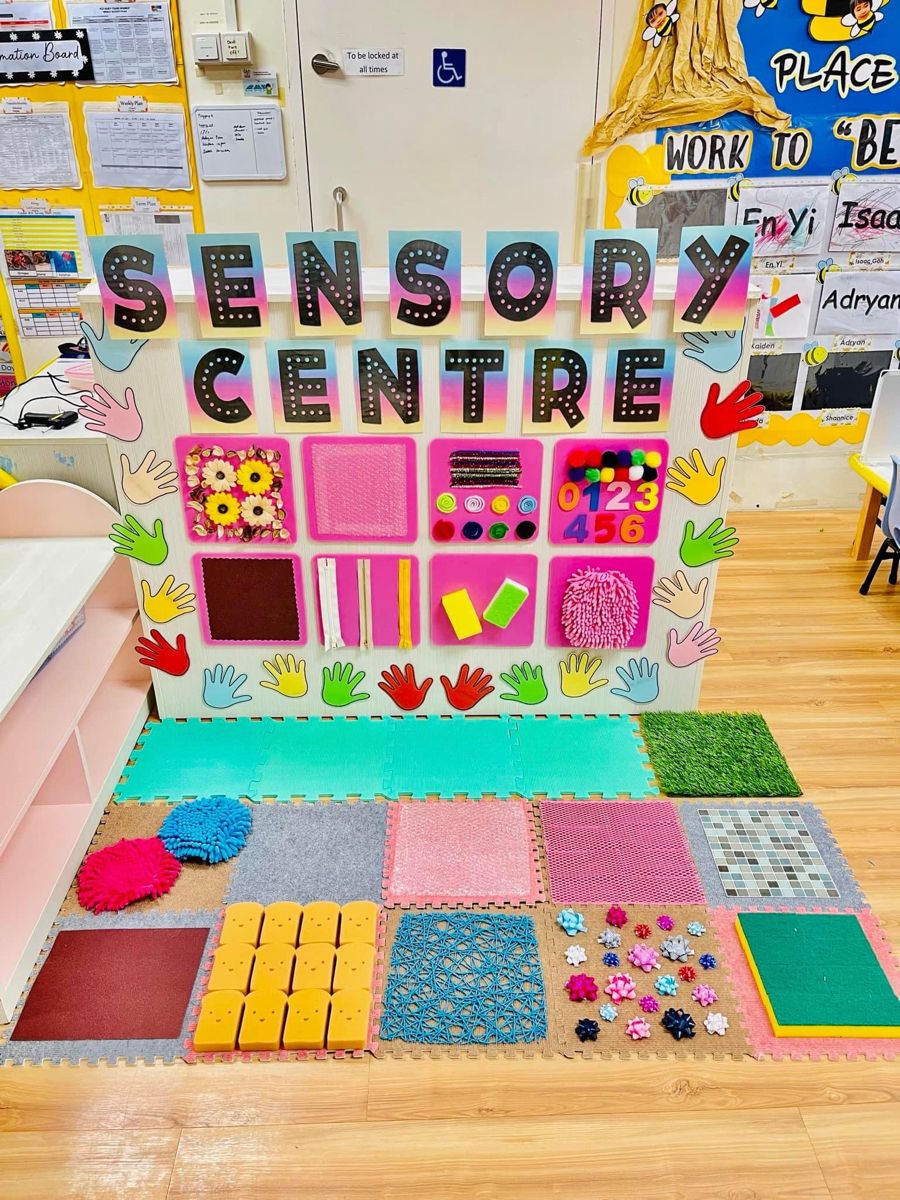
Sensory experiences are the raw material of autistic perception, and yet, they are often treated as secondary to other developmental goals. Machine learning challenges this hierarchy by placing sensory needs at the forefront of intervention design. Predictive modeling can simulate how an autistic individual might perceive a given environment—whether a classroom, a home, or a public space—and suggest modifications before discomfort arises. This proactive approach transforms spaces from static backdrops into dynamic, responsive ecosystems.
For instance, a classroom equipped with IoT sensors can adjust lighting, sound levels, and even furniture placement based on real-time data. If a student shows signs of overstimulation, the system might dim the lights, introduce white noise, or provide a quiet corner—all without disrupting the flow of learning. The result is an environment that doesn’t just accommodate differences but celebrates them, fostering a sense of safety and belonging.
The Social Scaffolding: AI as a Bridge, Not a Replacement
Social interactions are often framed as a deficit in autism, but this perspective overlooks the richness of alternative communication styles. Machine learning can act as a social translator, decoding subtle cues and offering real-time feedback to both autistic individuals and their peers. For example, an AI-driven app might analyze a conversation and suggest alternative phrasing or topics based on the autistic user’s preferences, reducing the cognitive load of social navigation.
Yet, the true power of AI lies in its ability to facilitate connection without erasing authenticity. Consider a virtual reality environment where autistic individuals can practice social scenarios in a low-stakes setting. Machine learning can generate adaptive responses, but the goal is not to “normalize” behavior; it is to build confidence and competence in a way that feels organic. The AI is not a crutch—it is a scaffold, temporary and adjustable, that empowers the user to navigate the social world on their own terms.
Ethics and Empathy: The Delicate Balance
With great power comes great responsibility, and machine learning in the context of autism is no exception. The ethical considerations are as complex as the algorithms themselves. Privacy, consent, and the risk of over-reliance on technology must be carefully weighed. For instance, while wearable devices can provide invaluable data, they also raise questions about surveillance and autonomy. How do we ensure that the data collected is used to empower rather than control? How do we balance the need for intervention with the right to self-determination?
These questions demand a human-centered approach, where technology serves as a tool for collaboration rather than a replacement for human judgment. The most effective interventions are those that combine the precision of machine learning with the empathy of human caregivers. It is not about replacing the therapist, the teacher, or the parent—it is about equipping them with insights that deepen their understanding and enhance their ability to connect.
The Future: A Symphony of Human and Machine
As we stand on the precipice of this technological frontier, the future of autism intervention is not a dystopian landscape of cold, unfeeling machines. Instead, it is a symphony—a harmonious blend of human intuition and artificial intelligence, where each note resonates with purpose. Machine learning does not seek to “fix” autism; it seeks to illuminate the unique pathways of each autistic mind, offering tools that amplify strengths and mitigate challenges.
This is not a future where technology dictates the terms of human experience. It is a future where technology listens, adapts, and responds—where the autistic individual is not a problem to be solved but a masterpiece to be understood. In this world, interventions are not imposed but co-created, shaped by data yet guided by empathy. It is a future where the fractal patterns of autism are not smoothed into uniformity but celebrated in all their complexity.
The journey is just beginning. With each algorithm refined, each dataset enriched, we move closer to a reality where no autistic individual is left adrift in a sea of incomprehension. Instead, they are anchored by insights, guided by understanding, and empowered by the tools that recognize their worth. This is the promise of machine learning—not as a cold, calculating force, but as a compassionate ally in the quest to unlock human potential.