Autism advocacy is more than a movement; it is a lifeline for millions navigating a world that often misunderstands their needs. Whether you are a parent, educator, professional, or individual on the spectrum, stepping into advocacy can feel daunting. Yet, it begins with a single step—one that transforms awareness into action. This guide illuminates the path forward, offering practical insights into the types of content that can empower you to advocate effectively. From educational resources to storytelling, each form of content plays a vital role in fostering understanding and driving change.
Before diving into the specifics, it’s essential to recognize that advocacy is not a monolith. It adapts to the needs of the community it serves, whether through policy reform, public awareness, or personal empowerment. The content you create or consume should reflect this diversity, ensuring that every voice is heard and every perspective is valued. Let’s explore the different types of content that can shape your advocacy journey.
The Power of Educational Content: Building Foundations of Understanding
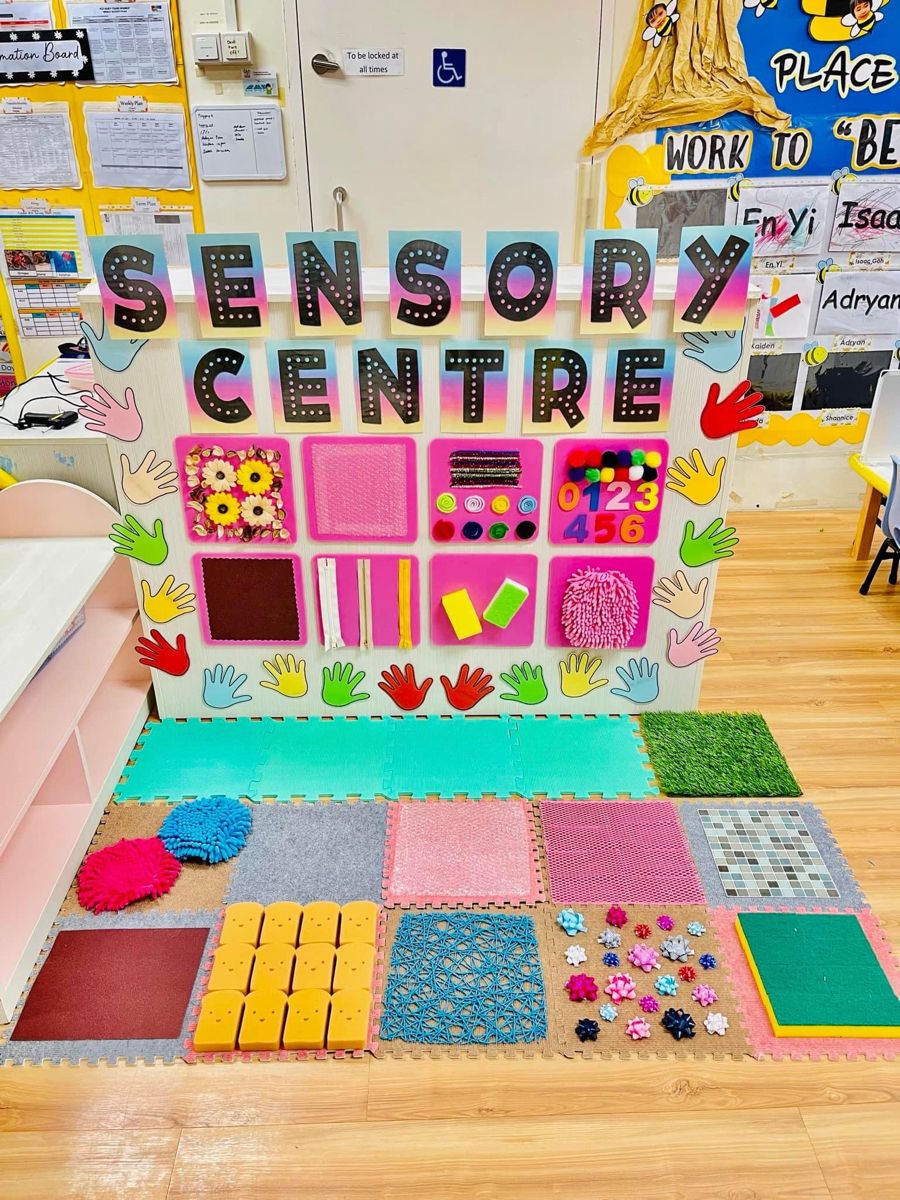
Educational content serves as the bedrock of autism advocacy. It dismantles myths, clarifies misconceptions, and provides actionable knowledge for readers at all levels. Articles, guides, and explainer videos are invaluable tools for demystifying autism spectrum disorder (ASD). For instance, a well-researched article on the nuances of sensory processing differences can help educators tailor their teaching methods, while a guide on early intervention strategies can empower parents to seek timely support for their children.
Consider incorporating infographics that visually represent key statistics, such as the prevalence of autism or the benefits of inclusive education. These snippets of information are easily digestible and shareable, making them ideal for social media campaigns. Additionally, webinars and online courses offer deeper dives into specialized topics, such as the intersection of autism and mental health or the legal rights of individuals with ASD. By curating or creating such content, you position yourself as a trusted resource, bridging gaps between knowledge and action.
Another facet of educational content is myth-busting. Autism is often shrouded in stereotypes, from the misconception that it is a childhood disorder to the belief that individuals on the spectrum lack empathy. Crafting content that dismantles these myths not only educates but also fosters empathy. For example, a blog post titled “Autism Myths Debunked: Separating Fact from Fiction” can challenge long-held beliefs and encourage readers to reconsider their assumptions. The goal is to replace ignorance with insight, one article at a time.
Storytelling: The Heartbeat of Advocacy
While data and statistics provide critical insights, storytelling breathes life into advocacy. Personal narratives humanize the experience of living with autism, making abstract concepts tangible and relatable. Whether it’s a firsthand account of an autistic adult navigating workplace challenges or a parent’s journey through the diagnostic process, these stories resonate deeply with readers. They evoke emotions, spark conversations, and drive home the importance of systemic change.
Consider featuring a series of interviews with autistic individuals, each sharing their unique perspectives on advocacy. These could range from their experiences with healthcare disparities to their triumphs in education and employment. Alternatively, a collection of essays written by siblings of autistic individuals can highlight the often-overlooked perspectives within families. The key is to amplify voices that are frequently marginalized, ensuring that the narrative reflects the diversity of the autism community.
Visual storytelling, too, holds immense power. Photographs, illustrations, and short films can capture moments that words alone cannot. For example, a photo essay documenting the daily lives of autistic individuals in different cultural contexts can challenge stereotypes and foster cross-cultural understanding. Similarly, animated videos can simplify complex topics, such as the importance of accommodations in schools, making them accessible to younger audiences. By weaving storytelling into your advocacy efforts, you create a tapestry of experiences that educates, inspires, and mobilizes.
Policy and Legal Advocacy: Turning Awareness into Action
Advocacy extends beyond education and storytelling; it demands tangible change through policy and legal reform. Content in this realm focuses on equipping readers with the knowledge and tools to navigate bureaucratic systems, advocate for legislative changes, and hold institutions accountable. For instance, a comprehensive guide on how to contact legislators or draft a letter to a school board can empower individuals to take direct action. Similarly, articles that break down complex legislation, such as the Individuals with Disabilities Education Act (IDEA), can demystify the legal landscape for parents and professionals alike.
Another critical aspect is highlighting successful advocacy campaigns. Case studies that detail how communities have lobbied for inclusive policies—such as sensory-friendly hours in public spaces or expanded vocational training programs—can serve as blueprints for others. These stories not only celebrate progress but also provide practical strategies for replication. Additionally, content that addresses systemic barriers, such as the underdiagnosis of autism in marginalized communities or the lack of adult services, can galvanize readers to push for equitable solutions.
Interactive tools, such as petitions, advocacy toolkits, and legislative trackers, can further enhance engagement. A toolkit that includes sample emails, talking points, and contact information for key decision-makers simplifies the process of advocacy, making it accessible to those who may feel overwhelmed. By combining informative content with actionable resources, you transform passive readers into active changemakers.

Community Engagement: Fostering Connection and Collaboration
Advocacy thrives in communities where individuals feel seen, heard, and supported. Content that fosters connection—whether through forums, social media groups, or local events—creates spaces for dialogue and collaboration. For example, a blog post inviting readers to share their advocacy goals can spark conversations and encourage readers to find common ground. Similarly, a calendar of upcoming webinars, workshops, and conferences can help individuals stay informed and engaged with the broader advocacy landscape.
Social media plays a pivotal role in community engagement. Platforms like Twitter, Instagram, and Facebook can amplify advocacy efforts by sharing bite-sized content, such as infographics, quotes, and personal stories. Hashtags like #ActuallyAutistic or #AutismAdvocacy can help readers connect with like-minded individuals and discover new resources. Additionally, hosting live Q&A sessions with experts or autistic individuals can foster real-time dialogue, breaking down barriers between advocates and their audiences.
Local initiatives, too, are vital. Content that highlights grassroots efforts—such as parent-led support groups, sensory-friendly movie nights, or advocacy training sessions—can inspire readers to take action in their own communities. By showcasing these efforts, you demonstrate that advocacy is not a distant concept but a tangible, everyday practice. Whether it’s a guide on how to start a local advocacy group or a list of organizations to partner with, community-focused content empowers readers to become catalysts for change in their own neighborhoods.
Self-Advocacy: Empowering Individuals to Speak Up
At the core of autism advocacy is the principle of self-advocacy—the idea that individuals with autism have the right to speak for themselves and shape their own futures. Content in this category focuses on equipping autistic individuals with the skills, confidence, and resources to advocate for their needs. For example, a guide on effective communication strategies can help individuals articulate their preferences in educational or workplace settings. Similarly, articles on navigating healthcare systems or understanding legal rights can empower readers to take control of their own lives.
Peer mentorship programs are another powerful tool. Content that features stories of autistic individuals who have successfully advocated for themselves—whether in school, at work, or in personal relationships—can serve as inspiration. These narratives not only validate the experiences of others but also provide practical insights into overcoming challenges. Additionally, workshops and webinars on topics like self-determination, assertiveness training, and goal-setting can equip individuals with the tools they need to advocate effectively.
It’s also important to address the barriers to self-advocacy, such as societal stigma, lack of access to resources, or internalized shame. Content that tackles these issues head-on can help readers recognize their own worth and potential. For instance, a blog post titled “Breaking the Silence: Why Self-Advocacy Matters” can challenge readers to confront their fears and embrace their voices. By fostering a culture of self-advocacy, you contribute to a future where individuals with autism are not just supported but celebrated.
Conclusion: The Ripple Effect of Advocacy
Autism advocacy is a journey—one that begins with a single step and grows through collective effort. Whether through educational content, storytelling, policy reform, community engagement, or self-advocacy, each type of content plays a unique role in driving change. By embracing this diversity, you contribute to a movement that is as dynamic and multifaceted as the autism community itself. Remember, advocacy is not a destination but a continuous process of learning, growing, and advocating. Start where you are, use what you have, and do what you can. The world needs your voice.