The human brain is a marvel of biological engineering, a labyrinth of neural networks where trillions of synapses—those infinitesimal junctions between neurons—orchestrate the symphony of thought, emotion, and behavior. Yet, for individuals on the autism spectrum, this intricate connectivity often deviates from the conventional blueprint, giving rise to what neuroscientists term synaptic dysfunction. This phenomenon, far from being a mere aberration, is a cornerstone of understanding autism spectrum disorders (ASDs), offering profound insights into the cognitive and behavioral differences that define them. As we delve into the complexities of synaptic pruning, neural hyperconnectivity, and the molecular underpinnings of these disruptions, we uncover not just the challenges faced by those with autism but also the extraordinary adaptability of the human brain.
To grasp the significance of synaptic dysfunction in autism, one must first appreciate the role of synapses in typical brain development. Synapses are the communication channels of the nervous system, where neurotransmitters ferry signals between neurons. During early brain development, an overabundance of these connections is formed—a process known as exuberant synaptogenesis. However, as the brain matures, a critical phase called synaptic pruning occurs, wherein weaker or redundant connections are eliminated, streamlining neural circuits for efficiency. In autism, this pruning process often falters, leading to either an excess of synapses or an imbalance in their strength and function. This dysregulation can manifest in a variety of ways, from sensory hypersensitivities to difficulties in social interaction, painting a picture of a brain that perceives and processes the world differently.
The Neurobiology of Synaptic Dysfunction: A Molecular Tapestry
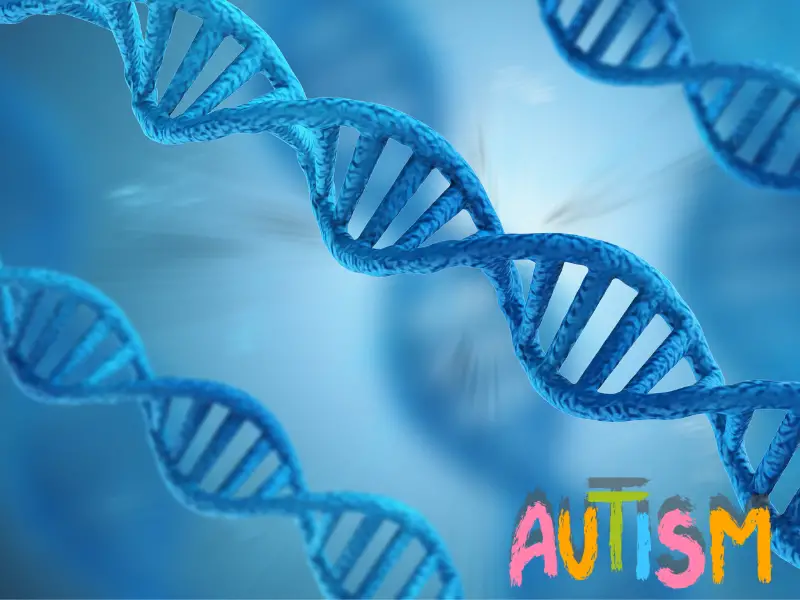
The molecular mechanisms underlying synaptic dysfunction in autism are as diverse as they are intricate. One of the most studied pathways involves the neurexin-neuroligin complex, a pair of proteins that act as synaptic “Velcro,” binding neurons together and facilitating communication. Mutations in the genes encoding these proteins, such as NRXN1 and NLGN3, have been linked to autism, disrupting the delicate balance of excitatory and inhibitory signaling in the brain. This imbalance is further exacerbated by alterations in other synaptic proteins, including SHANK3 and PTEN, which play pivotal roles in dendritic spine formation and synaptic plasticity.
Another critical player in this molecular drama is the mTOR pathway, a cellular signaling cascade that regulates cell growth, proliferation, and synaptic strength. Hyperactivation of mTOR has been observed in several autism-associated conditions, such as tuberous sclerosis complex (TSC) and fragile X syndrome (FXS). This overactivation can lead to an overproduction of synapses, a phenomenon known as macrocephaly, where the brain’s size is disproportionately large. Conversely, in other cases, synaptic pruning may be accelerated, resulting in a paucity of connections and a brain that is structurally and functionally atypical. These molecular disruptions are not isolated incidents but part of a broader narrative of synaptic dysfunction that shapes the autistic experience.

Synaptic Pruning and the Paradox of Hyperconnectivity
Synaptic pruning is a double-edged sword in the context of autism. While it is essential for refining neural circuits, its dysregulation can lead to paradoxical outcomes. In some individuals with autism, the brain exhibits hyperconnectivity, where local neural networks are overly dense, leading to enhanced processing within specific regions but impaired integration across broader networks. This localized hyperconnectivity may explain the exceptional attention to detail and specialized skills often observed in autistic individuals, such as savant abilities in mathematics or music. Conversely, hypoconnectivity—where long-range connections between distant brain regions are weakened—can result in difficulties with global information processing, contributing to challenges in social cognition and executive function.
The paradox of hyperconnectivity versus hypoconnectivity underscores the heterogeneity of autism. Not all autistic brains are wired the same way; some may exhibit a mix of both patterns, depending on the brain region and developmental stage. For instance, the default mode network, a system active during rest and self-referential thought, often shows reduced connectivity in autism, which may underlie difficulties in perspective-taking and social imagination. Meanwhile, sensory cortices may display heightened local connectivity, leading to the sensory sensitivities that are so common in autism. This mosaic of connectivity patterns highlights the need for personalized approaches in both research and intervention.
From Synapses to Behavior: The Cognitive and Emotional Landscape
The behavioral manifestations of synaptic dysfunction in autism are as varied as the individuals themselves. Sensory processing differences, for example, can stem from atypical synaptic pruning in sensory cortices, where an overabundance of connections leads to heightened sensitivity to stimuli such as sound, light, or texture. This sensory overload can be overwhelming, contributing to the avoidance behaviors often seen in autistic individuals. Conversely, underconnectivity in sensory pathways may result in hyposensitivity, where individuals seek out intense sensory experiences to compensate for reduced input.
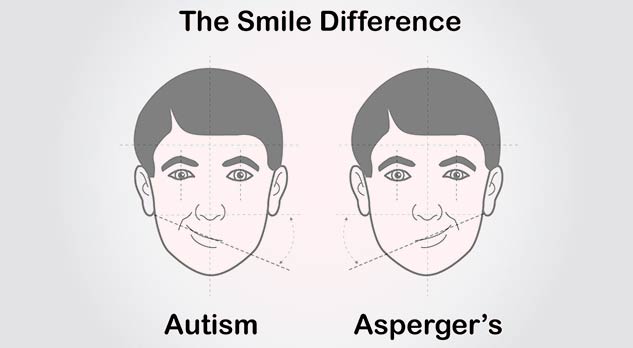
Social cognition, too, is deeply intertwined with synaptic function. The fusiform face area, a brain region critical for facial recognition, often shows reduced activation in autism, which may explain the difficulties in recognizing and interpreting facial expressions. Similarly, the mirror neuron system, which plays a role in empathy and imitation, may be less responsive, contributing to challenges in social reciprocity. These neural differences are not indicative of a lack of social interest but rather a different way of processing and responding to social cues. Understanding these nuances is crucial for developing interventions that respect the autistic experience rather than pathologizing it.

Therapeutic Horizons: Targeting Synaptic Dysfunction
The quest to address synaptic dysfunction in autism has led to a burgeoning field of therapeutic innovation. Pharmacological interventions, such as mTOR inhibitors like rapamycin, are being explored to normalize synaptic pruning in conditions like TSC and FXS. Similarly, oxytocin, a neuropeptide involved in social bonding, has shown promise in enhancing social cognition by modulating synaptic plasticity. Behavioral therapies, too, play a pivotal role, with approaches like Applied Behavior Analysis (ABA) and occupational therapy helping individuals develop compensatory strategies for their unique neural wiring.
Emerging technologies are also opening new frontiers in synaptic modulation. Transcranial magnetic stimulation (TMS) and transcranial direct current stimulation (tDCS) are being investigated as non-invasive tools to reshape neural connectivity, offering hope for targeted interventions. Meanwhile, advances in gene therapy and CRISPR-based editing hold the potential to correct synaptic dysfunction at its root, though ethical and practical challenges remain. The future of autism treatment lies not in erasing differences but in fostering an environment where the autistic brain can thrive on its own terms.
The Human Dimension: Stories of Resilience and Adaptation
Beyond the labyrinth of synapses and neural circuits, autism is a lived experience, a tapestry of stories that defy generalization. Consider the story of a young boy who, despite his sensory sensitivities, finds solace in the rhythmic patterns of classical music, his brain hyperfocused on the intricate harmonies. Or the teenager who, navigating the complexities of social interaction, develops a unique language of gestures and expressions that bridges the gap between her world and others’. These narratives remind us that synaptic dysfunction is not a limitation but a different lens through which the world is perceived and engaged.
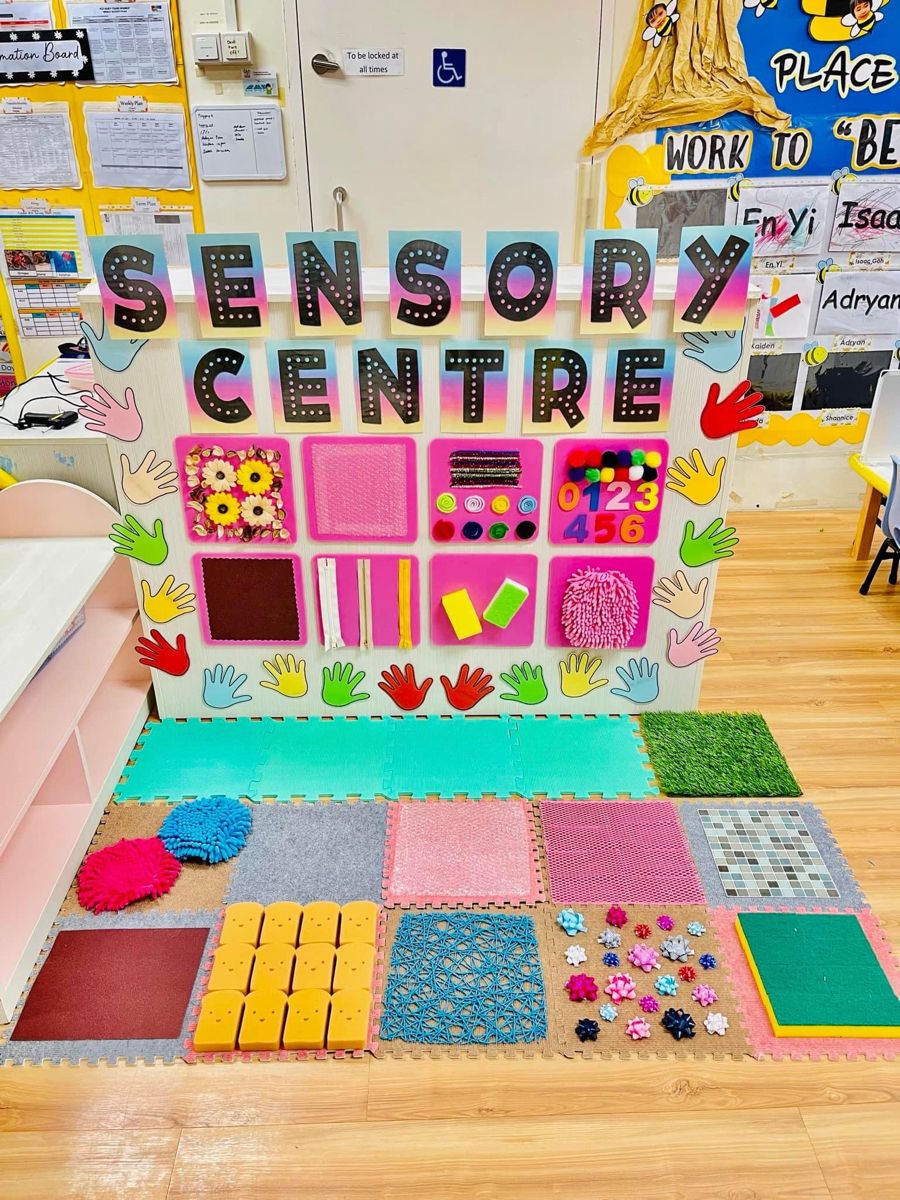
The autistic community has long advocated for a shift from a deficit-based model to one that celebrates neurodiversity. Synaptic dysfunction, in this context, is not a flaw to be fixed but a testament to the brain’s remarkable adaptability. By embracing these differences, society can foster environments that accommodate diverse cognitive styles, whether through sensory-friendly spaces, flexible communication methods, or inclusive educational practices. The goal is not to “normalize” autistic individuals but to create a world where their unique strengths are valued and their challenges are met with understanding.
The journey into the heart of synaptic dysfunction in autism is far from over. As research advances, so too does our understanding of the brain’s plasticity and resilience. What remains clear is that autism is not a monolith but a spectrum of experiences, each shaped by the intricate dance of synapses and neural circuits. By continuing to unravel these mysteries, we not only deepen our knowledge of the human brain but also take a step closer to a more inclusive and compassionate world.
The story of autism and synaptic dysfunction is, at its core, a story of human diversity. It is a reminder that the brain, in all its complexity, is not a machine to be standardized but a universe to be explored. And in that exploration, we find not just the challenges but the extraordinary potential of the autistic mind.