In a world where autism is increasingly recognized as a spectrum of unique strengths and challenges, Russia stands at a crossroads. How does a nation navigate the delicate balance between cultural perceptions, medical advancements, and societal acceptance? The journey of autism in Russia is not just a medical narrative—it’s a cultural odyssey, one that reveals as much about the country’s past as it does about its future.
Imagine, for a moment, a child in a bustling Moscow classroom, their mind a whirlwind of thoughts that refuse to conform to the rigid rhythms of traditional education. Or consider a family in a remote Siberian village, where the nearest specialist is a day’s journey away. These are not hypotheticals; they are the lived realities of countless individuals and families across Russia. The state of autism diagnosis and treatment in the country is a tapestry woven with threads of progress, bureaucracy, and resilience. To understand it fully, we must peel back the layers—from the historical shadows of Soviet-era attitudes to the modern-day innovations reshaping lives.
The Historical Shadow: Autism in the Soviet Era
Autism, as a concept, was largely absent from Soviet medical discourse until the late 20th century. The rigid frameworks of Soviet psychiatry, heavily influenced by ideological constraints, often dismissed neurodevelopmental differences as mere behavioral aberrations or even political dissent. Children who today might be diagnosed with autism were frequently labeled as “difficult,” “slow,” or “socially maladjusted,” their struggles buried under the weight of a system that prioritized conformity over individuality.
It wasn’t until the 1980s and 1990s, with the collapse of the Soviet Union and the influx of Western psychological theories, that autism began to emerge from the shadows. Even then, progress was halting. The term “autism” itself was met with skepticism, often conflated with schizophrenia—a legacy of Soviet psychiatry’s notorious misuse of diagnostic labels. Families navigating this landscape faced not only the challenges of raising a neurodivergent child but also the stigma of a society that struggled to comprehend their reality.

The Modern Landscape: Diagnosis and Awareness
Today, Russia has made strides in recognizing autism, but the journey is far from over. The Diagnostic and Statistical Manual of Mental Disorders (DSM-5) criteria are now widely referenced, and autism is officially acknowledged in the country’s medical lexicon. However, the path to diagnosis remains fraught with obstacles. Long wait times for assessments, a shortage of trained specialists, and regional disparities in access to care create a patchwork of experiences for families.
In major cities like Moscow and St. Petersburg, specialized clinics and early intervention programs are slowly becoming more accessible. Yet, even here, the process can feel like navigating a labyrinth. Parents often recount tales of bureaucratic hurdles, misdiagnoses, and the emotional toll of advocating for their children in a system that still grapples with understanding neurodiversity. The rise of parent-led support groups and NGOs has been a beacon of hope, filling gaps where formal structures fall short.
One of the most pressing challenges is the lack of standardized screening protocols, particularly in rural areas. Without early detection, many children miss the window for interventions that could significantly improve their quality of life. The disparity between urban and rural access to care is stark, leaving families in remote regions to rely on fragmented resources or, in some cases, none at all.
Treatment Modalities: Between Tradition and Innovation
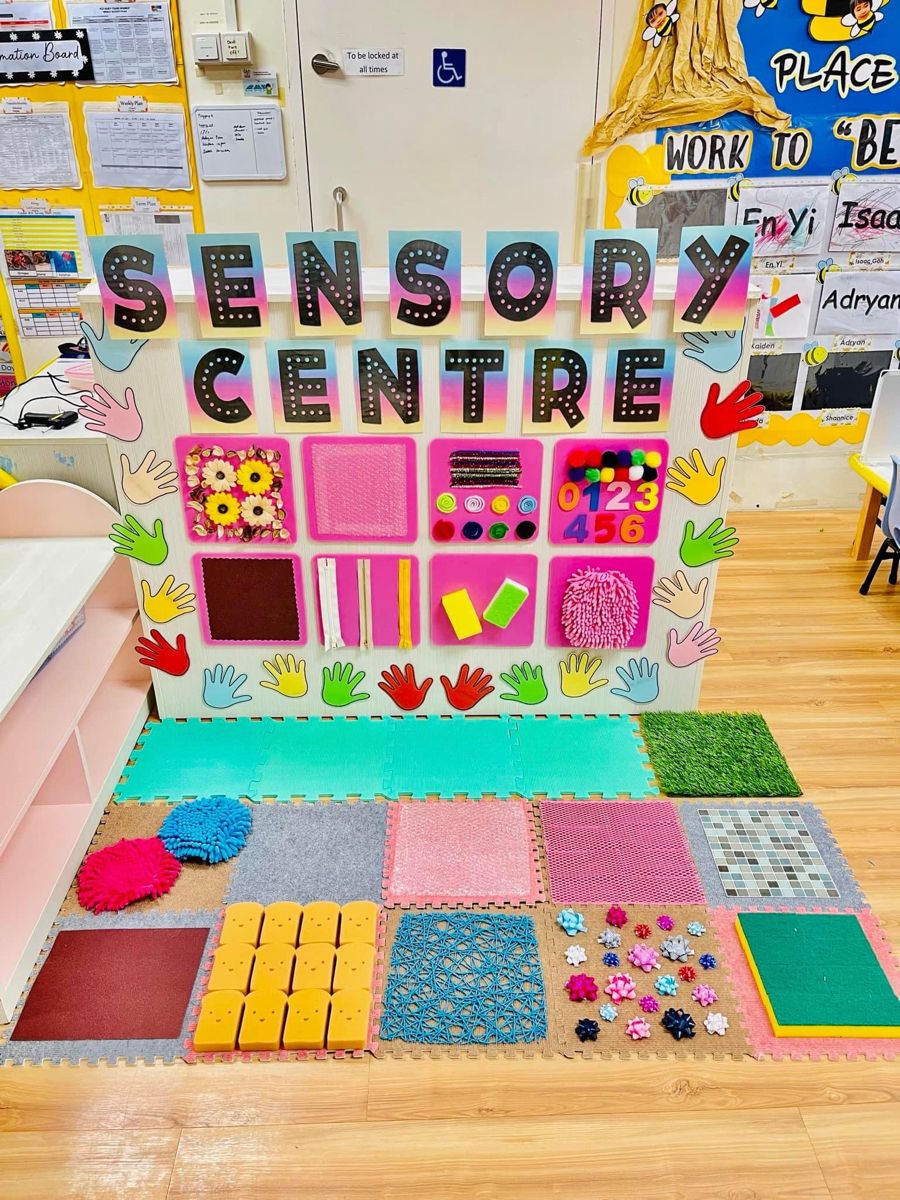
When it comes to treatment, Russia presents a fascinating paradox—a blend of time-honored approaches and cutting-edge therapies. Applied Behavior Analysis (ABA), widely used in Western countries, is gaining traction but remains controversial due to its association with intensive, sometimes rigid, behavioral modification techniques. Meanwhile, alternative therapies, from sensory integration to art and music therapy, are flourishing in grassroots communities, offering more holistic avenues for support.
Traditional Russian medicine, with its emphasis on herbal remedies and physiotherapy, also plays a role in some treatment plans. While these methods may not address the core symptoms of autism, they can complement conventional therapies, providing comfort and stability for both children and their families. The challenge lies in striking a balance—integrating evidence-based practices with culturally resonant approaches without diluting the efficacy of interventions.
Another hurdle is the stigma that persists in many corners of Russian society. Despite growing awareness, misconceptions about autism abound. Some view it as a “Western import,” a notion that undermines the legitimacy of the condition and the needs of those affected. Others conflate autism with intellectual disability, overlooking the vast spectrum of abilities and potential within the neurodivergent community. Education and advocacy are critical in dismantling these myths, but progress is incremental.
The Role of Technology and Telemedicine
In a country as vast as Russia, technology has emerged as a game-changer. Telemedicine platforms are bridging the gap between remote communities and specialists, offering consultations, therapy sessions, and educational resources that were once out of reach. Online communities provide a lifeline for parents, connecting them with peers who share similar experiences and offering a space to exchange advice and encouragement.
Artificial intelligence is also making inroads, with tools designed to assist in early diagnosis and personalized intervention plans. These innovations hold promise, but their adoption is uneven, dependent on infrastructure and funding. For families in urban centers, technology can be a lifeline; for those in rural areas, it remains a distant dream.

Cultural Shifts: From Stigma to Acceptance
The most profound changes in Russia’s autism landscape are perhaps cultural. A new generation of parents, armed with information and fueled by determination, is challenging outdated norms. Social media campaigns, art exhibitions, and public forums are slowly shifting perceptions, replacing pity with understanding and exclusion with inclusion.
Yet, the road to full acceptance is long. Schools, for instance, remain a battleground. While inclusive education policies exist on paper, implementation is inconsistent. Teachers often lack the training to support neurodivergent students, and bullying remains a pervasive issue. The push for inclusive classrooms is gaining momentum, but systemic change requires more than policy—it demands a cultural shift in how society views difference.
Workplace inclusion is another frontier. Many autistic adults in Russia struggle to find employment, not because of a lack of skills, but due to societal biases and a lack of accommodations. Initiatives like job coaching and employer education programs are beginning to make a difference, but progress is slow. The untapped potential of the neurodivergent workforce is a loss not just for individuals but for the economy as a whole.
The Future: A Mosaic of Hope and Challenge
Russia’s journey with autism is a mosaic—each piece a story of resilience, innovation, and the relentless pursuit of a more inclusive society. The challenges are real: bureaucratic inertia, regional disparities, and deep-seated stigma. Yet, the progress is undeniable. From grassroots advocacy to technological advancements, the seeds of change are taking root.
The question now is not whether Russia can transform its approach to autism, but how quickly it can do so. The answer lies in collaboration—between families, specialists, policymakers, and society at large. It lies in recognizing that autism is not a problem to be fixed, but a difference to be understood. And it lies in the quiet, everyday acts of courage that move the needle forward, one family, one community, one policy at a time.
As the sun sets over the Russian plains, casting long shadows across a landscape of both struggle and hope, one thing is clear: the story of autism in Russia is still being written. And it is a story worth telling.