In an era where digital platforms shape public consciousness, Instagram has emerged not just as a repository of curated aesthetics but as a potent medium for advocacy—particularly in the realm of neurodiversity. Among its most compelling narratives is the portrayal of autism, a condition often shrouded in misconception and silence. What begins as a fascination with vibrant imagery and personal stories soon reveals a deeper, more urgent conversation about representation, empathy, and systemic change. The platform’s visual grammar—its reliance on immediacy, emotion, and authenticity—makes it uniquely suited to dismantle stereotypes and foster understanding. Yet beneath the surface of colorful infographics and candid selfies lies a paradox: while Instagram amplifies voices, it also risks commodifying lived experiences, turning complex human conditions into consumable content. This duality invites us to examine not only how autism is depicted online but why these visuals resonate so deeply with audiences worldwide.
The Power of Visual Narratives in Autism Advocacy
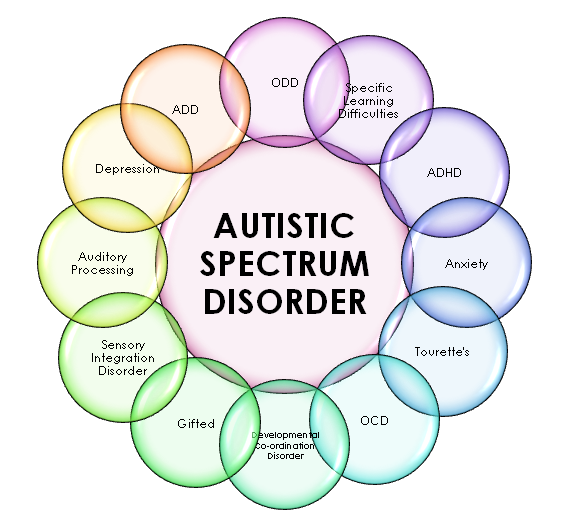
Instagram’s architecture is built on visual storytelling, a medium that transcends linguistic barriers and taps directly into emotional resonance. For autistic individuals and their advocates, this presents an unprecedented opportunity to reclaim narratives that have historically been dictated by outsiders. A single image—whether a photograph of a child engrossed in stimming, an illustrated timeline of developmental milestones, or a carousel post breaking down sensory overload—can convey what paragraphs of text might struggle to articulate. The platform’s emphasis on brevity and immediacy aligns with the neurodivergent experience, where attention spans and processing speeds often differ from neurotypical norms. This synchronicity fosters a sense of agency; autistic creators are not merely subjects of representation but architects of their own stories.
Consider the rise of #ActuallyAutistic, a hashtag that has become a digital safe haven for individuals sharing unfiltered perspectives. Unlike traditional advocacy, which often prioritizes clinical definitions or inspirational tropes, these visual accounts prioritize lived reality. A post might juxtapose a serene landscape with text overlay: “This is what calm feels like to me,” or a split-screen image contrasting a crowded mall with a quiet corner, captioned “Sensory overload vs. my sanctuary.” Such juxtapositions do more than inform—they invite viewers into a subjective experience, cultivating empathy through proximity rather than pity. The visual medium, with its ability to compress time and space, becomes a bridge between divergent ways of perceiving the world.
The Aestheticization of Neurodiversity: Beauty or Exploitation?
Yet the same features that empower can also obscure. Instagram’s algorithmic favoritism toward visually striking content risks transforming autism into a trend—one that privileges aesthetics over substance. The platform’s obsession with curated authenticity often leads to the sanitization of complex realities. A post depicting a child happily engaged in a repetitive task might go viral, while another, showing the same child in distress during a meltdown, receives fewer engagements. The former aligns with societal expectations of “inspirational” neurodiversity; the latter challenges them. This selective visibility raises critical questions: Who decides which aspects of autism are photogenic? And what happens to the voices that don’t fit the mold?
Moreover, the commercialization of autism advocacy on Instagram introduces a troubling dynamic. Brands and influencers may leverage neurodiversity for engagement, selling merchandise emblazoned with puzzle-piece motifs or hosting “awareness” campaigns that prioritize aesthetics over action. The neurodiversity aesthetic—characterized by pastel colors, minimalist designs, and uplifting slogans—can inadvertently flatten the diversity of autistic experiences into a marketable aesthetic. This phenomenon, while not unique to Instagram, is exacerbated by the platform’s monetization structures, where engagement metrics often dictate visibility. The result is a paradox: a tool designed to amplify marginalized voices may inadvertently reinforce the very systems it seeks to dismantle.
Community Building and the Digital Campfire
Despite these challenges, Instagram has fostered communities that operate as digital campfires—spaces where shared experiences ignite connection and collective action. For autistic individuals, particularly those in isolated or underserved regions, these online gatherings can be lifelines. Support groups, art collectives, and advocacy networks thrive on the platform, offering not just information but solidarity. The visual nature of Instagram enhances this sense of belonging; a shared meme about stimming, a reel documenting a sensory-friendly event, or a carousel post explaining masking can foster a sense of communal understanding that transcends geographical boundaries.
One particularly impactful trend is the rise of autistic-led art on the platform. Artists like @neurodivergent_lou and @aspie_illustrator use their work to explore themes of identity, intersectionality, and self-acceptance. Their pieces often blend humor with poignancy, challenging viewers to confront their own biases while celebrating neurodivergent joy. The visual medium allows for nuanced storytelling that text alone cannot achieve. For instance, an illustration might depict an autistic person surrounded by floating thought bubbles—each representing a different sensory input—while the background fades into a calming gradient. Such imagery not only educates but also normalizes the experience of sensory overwhelm, fostering a culture of acceptance.
The Role of Influencers in Shaping Perceptions
Influencers play a pivotal role in shaping public perceptions of autism on Instagram, acting as both gatekeepers and amplifiers of narratives. The most effective advocates are those who blend personal storytelling with educational content, creating a holistic picture of neurodiversity. For example, an influencer might share a reel documenting their journey from diagnosis to self-acceptance, interspersed with text overlays explaining common autistic traits. This format caters to Instagram’s preference for digestible, shareable content while providing substantive value.
However, the influencer ecosystem is not without its pitfalls. The pressure to maintain engagement can lead to oversimplification or performative advocacy. An influencer might focus on “positive” aspects of autism—such as exceptional focus or unique talents—while downplaying the challenges of executive dysfunction or social exclusion. This selective framing risks reinforcing stereotypes that autistic individuals must “earn” their place in society through productivity or exceptionalism. The most responsible influencers are those who acknowledge the full spectrum of experiences, including the mundane, the difficult, and the triumphant.
Beyond Awareness: From Visibility to Action
The ultimate measure of Instagram’s impact on autism advocacy lies not in likes or follows but in tangible change. While the platform excels at raising awareness, it often falls short in driving systemic action. Advocacy on Instagram must evolve from performative allyship to actionable allyship—where visual storytelling is paired with calls to action, such as supporting legislation, donating to grassroots organizations, or advocating for inclusive policies in schools and workplaces. For instance, a post highlighting the lack of sensory-friendly spaces in public buildings might include a link to a petition or a list of local advocacy groups. This approach transforms passive engagement into active participation.
Moreover, Instagram’s role in autism advocacy extends beyond individual accounts. The platform’s corporate policies—such as algorithmic bias, content moderation practices, and accessibility features—directly impact the visibility and safety of neurodivergent users. Advocates must push for structural changes, such as improved alt-text options for images, better moderation of harmful content (e.g., “cure” rhetoric), and policies that protect autistic creators from harassment. The visual nature of Instagram should not come at the cost of accessibility; every image, reel, or story must be designed with inclusivity in mind.
The allure of Instagram as a tool for autism advocacy lies in its ability to make the invisible visible. Yet this power is not without responsibility. The platform’s visual grammar can dismantle stereotypes or reinforce them; it can amplify marginalized voices or commodify them. The key lies in recognizing that advocacy is not a static image but a dynamic process—one that requires continuous reflection, adaptation, and action. As we scroll through feeds filled with vibrant stories of neurodiversity, we must ask ourselves: Are we merely spectators, or are we participants in a larger movement toward equity? The answer may well determine whether Instagram remains a fleeting trend or becomes a lasting force for change.