The future of autism diagnosis is undergoing a seismic shift, propelled by the relentless march of artificial intelligence. Where once clinicians relied solely on observational methods and subjective assessments, today’s landscape brims with algorithms capable of parsing nuanced behavioral patterns, analyzing vast datasets, and identifying subtle biomarkers that elude the human eye. This transformation is not merely incremental—it is revolutionary, promising earlier, more accurate, and more equitable diagnoses for children and adults alike. As AI systems grow increasingly sophisticated, they are poised to redefine the very foundations of neurodevelopmental evaluation, bridging gaps in access, reducing diagnostic delays, and fostering personalized intervention strategies. The implications stretch far beyond clinical settings, touching educators, families, and policymakers who are grappling with the growing prevalence of autism spectrum disorder (ASD). In this exploration, we delve into the multifaceted role AI is playing in reshaping autism diagnosis, from the cutting-edge technologies in development to the ethical dilemmas that accompany their deployment.
The Rise of AI in Neurodevelopmental Screening
Traditional autism diagnosis often hinges on the meticulous observation of a child’s behavior during structured play sessions or clinical interviews. While these methods remain invaluable, they are inherently limited by their reliance on human interpretation, which can vary widely between clinicians and is susceptible to cultural biases. Enter AI-driven screening tools, which leverage machine learning to analyze behavioral data with unprecedented precision. These systems ingest video recordings, audio samples, and even eye-tracking data to detect telltale signs of ASD—such as atypical gaze patterns, delayed speech development, or repetitive motor movements. Unlike their human counterparts, AI models do not fatigue, nor do they carry the weight of unconscious bias. They can process thousands of hours of footage in minutes, identifying patterns that may escape even the most seasoned developmental specialists. The result is a diagnostic process that is not only faster but also more consistent, reducing the risk of misdiagnosis or overlooked symptoms.
From Home Videos to Clinical Insights: The Power of Passive Data Collection
One of the most promising frontiers in AI-assisted autism diagnosis lies in the unobtrusive analysis of everyday interactions. Parents and caregivers are increasingly turning to smartphone apps and wearable devices that record a child’s behavior in naturalistic settings—during mealtime, playtime, or even while sleeping. These passive data streams, once anonymized and aggregated, become a goldmine for AI algorithms trained to detect deviations from neurotypical development. For instance, subtle differences in vocal pitch, facial expressions, or motor coordination can be flagged for further review. This approach democratizes early detection, allowing families in remote or underserved communities to access preliminary assessments without the need for in-person evaluations. Moreover, it shifts the diagnostic paradigm from reactive to proactive, enabling interventions to begin before critical developmental windows close. The challenge, however, lies in ensuring data privacy and mitigating the risk of algorithmic overfitting, where models trained on limited datasets fail to generalize across diverse populations.
AI and the Promise of Biomarker Discovery
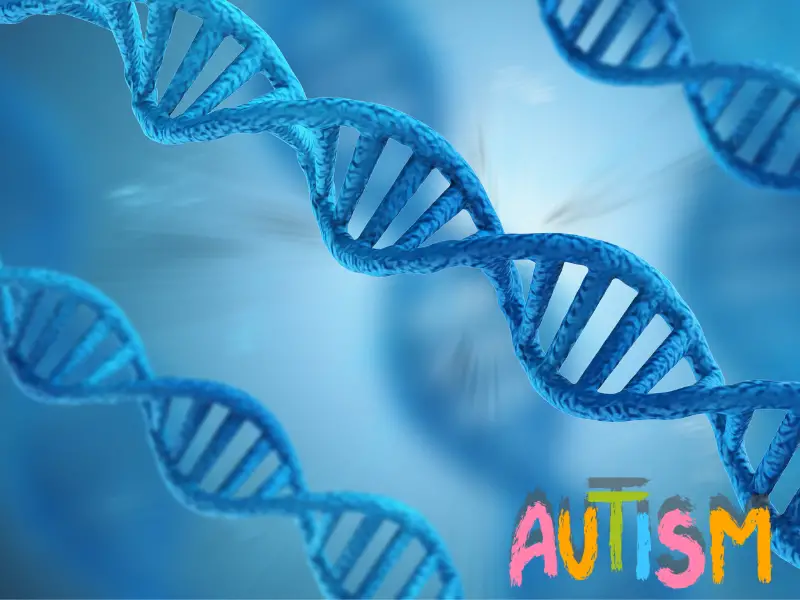
Beyond behavioral cues, researchers are exploring the role of biological and physiological biomarkers in autism diagnosis. AI is at the vanguard of this inquiry, sifting through genomic data, brain imaging scans, and even gut microbiome profiles to identify molecular signatures associated with ASD. For example, machine learning models have shown remarkable accuracy in distinguishing between autistic and neurotypical brain connectivity patterns in functional MRI scans. Similarly, AI-driven analysis of genetic variants has uncovered novel associations between specific mutations and autism risk. These discoveries are not merely academic; they hold the potential to transform diagnosis from a behavioral puzzle into a precise, evidence-based process. Imagine a future where a simple blood test or EEG scan could provide a definitive autism diagnosis in infancy, long before behavioral symptoms manifest. Such advancements could revolutionize early intervention, allowing therapies to be tailored to a child’s unique neurobiological profile from the earliest stages of development.
The Role of Natural Language Processing in Social Communication Analysis
Social communication deficits are a hallmark of autism, yet quantifying these challenges has historically been a subjective endeavor. Natural language processing (NLP), a branch of AI focused on understanding human language, is changing that. By analyzing speech patterns, vocabulary diversity, and conversational turn-taking in children and adults, NLP algorithms can detect subtle linguistic anomalies that may indicate ASD. For instance, autistic individuals often exhibit echolalia, atypical prosody, or difficulties with pragmatic language—elements that AI can systematically evaluate. These tools are particularly valuable in assessing older children or adults who may have developed coping mechanisms to mask their symptoms, making traditional diagnostic methods less effective. Furthermore, NLP-powered chatbots and virtual assistants are being developed to simulate social interactions, providing clinicians with additional data points to refine their assessments. The integration of NLP into autism diagnosis underscores the field’s shift toward a more holistic, data-driven approach to neurodevelopmental evaluation.
Ethical Considerations and the Risk of Over-Reliance on AI
While the potential of AI in autism diagnosis is undeniable, it is not without its ethical pitfalls. One of the most pressing concerns is the risk of algorithmic bias, where AI models trained predominantly on data from specific demographic groups fail to generalize to others. For instance, if a diagnostic tool is developed using data primarily from Western, high-income populations, it may overlook cultural nuances or genetic variations present in other groups, leading to disparities in diagnosis and care. Additionally, the opacity of some AI systems—often referred to as “black boxes”—poses challenges in clinical decision-making. Clinicians and families may struggle to understand why an AI model flagged a child for further evaluation, undermining trust in the system. There is also the question of accountability: Who bears responsibility if an AI-driven diagnosis is incorrect? These ethical dilemmas necessitate robust validation studies, transparent reporting of model limitations, and ongoing collaboration between technologists, clinicians, and affected communities to ensure that AI serves as a tool for equity rather than exclusion.
AI-Powered Early Intervention: Bridging Diagnosis and Therapy
The true power of AI in autism diagnosis lies not just in identification but in its ability to catalyze early intervention. Once a child is flagged for potential ASD, AI systems can generate personalized therapy recommendations based on their unique behavioral and biological profile. For example, machine learning models can predict which interventions—such as applied behavior analysis (ABA), speech therapy, or occupational therapy—are most likely to yield positive outcomes for a specific child. AI can also adapt in real time, adjusting therapy plans as the child progresses or encounters new challenges. Beyond individual care, AI is facilitating the development of telehealth platforms that connect families with specialists regardless of geographic barriers, ensuring that early intervention is accessible to all. These systems are not a replacement for human therapists but rather an augmentation, empowering clinicians with data-driven insights to deliver more targeted and effective care.
The Global Impact: Democratizing Access to Diagnosis
The global prevalence of autism is estimated at 1 in 100 children, yet access to diagnosis and intervention remains unevenly distributed. In low-resource settings, families often face years-long waitlists for developmental evaluations, delaying critical support. AI is emerging as a powerful equalizer in this context, offering low-cost, scalable solutions that can be deployed via smartphones or tablets. Projects like the Autism and Beyond app, which uses AI to analyze home videos for early signs of ASD, demonstrate how technology can bridge gaps in care. Similarly, initiatives in countries like India and Kenya are leveraging AI-powered chatbots to provide preliminary screenings in local languages, ensuring that linguistic and cultural barriers do not impede diagnosis. The democratization of AI tools also empowers parents to become active participants in their child’s developmental journey, fostering a sense of agency and reducing the emotional toll of waiting for a formal diagnosis.
Looking Ahead: The Convergence of AI, Genomics, and Personalized Medicine
The future of autism diagnosis is not confined to AI alone but is part of a broader convergence with genomics, neuroimaging, and personalized medicine. Researchers are increasingly exploring the intersection of these fields to develop holistic diagnostic frameworks. For instance, AI models are being trained to integrate genetic data with behavioral observations, creating a multi-modal diagnostic approach that accounts for both biological and environmental factors. This convergence could lead to a new era of precision autism diagnosis, where interventions are tailored not just to the symptoms but to the underlying neurobiology of each individual. The implications are profound: earlier detection, more effective therapies, and a deeper understanding of the heterogeneity of autism itself. As these technologies mature, they may also shed light on the biological mechanisms underlying ASD, paving the way for novel treatments and preventive strategies.
The journey toward AI-enhanced autism diagnosis is still in its infancy, but the trajectory is clear. We are moving toward a future where diagnosis is not a bottleneck but a catalyst—a gateway to timely, personalized, and equitable care. The challenges are significant, from ethical considerations to the need for diverse training data, but the potential rewards are transformative. For families navigating the complexities of autism, for clinicians striving to provide the best possible care, and for society at large, AI offers a beacon of hope. It is a reminder that in the quest to understand and support neurodiversity, technology can be a powerful ally. The future is not just about detecting autism earlier; it is about reimagining what is possible when we combine human insight with the unparalleled analytical power of artificial intelligence.