Have you ever wondered what it would be like to flip a switch and recalibrate the very wiring of the human brain? For families navigating the intricate landscape of autism spectrum disorder (ASD), this isn’t just a fanciful thought—it’s a frontier where science is beginning to whisper promises of transformation. Gene therapy, once the stuff of speculative fiction, now looms on the horizon as a potential catalyst for profound change. But as the curtain lifts on this medical marvel, it reveals not just dazzling possibilities, but a labyrinth of ethical quandaries that demand our attention. What happens when we tinker with the genetic blueprint of neurodiversity? Can breakthroughs in gene therapy truly rewrite the narrative of autism, or do they risk overshadowing the rich tapestry of human difference?
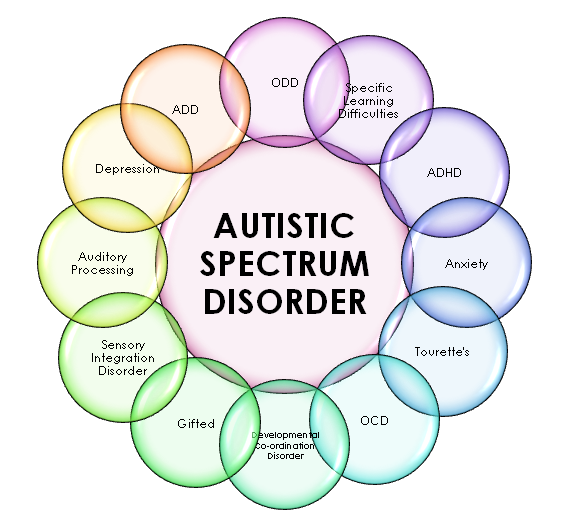
Autism is a spectrum as vast as the human imagination itself, a mosaic of strengths, challenges, and idiosyncrasies that defy monolithic definitions. At its core, ASD is a neurodevelopmental condition characterized by differences in social communication, sensory processing, and repetitive behaviors. While some individuals with autism thrive with minimal support, others face significant hurdles in daily functioning. For decades, interventions like behavioral therapy and occupational therapy have been the cornerstone of support, offering tools to navigate a world that often feels ill-equipped to accommodate neurodivergent minds. Yet, as our understanding of genetics deepens, a tantalizing question emerges: Could gene therapy unlock doors that traditional therapies have only propped ajar?

The Promise of Gene Therapy: A Genetic Reset Button?
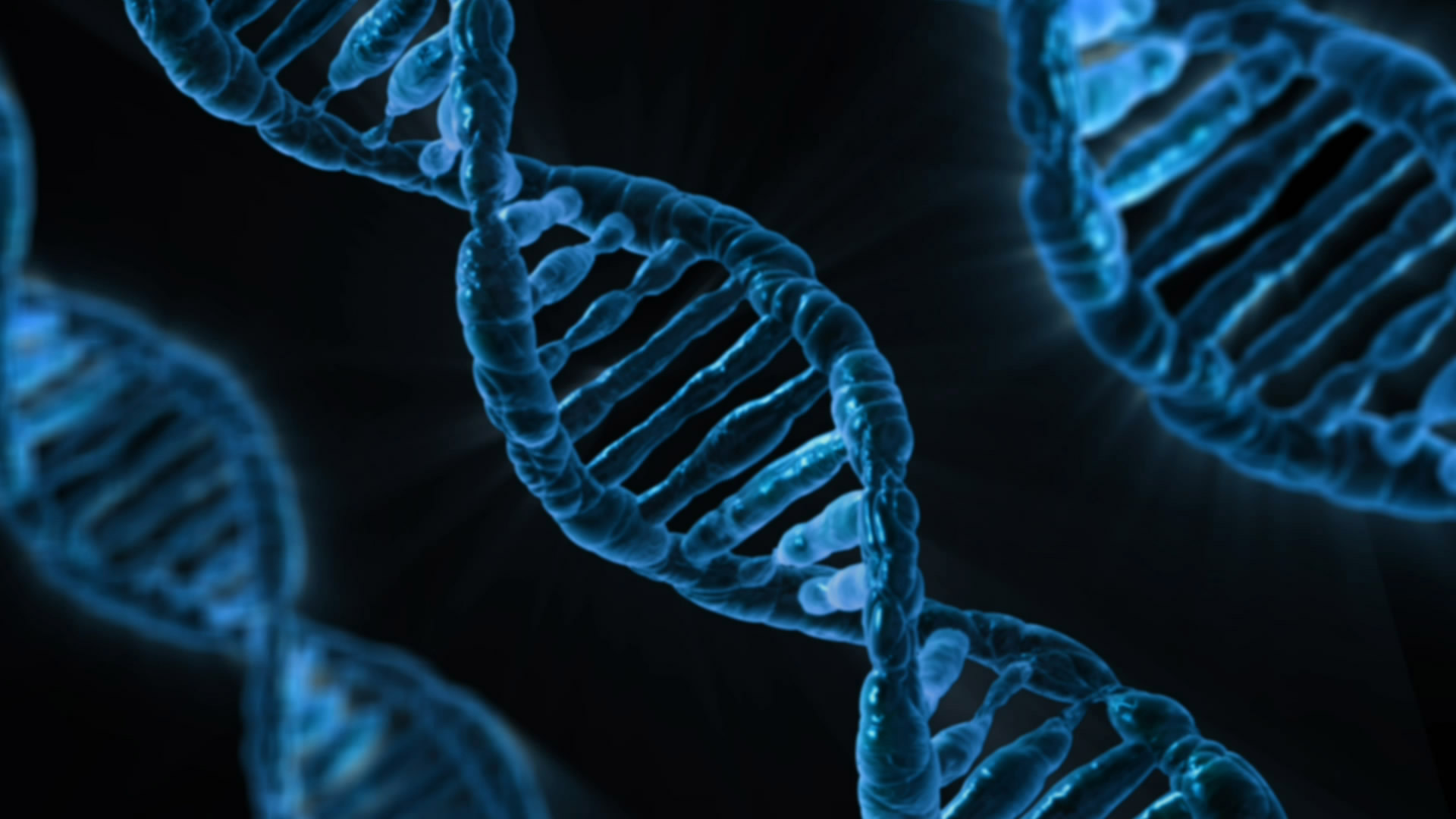
Gene therapy operates on a deceptively simple premise: correct the genetic anomalies that contribute to a condition, and you might just correct the condition itself. For autism, this could mean targeting specific genes linked to synaptic function, neural connectivity, or sensory processing. Early research has identified over 100 genes associated with ASD, many of which play roles in brain development and function. The most tantalizing targets include genes like SHANK3, CHD8, and PTEN, which, when mutated, can lead to significant neurodevelopmental challenges.
Imagine a world where a single infusion could alleviate the sensory overload that plagues many autistic individuals, or where social interactions no longer feel like navigating a minefield of unspoken rules. Clinical trials are already underway to explore the feasibility of gene therapy for ASD. For instance, researchers are investigating the use of adeno-associated viruses (AAVs) as vectors to deliver corrected gene sequences to the brain. In animal models, these therapies have shown promise in restoring typical behaviors and cognitive functions. Could this be the dawn of a new era, where autism is not just managed but fundamentally altered?
Yet, the path from promise to practice is fraught with complexities. Gene therapy is not a one-size-fits-all solution. The heterogeneity of autism means that what works for one individual might have no effect—or even adverse effects—on another. Moreover, the brain’s plasticity, while a marvel of adaptability, also makes it a moving target. Correcting a genetic mutation in infancy might yield different results than attempting the same intervention in adolescence or adulthood. The timing of intervention could be as critical as the intervention itself, raising questions about when, or even if, gene therapy should be deployed.
The Ethical Tightrope: Redefining Autism or Erasing It?
As the specter of gene therapy hovers closer, it casts long shadows over the ethical landscape of autism. At the heart of the debate lies a fundamental tension: Is autism a condition to be cured, or a variation of human experience to be embraced? For some families, the prospect of alleviating suffering is a beacon of hope. For others, the idea of “fixing” autism smacks of eugenics, a thinly veiled attempt to conform neurodivergent individuals to a narrow ideal of normalcy. Where do we draw the line between healing and erasure?
Consider the language we use. Terms like “cure” and “treatment” imply that autism is inherently undesirable, a problem to be solved rather than a difference to be celebrated. Yet, many autistic self-advocates argue that their neurodivergence is an integral part of their identity, contributing to their unique perspectives, talents, and strengths. The neurodiversity movement champions this view, advocating for acceptance and accommodation rather than correction. In this context, gene therapy becomes a double-edged sword—capable of alleviating suffering but also of eroding the very essence of what it means to be autistic.
Then there’s the issue of consent. Gene therapy for autism would likely involve interventions in early childhood, a time when the individual cannot provide informed consent. Parents, acting in what they believe to be their child’s best interest, might make decisions that the child later rejects. What happens when an autistic adult, who underwent gene therapy as a child, looks back and questions whether their identity was altered without their say-so? The ethical implications are as tangled as the double helix of DNA itself.
The Practical Hurdles: From Lab to Life
Even if the ethical dilemmas were resolved tomorrow, the practical challenges of gene therapy for autism remain formidable. The brain is the most complex organ in the human body, a labyrinth of interconnected neurons that defy simple fixes. Delivering gene therapy to the brain is no small feat. Current methods, such as viral vectors, face significant barriers, including the blood-brain barrier, which shields the brain from foreign invaders but also thwarts therapeutic delivery. Researchers are exploring innovative solutions, from intranasal delivery to focused ultrasound techniques, but these are still in their infancy.
Another hurdle is the sheer diversity of autism. With hundreds of genes implicated and countless combinations of mutations, developing a one-size-fits-all gene therapy is a pipe dream. Personalized medicine, tailored to an individual’s genetic profile, may be the only viable path forward. This approach, while promising, is resource-intensive and raises questions about accessibility. Will gene therapy be a privilege reserved for the wealthy, or can it be democratized to reach those who need it most?
Safety is another critical concern. Gene therapy is not without risks. Off-target effects, where the therapy inadvertently alters genes other than the intended target, could have unforeseen consequences. Immune reactions to viral vectors are another potential pitfall, with some patients experiencing severe inflammatory responses. The long-term effects of gene therapy are, by definition, unknown. We are only beginning to scratch the surface of what these interventions might unleash, both good and bad.
Striking a Balance: Therapy vs. Acceptance
So, where does this leave us? Is gene therapy the holy grail of autism intervention, or a Pandora’s box waiting to be opened? The answer, as with so many things in life, is nuanced. Gene therapy holds immense potential to alleviate suffering for those autistic individuals who struggle with significant challenges. It could offer a lifeline to families navigating the complexities of ASD, providing tools to unlock new levels of independence and well-being. Yet, it must be approached with caution, humility, and an unwavering commitment to ethical integrity.
The key lies in striking a balance. Gene therapy should not be positioned as a panacea, nor should it be dismissed as an affront to neurodiversity. Instead, it should be one tool among many in the toolbox of autism support. It should be explored with the input of autistic individuals, who are the true experts in their own experiences. It should be deployed judiciously, with rigorous safety standards and a focus on informed consent. And it should never overshadow the importance of acceptance, accommodation, and the celebration of neurodivergent strengths.
As we stand on the precipice of this genetic revolution, we must ask ourselves: What kind of world do we want to build? A world where differences are erased in the name of conformity, or a world where science and society work in tandem to create a future where everyone, regardless of neurology, can thrive? The answers to these questions will shape not just the future of autism, but the very essence of what it means to be human.
The journey ahead is uncertain, but it is also exhilarating. With each breakthrough, we edge closer to unlocking the mysteries of the human brain. Yet, with each step, we must also pause to reflect on the ethical terrain we traverse. For in the end, the most profound breakthroughs may not be in our genes, but in our hearts and minds—our willingness to embrace difference, to challenge norms, and to redefine what it means to live a life well-lived.