The human brain, a labyrinth of electrochemical symphonies, hums with the quiet elegance of a thousand orchestras playing in unison. Yet, for those navigating the intricate pathways of autism, the harmony can sometimes fracture into discordant notes—overwhelming sensory inputs, social miscues, and the relentless pursuit of meaning in a world that speaks in riddles. Neurotechnology, like a skilled translator, is stepping into this cacophony, offering tools that bridge the gap between the autistic mind and the external world. Among these innovations, brain-computer interfaces (BCIs) emerge as a beacon of hope, not merely as gadgets of convenience but as transformative bridges that could redefine human connection.
Imagine, for a moment, a world where the unspoken becomes spoken, where the internal monologue finds a voice, and where the autistic individual is no longer constrained by the limitations of conventional communication. This is not the stuff of science fiction but a tangible frontier being explored today. Neurotechnology, with its cutting-edge advancements, is unlocking doors that were once bolted shut by the rigid structures of traditional interaction. From BCIs that translate neural whispers into digital speech to wearable devices that modulate sensory overload, the fusion of autism and neurotechnology is crafting a new narrative—one where difference is not a barrier but a unique lens through which the world can be seen.
The Silent Symphony: Understanding Autism Through a Neurodivergent Lens
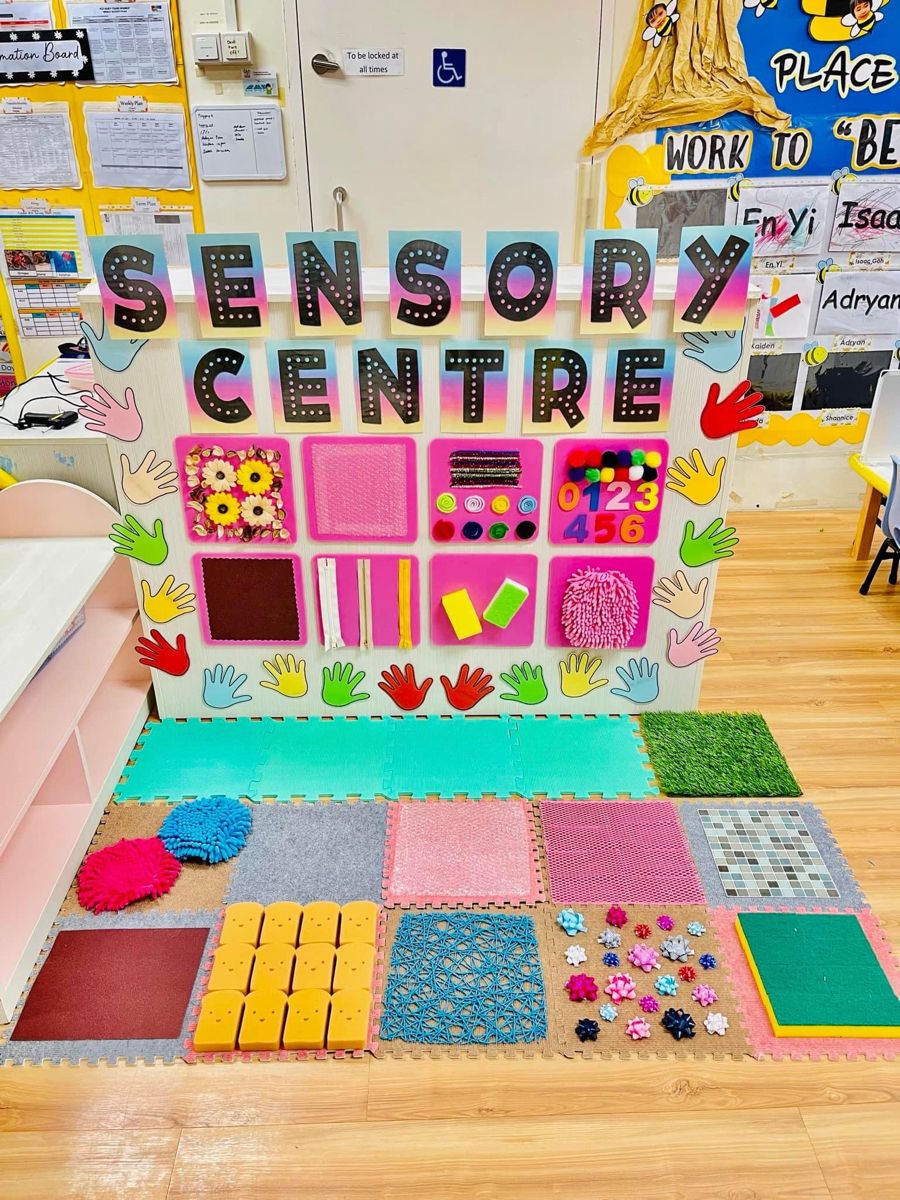
Autism, or Autism Spectrum Disorder (ASD), is a neurodevelopmental tapestry woven with threads of complexity and diversity. It is not a monolith but a spectrum where each individual’s experience is as unique as a fingerprint. For some, the world is a cacophony of sensory stimuli—flashing lights, buzzing sounds, and tactile textures that feel like sandpaper against the skin. For others, social interactions are a puzzle, with unspoken rules and subtle cues that remain frustratingly elusive. Yet, beneath these challenges lies a profound depth of perception, a way of thinking that is often hyper-focused, detail-oriented, and rich with creativity.
Neurotechnology offers a lens to peer into this world, not as an outsider peering through a glass darkly, but as a collaborator in decoding the silent symphony of the autistic mind. Tools like functional magnetic resonance imaging (fMRI) and electroencephalography (EEG) are beginning to map the neural landscapes of autistic individuals, revealing patterns of connectivity that differ from neurotypical brains. These insights are not merely academic; they are the first steps toward designing interventions that honor the autistic way of being while providing tools to navigate a world that often feels alien.
Consider the concept of neurodiversity, a paradigm that reframes autism not as a disorder to be fixed but as a natural variation of the human experience. Neurotechnology, in this context, becomes a bridge rather than a crutch—a means of enhancing the autistic individual’s ability to engage with the world on their own terms. It is a shift from the medical model of disability to a social model, where the focus is not on changing the individual but on adapting the environment to meet their needs.
Brain-Computer Interfaces: The Alchemy of Thought and Technology
At the heart of neurotechnology’s promise lies the brain-computer interface, a marvel of engineering that translates the brain’s electrical impulses into actionable digital commands. BCIs are not a new concept, but recent advancements have propelled them from the realm of laboratory curiosity into practical, life-changing tools. For autistic individuals, BCIs hold the potential to unlock communication, reduce anxiety, and even modulate sensory experiences in real time.
One of the most compelling applications of BCIs is in the realm of augmentative and alternative communication (AAC). For nonverbal autistic individuals, traditional communication methods can feel like trying to shout into a void. BCIs offer a lifeline—a way to translate neural activity into speech or text without the need for physical movement. Imagine a child who has spent years unable to express their needs, their fears, or their joys, suddenly able to “speak” through the flicker of a thought. This is not mere speculation; companies like Neuralink and Synchron are already conducting trials that demonstrate the feasibility of such technology.
But BCIs are more than just communication devices; they are gateways to neurofeedback, a process where individuals learn to regulate their brain activity through real-time feedback. For autistic individuals prone to sensory overload or emotional dysregulation, neurofeedback can be a game-changer. By training the brain to recognize and modulate its own patterns, neurofeedback offers a path to self-regulation—a skill that can transform lives. Picture a teenager overwhelmed by the hum of fluorescent lights, able to “tune” their brain to reduce the sensory assault, or an adult struggling with anxiety, learning to calm the storm within through the power of their own mind.
The elegance of BCIs lies in their ability to work with the brain, not against it. Unlike pharmaceutical interventions that often come with a laundry list of side effects, BCIs are non-invasive (in many cases) and customizable. They do not seek to “normalize” the autistic brain but to provide tools that allow it to thrive in its own unique way.
Wearable Neurotechnology: The Invisible Armor Against Overload
While BCIs capture the imagination with their futuristic allure, wearable neurotechnology is quietly revolutionizing the day-to-day lives of autistic individuals. These devices, often sleek and unobtrusive, act as invisible armor, shielding the wearer from the relentless onslaught of sensory stimuli. Smart glasses that filter out disruptive light patterns, noise-canceling headphones that adapt to the wearer’s auditory environment, and haptic vests that provide gentle, rhythmic vibrations to ground the user—these are not mere gadgets but lifelines in a world that can feel overwhelming.
One standout example is the Muse headband, a wearable EEG device that monitors brain activity and provides real-time feedback to help users achieve a state of calm. For autistic individuals prone to meltdowns or shutdowns, such tools can be transformative. They offer a sense of control, a way to navigate the world without being at the mercy of one’s own nervous system. Similarly, devices like the EmWave2 use heart rate variability (HRV) biofeedback to teach emotional regulation, helping users recognize and manage stress before it escalates.
The beauty of wearable neurotechnology lies in its accessibility. Unlike BCIs, which often require surgical implantation or complex setups, wearables are designed for everyday use. They slip seamlessly into the rhythm of life, offering support without drawing attention. For autistic individuals who may already feel conspicuous in a world that does not always accommodate their needs, these devices provide a quiet dignity—a way to participate fully without compromise.
The Ethical Tapestry: Navigating the Moral Landscape of Neuroenhancement
With great power comes great responsibility, and neurotechnology is no exception. As these tools become more advanced and more accessible, they raise profound ethical questions. Is it ethical to use BCIs to “enhance” autistic individuals, or does this risk erasing the very traits that make them unique? How do we ensure that neurotechnology does not become a tool of coercion, where autistic individuals feel pressured to conform to neurotypical standards?
These are not idle concerns. The history of disability advocacy is littered with examples of well-intentioned interventions that ultimately served to marginalize rather than empower. The key lies in collaboration—ensuring that autistic individuals are not passive recipients of technology but active participants in its development. This means involving autistic voices in the design process, respecting their autonomy, and recognizing that neurodiversity is not a problem to be solved but a perspective to be valued.
Another ethical consideration is the digital divide. Neurotechnology, particularly advanced BCIs, can be prohibitively expensive, raising concerns about equity. Will these tools be accessible only to the privileged few, or will they become widely available to those who need them most? Advocacy for inclusive policies and affordable pricing models is essential to ensure that neurotechnology does not become another marker of inequality.
The Horizon: A Future Where Neurotechnology and Autism Converge
The intersection of autism and neurotechnology is not a distant dream but an unfolding reality. As research advances and technology becomes more refined, the possibilities are limited only by our imagination. Imagine a world where autistic individuals can communicate effortlessly through thought, where sensory overload is a thing of the past, and where the unique strengths of the autistic mind are celebrated rather than suppressed. This is not a utopian fantasy but a tangible future, one that is being built brick by brick through the ingenuity of scientists, the resilience of autistic individuals, and the power of technology.
The journey is not without its challenges. There will be setbacks, ethical dilemmas, and moments of doubt. But the potential is undeniable. Neurotechnology offers a way to honor the autistic experience while providing the tools to navigate a world that often feels ill-equipped to understand it. It is a testament to human ingenuity, a reminder that the boundaries of possibility are not fixed but ever-expanding.
In the end, the fusion of autism and neurotechnology is about more than just innovation—it is about inclusion. It is about creating a world where every mind, regardless of its wiring, has the opportunity to thrive. It is about recognizing that the symphony of human cognition is richer for its diversity, and that the future belongs to those who dare to listen.