The notion of “normal” is one of the most quietly tyrannical concepts in modern life. It shapes curricula, hiring practices, architectural codes, and even the layout of public spaces. Yet, when we turn our gaze toward neurodevelopmental differences, the term reveals itself as a fragile construct—one that fractures under scrutiny. Autism, in particular, exposes the arbitrariness of “normal” by demonstrating how deeply our definitions rely on unexamined assumptions about cognition, communication, and social interaction. Who, then, holds the authority to declare what is typical? And why does this question continue to captivate us, even as we claim to embrace diversity?
At its core, the obsession with “normal” reflects a primal human need for predictability. Societies thrive on shared expectations; they reduce friction in daily life and allow for collective coordination. When a child lines up toys with meticulous precision or an adult avoids eye contact in conversation, these behaviors disrupt the expected flow of interaction. They are not inherently wrong—they are simply unexpected. This unpredictability triggers discomfort, not because the behavior is harmful, but because it challenges the illusion of control that “normal” provides. The fascination with autism, then, is less about the condition itself and more about what it reveals: the fragile scaffolding of social norms that we rarely question until it bends.
The Myth of the Statistical Majority
We often conflate “normal” with “statistically common,” as if the median defines morality. Yet, this logic crumbles under scrutiny. Consider the distribution of sensory sensitivities: while most people can tune out fluorescent lighting, others experience it as a physical assault. Is the majority’s tolerance the benchmark for comfort? Or is it merely a convenience? Autism highlights this discrepancy by showcasing individuals whose perceptual worlds differ dramatically from the assumed baseline. Their experiences are not outliers in a statistical sense—they are simply less represented in the data we collect. The real question is not whether autistic traits are “normal,” but whether our definitions of normalcy are expansive enough to include them without pathologizing difference.
This narrow framing of normality also extends to communication. A neurotypical conversation relies on rapid, reciprocal exchanges of verbal and nonverbal cues. Autistic individuals, however, may process language differently—taking longer to respond, using literal interpretations, or expressing thoughts in unconventional ways. These differences are not deficits; they are variations in cognitive architecture. Yet, society often interprets them as failures to conform, as if the burden of adaptation should always fall on the individual rather than the environment. The irony is palpable: we celebrate innovation in technology and art, yet we resist it in human behavior, as if creativity and predictability were mutually exclusive.
The Role of Institutions in Policing Normalcy
Institutions—schools, workplaces, healthcare systems—act as the gatekeepers of “normal.” They design policies, curricula, and environments based on assumptions about how humans should think, learn, and interact. A classroom that rewards rapid verbal responses privileges certain cognitive styles over others. An office that demands constant eye contact during meetings disadvantages those who process social cues differently. These structures are not neutral; they are engineered to favor the neurotypical majority, often without acknowledging the exclusion they create.
Consider the concept of “inclusion” in education. While schools may integrate autistic students into mainstream classrooms, the curriculum and teaching methods rarely adapt to their needs. The result is a system that measures success by how well a child can suppress their natural inclinations to fit in. This is not inclusion—it is assimilation. The deeper issue lies in the reluctance to redesign systems around human diversity rather than forcing individuals to conform to rigid standards. True inclusivity would mean rethinking everything from classroom acoustics to the pace of instruction, recognizing that “normal” is not a monolith but a spectrum of possibilities.

The Cultural Narrative of “Fixing” Difference
Society’s response to autism is often framed as a quest to “normalize” the individual. Therapies, interventions, and even prenatal screenings are justified under the banner of reducing suffering and improving quality of life. Yet, this narrative overlooks a critical question: whose suffering are we alleviating? The distress often stems not from autism itself, but from a world that refuses to accommodate it. A non-speaking autistic person may struggle to communicate in a society that equates speech with intelligence. A child who stims (repeats movements or sounds) may be reprimanded for behaviors that regulate their sensory overload. The problem is not the person—it is the environment that deems their existence inconvenient.
This cultural fixation on “fixing” difference also reflects a deeper discomfort with ambiguity. Autism challenges our binary notions of health and illness, ability and disability. It forces us to confront the possibility that what we label as a disorder may simply be a different way of being. The history of medicine is rife with examples of conditions once deemed pathological—homosexuality, left-handedness, even menstruation—that were later reclassified as natural variations. Autism may well follow a similar trajectory, not because it is less real, but because our definitions of normalcy evolve as our understanding of humanity expands.
Redefining Normal: Toward a More Humane Framework
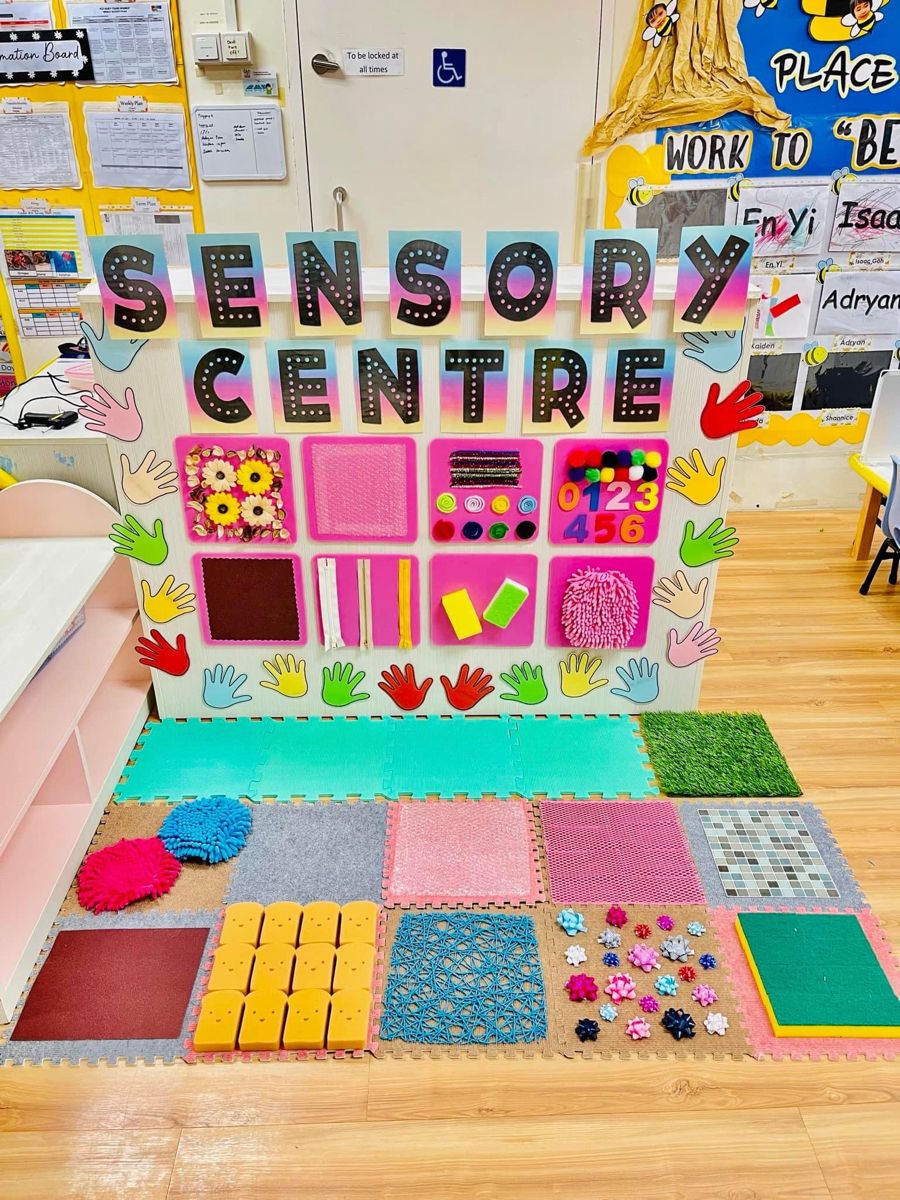
The path forward requires dismantling the illusion that “normal” is a fixed, objective standard. Instead, we must adopt a model of neurodiversity, which recognizes that all brains are wired differently, and that these differences are not flaws to be corrected but variations to be accommodated. This shift in perspective demands systemic changes: flexible workplaces, sensory-friendly public spaces, and educational methods that honor individual learning styles. It also requires a cultural reckoning with the biases that equate typicality with superiority.
Imagine a world where an autistic child is not pressured to make eye contact but is taught that their way of engaging with the world is valid. Where a non-speaking adult is not assumed to lack intelligence but is provided with alternative communication tools. Where stims are not suppressed but understood as a form of self-regulation. This is not a utopian fantasy—it is a practical necessity for a society that claims to value diversity. The real measure of progress is not how well we assimilate difference, but how well we create spaces where difference can thrive.
Ultimately, the fascination with autism and the concept of “normal” reveals a paradox at the heart of human nature. We crave order, yet we are endlessly creative. We seek predictability, yet we are drawn to the unpredictable. Autism, in all its complexity, is a mirror held up to society, reflecting back the limitations of our definitions and the possibilities of our evolution. The question is not whether autistic individuals can conform to our idea of normal—but whether we are willing to expand our idea of normal to include them.