In a world that often measures success by the gleam of a corner office or the weight of a paycheck, the autistic experience offers a radical redefinition of achievement—one that thrives in the quiet corners of innovation, the unyielding pursuit of passion, and the unapologetic embrace of difference. Success, in this context, is not a linear path but a constellation of moments where perseverance intersects with purpose. It is the autistic individual who sees the world not as it is, but as it could be, turning abstract ideas into tangible breakthroughs while the rest of society scrambles to catch up. This is not a story of limitation, but of liberation—a liberation from the tyranny of conventional metrics and the birth of a new paradigm where success is measured not in dollars, but in depth, not in speed, but in sincerity.
Imagine, if you will, a garden where most plants are trained to grow in straight, uniform rows, their leaves clipped to fit a predetermined shape. Now picture a single sunflower, unruly and towering, its petals unfurling in defiance of the grid. It does not conform. It does not apologize. Yet, it stands taller than the rest, its roots digging deeper into the earth, its face turning unerringly toward the light. This sunflower is the autistic mind—a force of nature that refuses to be pruned, that blooms in its own time, and that redefines what it means to thrive. Success, then, is not about fitting into the garden’s design, but about cultivating a new kind of landscape where every flower, no matter how unconventional, is celebrated for its unique contribution to the ecosystem.
The Tyranny of the Standardized Yardstick
Society’s obsession with standardized measures of success—grades, promotions, social media likes—is a relic of an industrial age that valued conformity over creativity. For autistic individuals, these yardsticks are not just irrelevant; they are actively harmful. A child who excels in hyperfocused, repetitive tasks may be labeled “unmotivated” because their achievements do not align with the 9-to-5 grind. An adult who communicates in blunt honesty or unconventional ways might be passed over for leadership roles, deemed “too intense” or “difficult to work with.” The irony is stark: the very traits that drive innovation—deep specialization, relentless curiosity, an intolerance for inefficiency—are often misconstrued as flaws.
Consider the story of a software developer who, after years of being told their social quirks would hinder their career, built an algorithm that revolutionized data encryption. Their “lack of teamwork” was actually an ability to work in sustained, solitary focus for days on end. Their “rigidity” translated into an unparalleled attention to detail. Success, in this case, was not a promotion or a bonus, but the quiet triumph of creating something that changed an entire industry. The standardized yardstick, in its myopia, nearly missed the forest for the trees.
The Alchemy of Special Interest: Turning Obsession into Gold
What the world dismisses as “obsession,” autistic individuals often wield as a superpower. A special interest is not a distraction; it is a lens through which the world is magnified, clarified, and ultimately transformed. Where others see chaos, the autistic mind sees patterns. Where others see obstacles, it sees opportunities for optimization. This alchemy of focus is not a quirk—it is a competitive advantage in a world drowning in noise.
Take the example of a musician with autism who, after years of being told their lack of “musical intuition” would limit their career, composed a symphony that blended classical structures with electronic beats in ways no one had attempted before. Their “obsession” with perfect pitch and rhythmic precision became the foundation of a genre that captivated millions. Success here was not about fitting into a pre-existing mold, but about reshaping the mold itself. The autistic mind does not just play the game; it redesigns the board.

The Quiet Revolution of Neurodivergent Entrepreneurship
Entrepreneurship is often romanticized as a path for risk-takers, charismatic leaders, and relentless networkers. Yet, some of the most disruptive and sustainable businesses have been built by those who see the world differently. Neurodivergent entrepreneurs thrive not in spite of their differences, but because of them. They build companies that solve problems others didn’t even know existed, from apps that simplify sensory overload to platforms that connect autistic job seekers with inclusive employers.
The key to their success lies in a refusal to compromise. Where neurotypical entrepreneurs might tweak their pitch to appeal to investors, the neurodivergent founder stays true to their vision, even if it means starting small. Where others chase trends, they build for longevity. Their businesses are not just ventures; they are manifestos, declarations that success does not require assimilation. It requires authenticity.
Consider the founder of a tech startup who, after years of being passed over for promotions due to “lack of social skills,” launched a company that automated the most tedious parts of corporate communication. His “awkwardness” in meetings translated into a laser focus on inefficiencies that others overlooked. His “rigidity” became a commitment to ethical data practices. Success was not measured in valuation, but in the quiet revolution of making workplaces more humane.
The Art of Unconventional Mentorship
Mentorship, too, must be redefined. The traditional model—where a wise elder imparts wisdom to a eager protégé—often fails autistic individuals, who may not thrive in hierarchical or socially demanding environments. Instead, unconventional mentorship flourishes in peer networks, online communities, and even asynchronous collaborations where guidance is given not through forceful persuasion, but through shared passion.
Imagine a platform where autistic adults mentor each other not through Zoom calls or coffee chats, but through collaborative projects—coding a game, designing a product, or writing a manifesto. The mentorship is not about climbing a corporate ladder, but about building a new one entirely. Success here is not about climbing higher, but about widening the path so others can follow. It is a mentorship of equals, where the mentor and mentee swap roles depending on the day, the hour, or the project. In this ecosystem, failure is not a setback, but a data point. Feedback is not criticism, but a puzzle to solve together.
The Symphony of Sensory Success
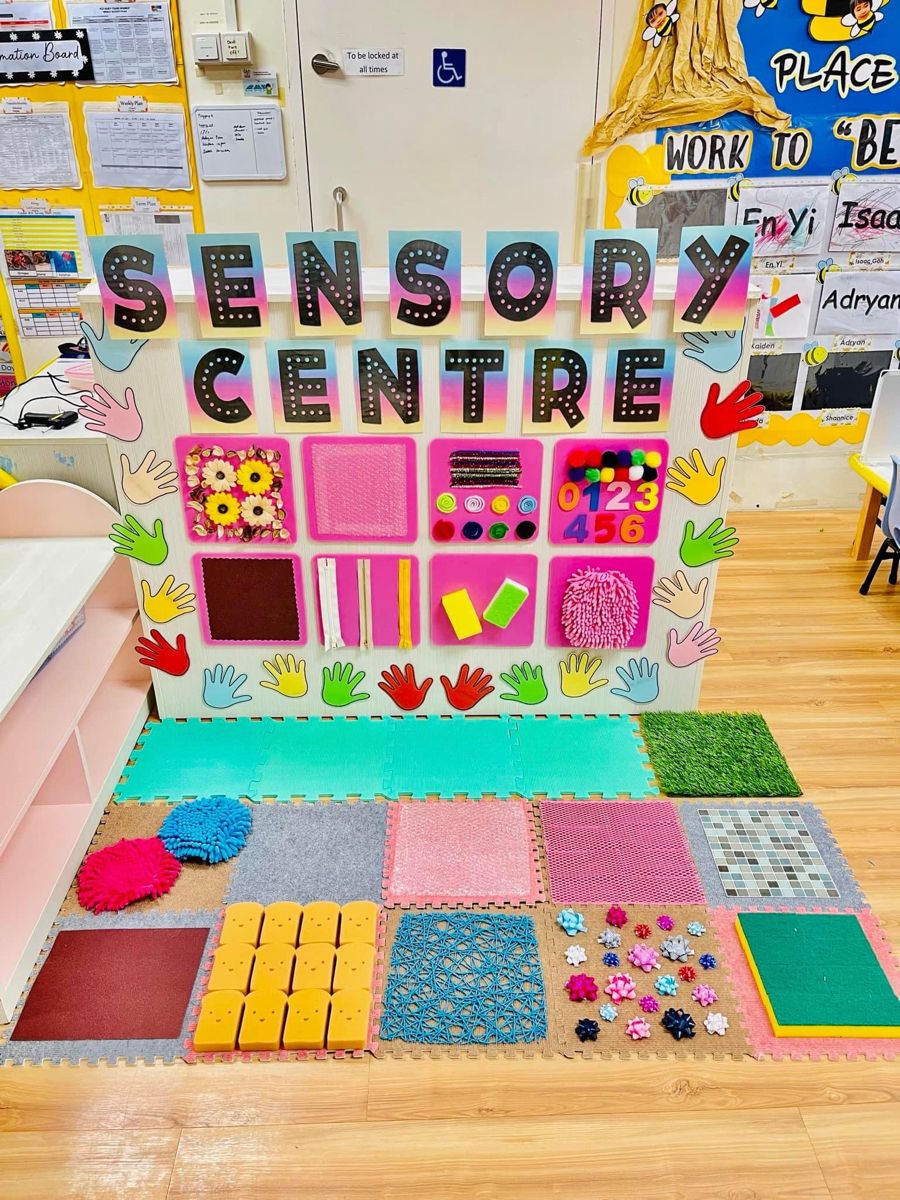
Success is not a one-size-fits-all experience, and for many autistic individuals, it is deeply intertwined with sensory experiences. A workspace that feels like a sensory deprivation chamber to a neurotypical person might be a sanctuary to someone who thrives in controlled environments. The hum of a fan, the texture of a specific fabric, the scent of a particular candle—these are not distractions, but the building blocks of focus and creativity.
Consider the writer who writes best in a dimly lit room with noise-canceling headphones, surrounded by the scent of lavender. Their “unproductive” habits are not flaws; they are the conditions that allow their mind to unfurl like a fern in the dark. Success, then, is not about forcing oneself into a mold, but about sculpting an environment where one’s unique wiring can thrive. It is the art of curating a life that feels like a second skin—comfortable, familiar, and conducive to brilliance.

The Legacy of Redefined Achievement
History is not written by those who conform, but by those who dare to redefine the rules. The autistic experience is not a footnote in the story of success; it is a chapter that challenges the entire narrative. It asks us to consider: What if the metrics we’ve been using are not just outdated, but fundamentally flawed? What if the people we’ve been overlooking are the very architects of the future?
The legacy of redefined achievement is not a single breakthrough or a viral moment. It is a quiet accumulation of moments where autistic individuals—whether in science, art, entrepreneurship, or everyday life—prove that success is not a destination, but a way of being. It is the ability to see the world not as it is, but as it could be, and to build that world, one unapologetic step at a time.
In the end, the autistic definition of success is not about changing the world to fit a mold. It is about changing the mold itself. It is about recognizing that the sunflower does not need to grow in a straight line to be beautiful. It only needs to grow toward the light.