In the labyrinthine world of screenwriting, where every character is a thread woven into the tapestry of storytelling, neurodivergent characters demand a deft hand and an empathetic heart. Autism, with its spectrum of traits and nuances, presents a rich vein of material for writers seeking to craft authentic, multidimensional portrayals. Yet, too often, these characters are reduced to stereotypes—either as savants with prodigious intellects or as tragic figures burdened by their condition. The art of screenwriting lies in transcending these tropes, delving into the lived experiences of neurodivergent individuals to create characters who resonate with depth and authenticity. This exploration is not merely about representation; it is about illuminating the vast spectrum of human cognition and emotion, where every neurodivergent character can be a mirror reflecting the kaleidoscopic nature of reality itself.
For screenwriters, the challenge is twofold: to avoid the pitfalls of clichéd portrayals while ensuring that neurodivergent characters are not merely vehicles for plot convenience. The key lies in research, collaboration, and a willingness to embrace the complexity of autism. Whether through the lens of drama, comedy, or even surrealism, neurodivergent characters can serve as catalysts for profound storytelling, challenging audiences to see the world through a different prism. This article delves into the multifaceted approaches to crafting authentic neurodivergent characters, offering insights into the types of content readers can expect to encounter in this realm.
The Spectrum of Authenticity: Beyond Savant Stereotypes
Autism is often misrepresented in media as a monolithic condition, where characters are either hyper-verbal geniuses or silent, emotionally detached figures. The reality, however, is far more nuanced. Neurodivergent individuals span a vast spectrum, from those who require significant support to those who thrive with minimal accommodations. Screenwriters must resist the temptation to flatten these experiences into a single narrative. Instead, they should explore the diversity within the spectrum, highlighting the unique strengths and challenges each character faces.
Consider a character who thrives in structured environments but struggles with unplanned social interactions. Their autism might manifest in a hyper-focus on routine, a literal interpretation of language, or an intense sensory sensitivity. By grounding these traits in specific, relatable scenarios, screenwriters can create characters who feel real rather than caricatured. For instance, a protagonist who meticulously plans their day to avoid sensory overload could serve as a compelling anchor in a story about resilience and adaptation. The goal is not to define autism by its limitations but to showcase the adaptive strategies neurodivergent individuals employ to navigate a world not designed for them.
Dialogue and Nonverbal Communication: The Unspoken Language
One of the most powerful tools in a screenwriter’s arsenal is dialogue—or the absence thereof. Neurodivergent characters often communicate in ways that defy conventional norms, whether through echolalia, delayed responses, or unconventional body language. Crafting authentic dialogue for these characters requires an understanding of how autism can shape verbal and nonverbal expression. For example, a character might repeat phrases they’ve heard in the past, not as a lack of original thought, but as a coping mechanism or a form of self-soothing. Alternatively, their tone might lack the prosody typical of neurotypical speech, leading to misunderstandings with those around them.
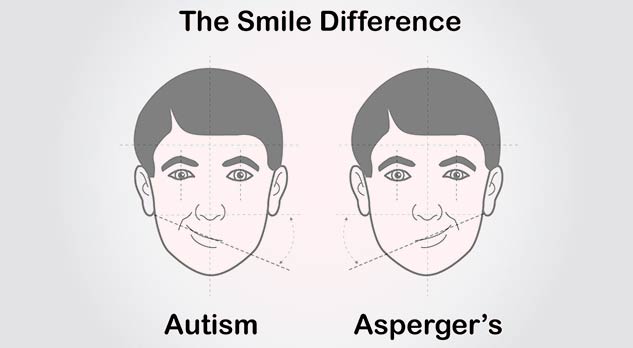
Nonverbal communication is equally critical. A character might avoid eye contact not out of disinterest, but because it feels physically uncomfortable. Their facial expressions might not align with their emotions, creating a disconnect between intent and perception. Screenwriters can use these nuances to deepen character dynamics, particularly in scenes where neurodivergent and neurotypical characters interact. The tension often arises not from conflict, but from the friction between differing modes of communication—a fertile ground for dramatic or comedic exploration.

Sensory Realms: Crafting Immersive Experiences
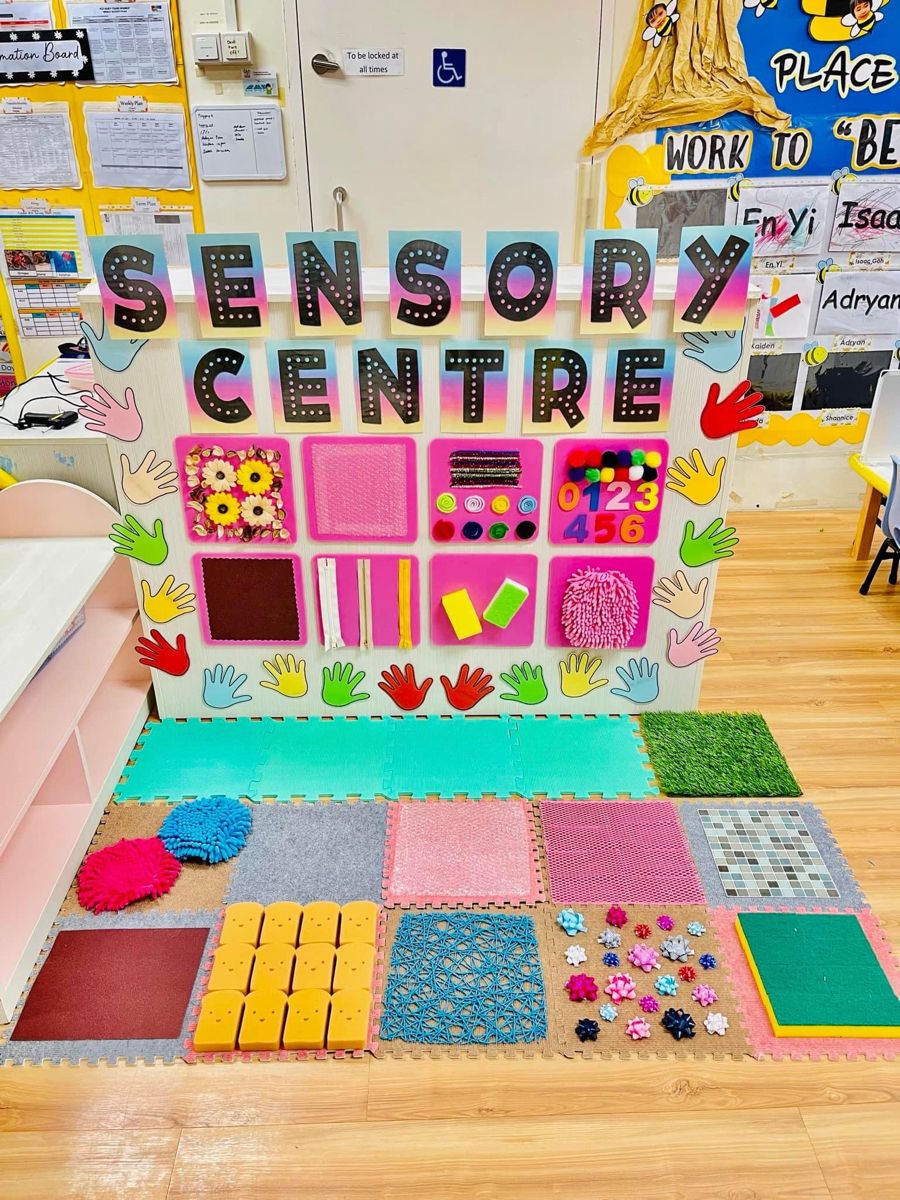
Sensory experiences are a cornerstone of autism, and screenwriters can leverage this to create immersive, visceral storytelling. A neurodivergent character’s heightened sensitivity to light, sound, or texture can serve as a narrative device, shaping their environment and interactions. For instance, a bustling city street might feel like a cacophony of overwhelming stimuli to one character, while another might find solace in the rhythmic hum of a train. By describing these sensory details, screenwriters can transport audiences into the character’s perspective, fostering empathy and understanding.
Consider a scene where a character retreats to a quiet room to escape the noise of a party. The writer might describe the muffled thud of bass through the walls, the glare of fluorescent lights, and the prickly texture of a synthetic couch. These details are not merely decorative; they are essential to conveying the character’s internal state. Conversely, a character who seeks out sensory stimulation—a child spinning in circles or an adult rocking back and forth—can reveal their need for regulation or comfort. Sensory experiences can also drive plot points, such as a character’s aversion to a particular setting or their reliance on specific textures for emotional grounding.
Relationships and Social Dynamics: The Fragility of Connection
Human connection is a universal theme in storytelling, but for neurodivergent characters, these relationships often unfold in unexpected ways. Screenwriters can explore the complexities of friendship, romance, and family bonds through the lens of autism, highlighting both the challenges and the unique strengths these characters bring to their interactions. A neurodivergent character might struggle to interpret sarcasm or social cues, leading to humorous or poignant misunderstandings. Alternatively, their direct communication style could be refreshing in a world of pretense, fostering genuine connections with those who appreciate their candor.
Romantic relationships offer another rich avenue for exploration. A neurodivergent character might approach love with a purity of intent, unburdened by societal expectations. Their partner, in turn, might learn to appreciate their partner’s unique way of expressing affection, whether through acts of service, detailed conversations about niche interests, or quiet moments of shared solitude. These dynamics can challenge traditional narratives of romance, offering audiences a fresh perspective on intimacy and commitment.
Family dynamics present yet another layer of complexity. Siblings of neurodivergent characters might grapple with feelings of resentment or guilt, while parents could navigate the emotional toll of advocating for their child’s needs. Screenwriters can delve into these relationships with nuance, avoiding the trap of portraying neurodivergent characters as burdens or miracles. Instead, they can highlight the mutual growth that occurs when families adapt to each other’s differences, creating a tapestry of resilience and love.
Genre-Bending Narratives: Autism in Drama, Comedy, and Beyond
Neurodivergent characters are not confined to a single genre; they can thrive in drama, comedy, science fiction, or even surrealism. In drama, their stories can explore themes of identity, belonging, and self-acceptance. A coming-of-age narrative might follow a neurodivergent teenager navigating the trials of adolescence, while a family drama could delve into the generational impact of autism. Comedy, on the other hand, can highlight the absurdity of social norms through the eyes of a neurodivergent character. Their literal interpretation of language or unconventional humor can serve as a foil to neurotypical expectations, creating laugh-out-loud moments that also challenge stereotypes.
Science fiction and fantasy offer even greater creative freedom. A neurodivergent character might possess abilities that defy conventional logic, such as an enhanced ability to perceive patterns or a heightened intuition. Alternatively, their autism could be framed as a cultural or biological difference in an alien society, allowing writers to explore themes of otherness and acceptance from a fresh angle. The key is to ensure that the character’s neurodivergence is not merely a plot device but an integral part of their identity and the story’s themes.
The Power of Collaboration: Consulting Neurodivergent Voices
No article on authentic representation would be complete without emphasizing the importance of collaboration. Screenwriters should seek out neurodivergent consultants, actors, and beta readers to ensure their portrayals are accurate and respectful. This collaboration can take many forms, from informal conversations to formal partnerships with advocacy groups. The goal is not to tokenize neurodivergent voices but to amplify them, ensuring that the final product reflects the diversity of experiences within the autism community.
Collaboration extends beyond the creative process. Casting neurodivergent actors in these roles not only fosters inclusivity but also brings an authenticity to the performance that is difficult to replicate. Directors and writers can work together to create environments where neurodivergent actors feel supported, allowing their natural behaviors and expressions to shine through. This approach not only benefits the actors but also enriches the storytelling, as their lived experiences inform the nuances of the character.
The journey of crafting authentic neurodivergent characters in screenwriting is one of discovery, empathy, and relentless curiosity. It requires a willingness to challenge conventions, to listen to diverse voices, and to embrace the complexity of human experience. By moving beyond stereotypes and delving into the lived realities of neurodivergent individuals, screenwriters can create characters who resonate with audiences on a profound level. These characters are not just representations; they are reflections of the vast spectrum of human cognition, offering a glimpse into worlds that are often overlooked or misunderstood. In doing so, they enrich the tapestry of storytelling, reminding us that every voice, no matter how different, has the power to captivate, inspire, and transform.