Fiction has always been a mirror reflecting the kaleidoscope of human experience, yet too often, its glass has been polished to a sheen that only captures certain hues. Neurodivergent perspectives, with their rich, unconventional textures, are rewriting the rules of world-building, turning narrative landscapes into vast, uncharted territories where logic bends and emotions resonate in unexpected frequencies. Autism, in particular, offers a prism through which stories can refract light into spectra of meaning previously unseen. This is not merely about representation—it is about reimagining the very architecture of fiction itself.
Imagine a world where the rigid grid of societal expectations dissolves into a fluid, organic expanse, where rules are not chiseled in stone but woven like vines, shifting with the seasons of perception. This is the terrain neurodivergent authors navigate with deft precision, crafting narratives that feel less like constructed realities and more like living ecosystems. In such worlds, the protagonist’s inner monologue isn’t a quiet whisper but a symphony of overlapping melodies, each note a thought, a sensation, a fleeting insight. The reader doesn’t just observe; they eavesdrop on a consciousness that perceives time as a mosaic rather than a straight line.

The Uncharted Cartography of Neurodivergent Worlds
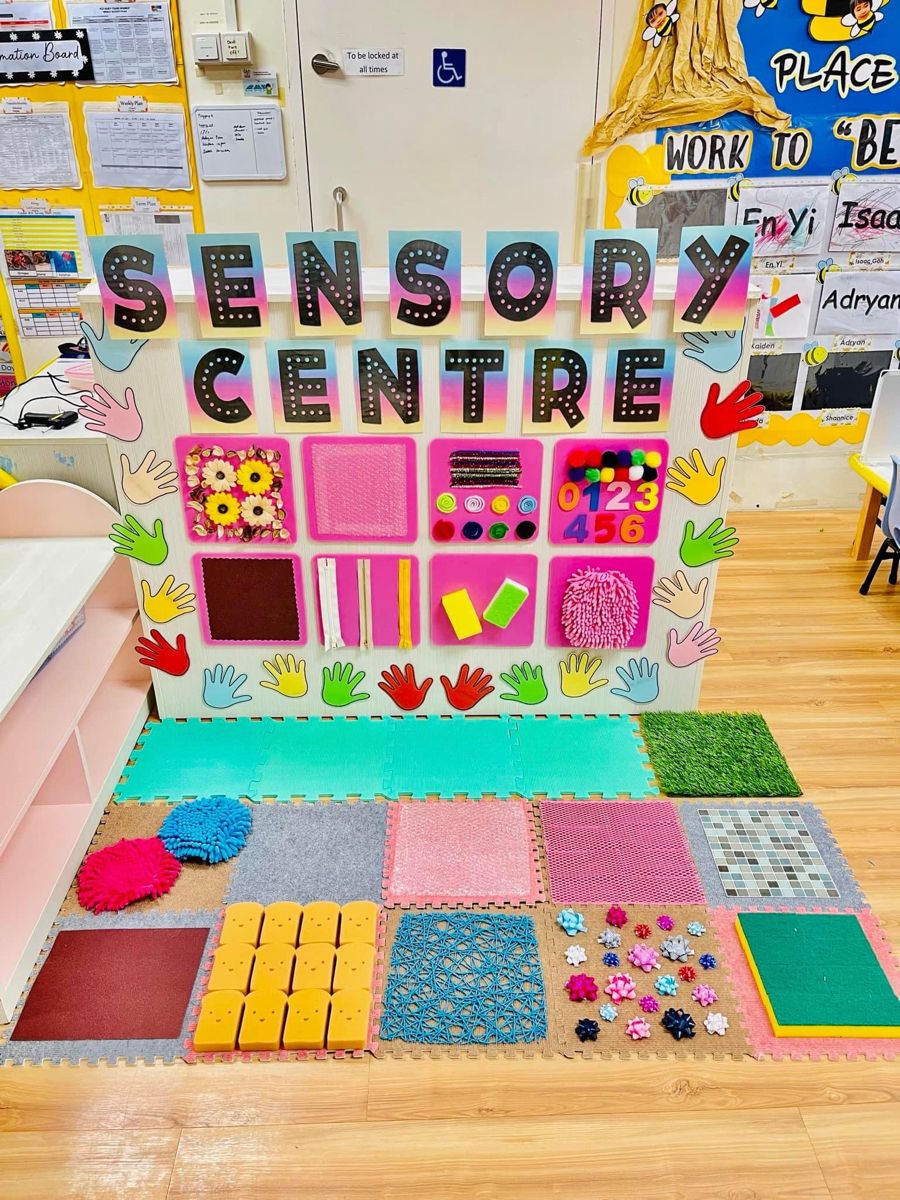
World-building in fiction is traditionally a cartographer’s endeavor—meticulously plotting borders, cultures, and histories on a blank canvas. Neurodivergent authors, however, approach this task with a compass that points not north, but toward the idiosyncratic. Their maps are not drawn in ink but in sensory impressions: the hum of fluorescent lights, the texture of a favorite shirt, the way a conversation feels like a puzzle missing half its pieces. These details are not mere embellishments; they are the bedrock of the world.
Consider a society where communication is not linear but cyclical, where words are not just spoken but felt in the air like static electricity. In such a setting, misunderstandings are not flaws in dialogue but opportunities for deeper connection. A neurodivergent protagonist might navigate this world with a keen eye for patterns, spotting the hidden rhythms in chaos. The reader, too, becomes a participant in this dance, learning to read between the lines of a reality that refuses to conform to conventional expectations.
This kind of world-building is not about escapism. It is about truth—truth in the way light refracts through a prism, splitting into colors that exist simultaneously yet independently. Neurodivergent fiction doesn’t just tell stories; it invites readers to experience the world through a lens they may never have considered, where the mundane becomes extraordinary and the extraordinary, mundane.
The Protagonist as a Living Paradox
A neurodivergent protagonist is not a puzzle to be solved but a living paradox—a figure who embodies both the fragility and resilience of the human spirit. They are not defined by their differences but by the way those differences illuminate the world around them. In fiction, this translates to protagonists who are both deeply introspective and fiercely observant, their internal landscapes as vivid as the external ones they inhabit.
Take, for example, a character who experiences emotions not as waves but as sudden, vivid flashes—anger as a bolt of lightning, joy as a slow, golden sunrise. Their reactions to the world are not predictable but layered, their decisions shaped by a logic that is as valid as it is alien to neurotypical readers. This is not a flaw to be corrected; it is a feature to be celebrated. The reader is drawn into a narrative where empathy is not a given but an achievement, a skill honed through the act of reading itself.

The appeal of such protagonists lies in their authenticity. They are not heroes in the traditional sense, nor are they victims. They are explorers, charting territories within themselves and the world that others might overlook. Their stories are not about overcoming challenges but about reframing them, about finding beauty in the asymmetry of life. In this way, neurodivergent fiction becomes a form of alchemy, transforming the leaden weight of societal expectations into the gold of self-acceptance.
The Aesthetic of Sensory Richness
Neurodivergent world-building is not just about plot or character—it is about aesthetics. The sensory details in these narratives are not incidental; they are the very fabric of the story. A neurodivergent author might describe a bustling city not as a cacophony of noise but as a symphony of overlapping frequencies, where each sound is a distinct thread in a larger tapestry. The scent of rain on pavement is not just a sensory detail but a trigger for memory, a bridge between past and present.
This aesthetic extends to the emotional landscape of the story. A neurodivergent protagonist might experience grief not as a linear progression but as a series of sudden, overwhelming surges, each one a wave that crashes over them before receding. The reader feels this intensity not as a burden but as an invitation—to sit with discomfort, to witness the rawness of human emotion without flinching.
The result is a narrative that feels tactile, immersive, and deeply personal. It is as if the reader is not just reading a story but inhabiting it, their senses heightened, their emotions amplified. This is the power of neurodivergent fiction: it doesn’t just tell a story; it makes the reader live it.
The Subversion of Expectations
Neurodivergent fiction thrives on subversion. It challenges the reader’s assumptions about what a story should be, how a character should behave, and what constitutes a satisfying resolution. In a neurotypical narrative, a protagonist might struggle to fit into society, their differences framed as obstacles to overcome. In neurodivergent fiction, however, these differences are not obstacles but strengths, the very qualities that make the protagonist unique.
Consider a story where the protagonist’s hyperfocus is not a flaw but a superpower, allowing them to solve a mystery that has stumped everyone else. Or a tale where the protagonist’s literal-mindedness becomes the key to unlocking a hidden truth, their inability to read between the lines a shield against deception. These narratives do not just subvert expectations; they redefine them, offering a vision of the world where difference is not a deficit but a gift.
This subversion extends to the structure of the story itself. Neurodivergent authors often eschew traditional three-act structures in favor of more fluid, organic forms. A story might unfold in vignettes, each one a snapshot of a moment in time, or it might spiral outward in concentric circles, each layer revealing a new facet of the protagonist’s mind. The reader is not given a map but a compass, forced to navigate the story on its own terms.
The Ripple Effect: Why This Matters
The impact of neurodivergent fiction extends far beyond the page. By centering neurodivergent perspectives, these stories challenge societal norms and expand the boundaries of what is considered “normal.” They offer readers a glimpse into worlds they may never have encountered, fostering empathy and understanding in ways that traditional narratives cannot.
Moreover, neurodivergent fiction provides a vital counterpoint to the dominant narratives of neurotypical experiences. It reminds us that there is no single “right” way to experience the world, that difference is not a deviation but a variation. In doing so, it opens the door to a more inclusive, more vibrant literary landscape—one where every voice, no matter how unconventional, has the power to shape the story.
For neurodivergent readers, these stories are a lifeline, a validation of their experiences, a reminder that they are not alone. For neurotypical readers, they are an invitation to see the world through a new lens, to question their assumptions, and to embrace the beauty of diversity.

In the end, neurodivergent fiction is not just a genre—it is a revolution. It is a challenge to the status quo, a celebration of difference, and a testament to the power of storytelling to transform the world. By embracing the unique appeal of neurodivergent perspectives, we are not just expanding the literary canon; we are redefining what it means to be human.
As the boundaries between reality and fiction blur, as the lines between neurotypical and neurodivergent dissolve, one thing becomes clear: the most compelling stories are not those that conform to expectations but those that shatter them. And in the shattered fragments, we find the most extraordinary worlds of all.