Autism and Children’s Books: Writing for Young Neurodivergent Readers
Children’s literature has long been a gateway to imagination, empathy, and self-discovery. For neurodivergent young readers—particularly those on the autism spectrum—books can serve as more than just stories; they can be lifelines. The way stories are crafted, the characters they feature, and the themes they explore can profoundly shape a child’s sense of identity and belonging. Writing for this audience demands a nuanced understanding of neurodivergence, an awareness of sensory and cognitive differences, and a commitment to authenticity. The pages of a book can either mirror a child’s experiences or distort them, making the role of the writer both an art and a responsibility.
In recent years, the literary landscape has begun to shift, with more authors and publishers recognizing the need for stories that resonate with neurodivergent children. These narratives go beyond mere representation; they validate experiences, challenge stereotypes, and foster a sense of community. Whether through picture books, middle-grade novels, or young adult fiction, the content must be thoughtfully curated to engage young minds in ways that feel both inclusive and empowering. The following exploration delves into the types of content that can captivate and connect with neurodivergent readers, offering a roadmap for writers and creators who wish to craft stories that truly matter.
The Power of Relatable Characters: Mirroring Neurodivergent Experiences
At the heart of any compelling children’s book lies its characters. For neurodivergent readers, characters who reflect their own experiences can be transformative. These protagonists might navigate social interactions differently, process sensory input in unique ways, or exhibit strengths that are often overlooked in traditional narratives. A well-crafted neurodivergent character doesn’t merely exist as a plot device; they embody the complexities of their identity, allowing young readers to see themselves in the story.
Consider a character who thrives in structured routines but struggles with unexpected changes. Their journey might involve learning to adapt without losing their core sense of self. Alternatively, a protagonist who communicates through alternative methods—such as sign language, assistive technology, or echolalia—can help normalize diverse forms of expression. The key is to avoid reducing these characters to their neurotype; instead, their autism or ADHD should be one facet of a multifaceted personality. By doing so, writers can create characters who feel real, relatable, and worthy of admiration.
Moreover, secondary characters play a crucial role in shaping the narrative. A supportive teacher who adapts lessons to a student’s learning style, or a sibling who patiently explains social cues, can reinforce the message that neurodivergence is not a limitation but a different way of experiencing the world. These relationships can serve as models for real-life interactions, teaching young readers how to navigate friendships, advocate for themselves, and embrace their differences.

Sensory-Friendly Storytelling: Crafting Narratives for Diverse Perceptions
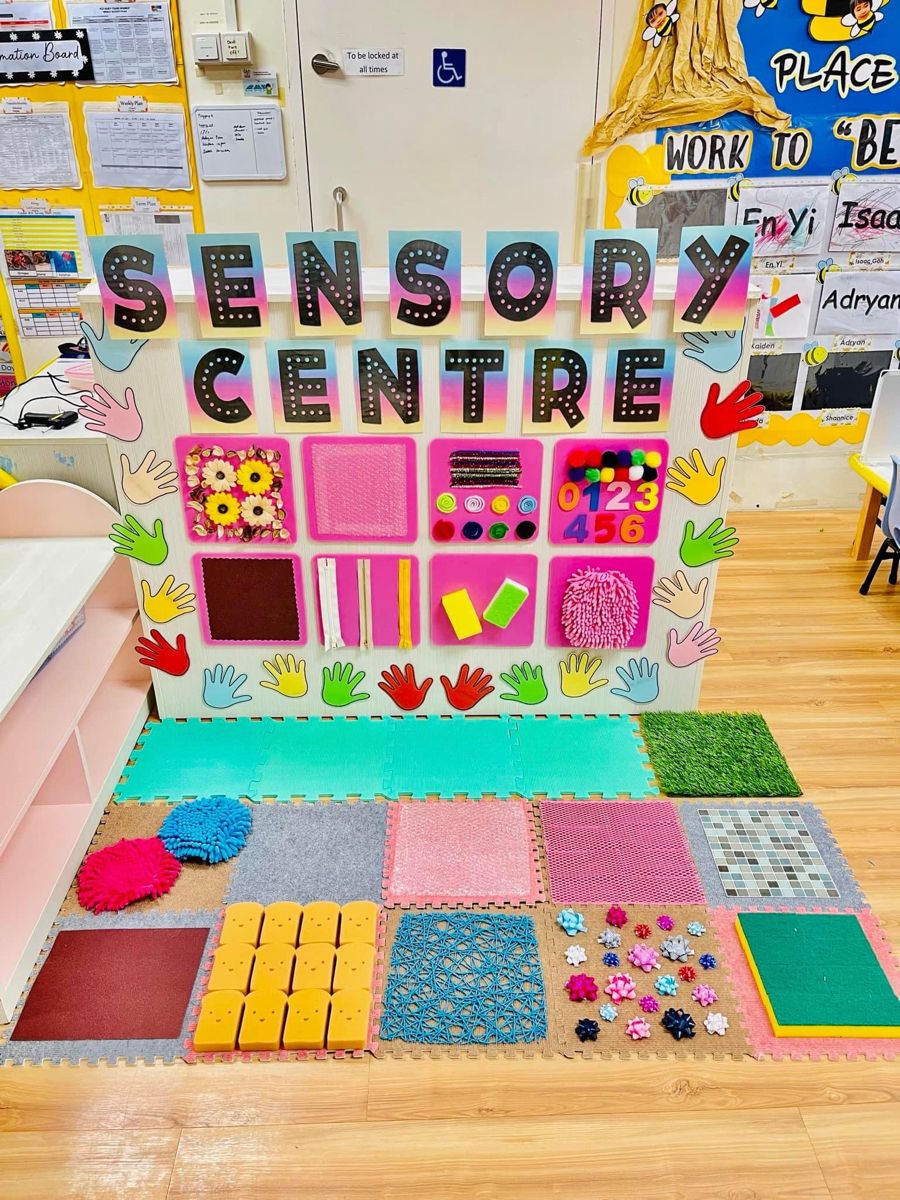
Neurodivergent children often experience the world through senses that are either heightened or underwhelming compared to neurotypical peers. A flickering fluorescent light, the hum of a refrigerator, or the texture of a certain fabric can be overwhelming distractions. Conversely, some children may seek out sensory input through stimming behaviors like rocking, hand-flapping, or fidgeting. Writing for these readers requires an acute awareness of sensory details, ensuring that the story neither overwhelms nor under-stimulates their senses.
Descriptive language can be a double-edged sword. While vivid imagery enriches a story, excessive sensory descriptions may alienate readers who are hypersensitive to stimuli. For instance, instead of detailing the “overpowering aroma of freshly baked cookies,” a writer might describe the “warm, sweet scent that fills the kitchen,” allowing the reader to interpret the intensity for themselves. Alternatively, stories can incorporate sensory breaks, where characters retreat to quiet spaces or engage in calming activities, mirroring real-life coping mechanisms.
Interactive elements can also enhance sensory engagement. Board books with textured pages, sound buttons, or flaps to lift invite tactile exploration. For older readers, stories might include activities like drawing, journaling, or even simple crafts that align with the narrative. These additions transform reading from a passive experience into an immersive one, catering to children who learn best through multisensory input.
Structured and Predictable Narratives: The Comfort of Consistency
Many neurodivergent children thrive in environments with clear structures and predictable patterns. A story that follows a logical sequence—with a beginning, middle, and end—can provide a sense of security. This doesn’t mean the plot must be simplistic; rather, it should be organized in a way that allows the reader to anticipate what comes next. For example, a story might begin each chapter with a recap of the previous events, or use a recurring phrase or motif to signal transitions.
Nonlinear storytelling, while innovative, can be disorienting for some readers. Instead, writers can experiment with gentle variations within a structured framework. A story might explore different perspectives of the same event, or use a cyclical narrative where the protagonist revisits a familiar place but discovers something new each time. These techniques maintain engagement without sacrificing clarity.
Additionally, the physical layout of the book can contribute to its predictability. Consistent font styles, uncluttered pages, and clear chapter headings can reduce cognitive load. For children who struggle with reading fluency, dyslexia-friendly fonts and larger text sizes can make the experience more accessible. The goal is to create a reading environment that feels safe and manageable, allowing the story to shine without unnecessary distractions.
Social Stories and Life Skills: Bridging Fiction and Reality
Beyond entertainment, children’s books can serve as practical tools for navigating everyday challenges. Social stories—short, descriptive narratives that explain social situations—have been used for decades to help neurodivergent children understand expectations and develop coping strategies. These stories often break down complex interactions into simple, step-by-step explanations, such as “When someone asks how your day was, you can say, ‘It was good, thank you.’”
Fiction can weave these lessons into its fabric without feeling didactic. A story about a child preparing for a school presentation might naturally incorporate strategies like practicing in front of a mirror, using a timer to manage time, or asking a teacher for help. By embedding these skills into the narrative, writers can teach while they entertain, making the lessons feel organic rather than prescriptive.
Moreover, books can address emotional regulation, a common area of difficulty for neurodivergent children. Stories might feature characters who experience meltdowns or shutdowns, then demonstrate healthy ways to cope, such as deep-pressure hugs, noise-canceling headphones, or taking a break in a quiet space. These narratives validate the child’s feelings while offering constructive solutions, fostering emotional resilience.

Diverse Representation: Beyond the Autism Spectrum
While autism is a significant focus, neurodivergence encompasses a broad spectrum of experiences, including ADHD, dyslexia, Tourette syndrome, and more. Inclusive storytelling should reflect this diversity, ensuring that no child feels overlooked. A character with ADHD might struggle with impulsivity but excel in creative problem-solving. A protagonist with dyslexia might find solace in audiobooks or discover a passion for storytelling through oral traditions.
Representation also extends to cultural and linguistic diversity. Neurodivergent children come from all backgrounds, and their stories should reflect that. A child in a rural community might have different access to resources than one in an urban setting. A bilingual child might navigate the world differently than a monolingual peer. By incorporating these nuances, writers can create stories that resonate with a wider audience while honoring individual experiences.
It’s also important to avoid tropes that reduce neurodivergent characters to stereotypes. The “inspirational genius” trope, for example, can place unrealistic expectations on young readers. Instead, characters should be flawed, relatable, and human—celebrating their strengths without erasing their struggles.
The Role of Illustrations: Visual Storytelling for All Readers
For young or emerging readers, illustrations are not just decorative; they are an integral part of the storytelling process. For neurodivergent children, visuals can clarify abstract concepts, provide emotional cues, and offer a break from dense text. Bright, high-contrast images can capture attention, while softer, muted tones might create a calming effect. The key is to ensure that illustrations complement the text without overwhelming it.
Inclusive illustrations should depict a range of neurodivergent experiences. A character might be shown stimming openly, using a communication device, or engaging in a special interest with enthusiasm. These details normalize behaviors that are often stigmatized, helping other children understand and accept differences. Additionally, diverse representation in illustrations—such as characters of varying abilities, ethnicities, and family structures—can reinforce the message that neurodivergence is a natural part of human diversity.
Interactive books, such as those with lift-the-flap or pull-tab features, can further engage young readers. These elements encourage participation, making the reading experience more dynamic and enjoyable. For children who struggle with focus, these tactile interactions can provide the necessary stimulation to keep them engaged.
Empowerment Through Own Voices: The Importance of Authentic Storytelling
The most resonant stories often come from those who have lived the experiences they write about. Own voices narratives—stories written by neurodivergent authors—bring an authenticity that can’t be replicated. These authors understand the nuances of neurodivergence firsthand, allowing them to craft stories that feel genuine and nuanced. They can explore the complexities of identity, the challenges of self-advocacy, and the joys of self-acceptance in ways that resonate deeply with readers.
For writers who are not neurodivergent themselves, collaboration with the community is essential. Sensitivity readers—individuals from the neurodivergent community who review manuscripts for accuracy and respect—can provide invaluable feedback. This collaborative approach ensures that stories are not only inclusive but also free from harmful stereotypes or misrepresentations.
Own voices stories also play a crucial role in shaping cultural perceptions. By centering neurodivergent experiences, these narratives challenge societal assumptions and foster greater empathy. They remind readers that neurodivergence is not a flaw to be fixed but a natural variation of human cognition.
The journey of writing for neurodivergent children is one of discovery, empathy, and creativity. It requires a willingness to listen, learn, and adapt, ensuring that every child can find themselves within the pages of a book. Whether through relatable characters, sensory-friendly storytelling, or empowering narratives, the stories we create have the power to shape young lives in profound ways. For neurodivergent readers, a well-crafted book is more than a story—it’s a mirror, a guide, and a source of hope.