Autism and Weighted Blankets: How to Make Your Own
For many individuals on the autism spectrum, sensory processing differences can make the world feel overwhelming. The hum of fluorescent lights, the scratch of a tag against skin, or the relentless buzz of background noise can create a cacophony that’s difficult to tune out. Enter the weighted blanket—a tool designed to deliver deep pressure stimulation, which can soothe the nervous system and promote a sense of calm. While commercially available options abound, crafting a weighted blanket tailored to your specific needs offers a deeply personal and cost-effective alternative. This guide explores the nuances of creating your own weighted blanket, from selecting materials to customizing weight distribution for maximum comfort and efficacy.
The Science Behind Weighted Blankets and Autism
Weighted blankets operate on the principle of deep pressure therapy, a technique rooted in the concept of proprioceptive input. This form of sensory stimulation involves gentle, distributed pressure across the body, which can trigger the release of neurotransmitters like serotonin and dopamine. For autistic individuals, who may experience heightened sensory sensitivity or seek additional tactile input, this pressure can act as a regulatory mechanism. Studies suggest that deep pressure stimulation may reduce anxiety, improve sleep quality, and enhance focus by modulating the autonomic nervous system. The blanket’s weight mimics the sensation of being held or swaddled, providing a cocoon-like security that can ease transitions between activities or environments.
Not all weighted blankets are created equal, however. The ideal weight typically ranges between 5% and 10% of the user’s body weight, though individual preferences vary. Too much weight can feel restrictive, while too little may fail to deliver the desired calming effect. For autistic children, parents often opt for a weight closer to 10% of the child’s body weight, while adults might prefer a lighter touch. The key is experimentation—testing different weights to find the sweet spot where the blanket feels like a comforting embrace rather than a burden.
Choosing the Right Materials for Your Weighted Blanket
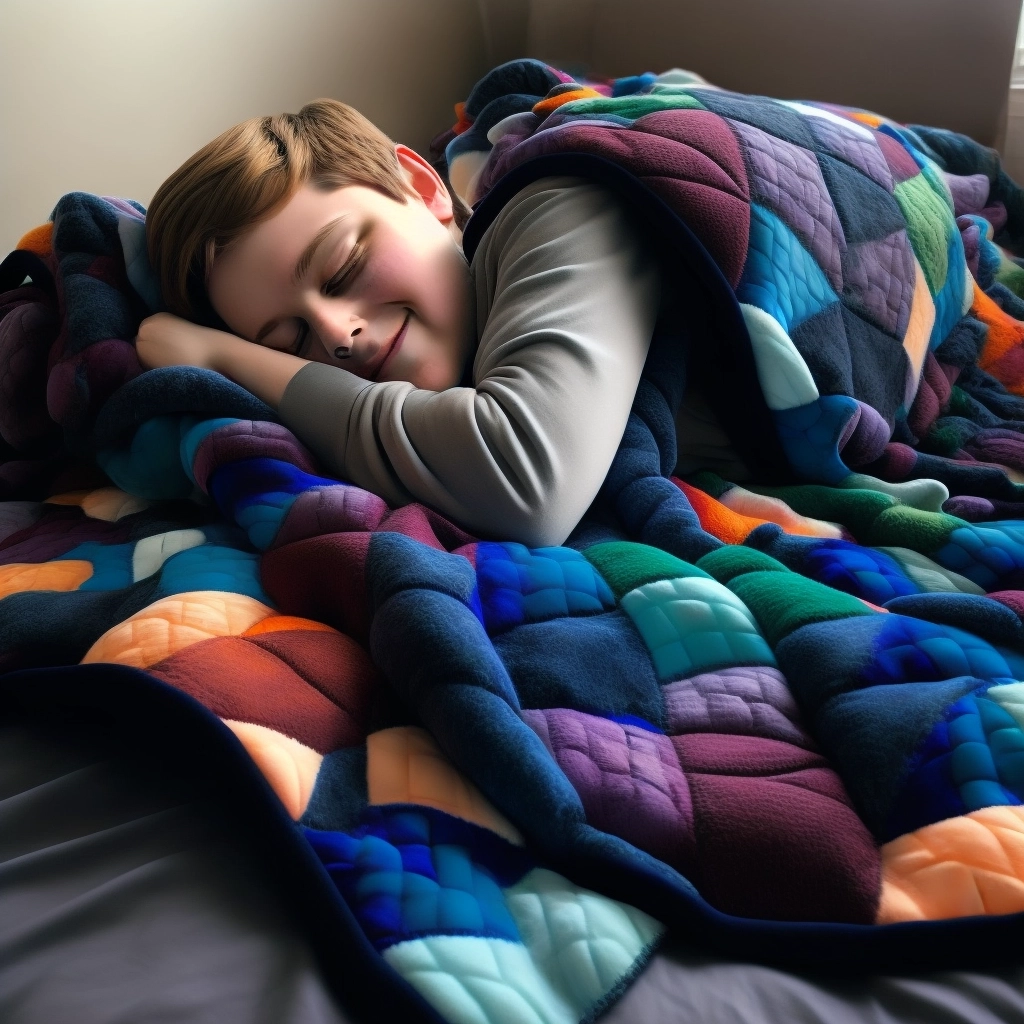
Selecting the fabric and filling for your weighted blanket is a balance of functionality, comfort, and durability. The outer layer, or shell, should be soft yet sturdy, capable of withstanding the weight of the blanket without pilling or fraying. Cotton is a popular choice for its breathability and hypoallergenic properties, making it suitable for sensitive skin. For those who prefer a smoother texture, minky fabric offers a plush, velvety feel that can be particularly soothing. Alternatively, bamboo blends provide moisture-wicking benefits, ideal for individuals who overheat easily.
The filling is the heart of the weighted blanket, determining both its weight and tactile experience. Polyethylene pellets are the most common choice due to their uniform density and ease of distribution. These small, round beads can be evenly sewn into fabric channels to prevent shifting, ensuring consistent pressure across the blanket. For a more natural alternative, glass beads offer a quieter option with a slightly smoother texture, though they require careful handling to avoid breakage. Some crafters experiment with a blend of both materials to achieve a balance of weight and flexibility.
Beyond the basics, consider the blanket’s breathability. Autistic individuals may struggle with temperature regulation, so opting for a breathable fabric or incorporating a moisture-wicking layer can enhance comfort. For warmer climates or restless sleepers, a quilted design with spaced stitching can improve airflow while maintaining even weight distribution.
Step-by-Step Guide to Crafting Your Weighted Blanket
Creating a weighted blanket is a project that rewards patience and precision. Begin by measuring the desired dimensions of your blanket, keeping in mind that it should cover the user from shoulders to feet for optimal coverage. A standard twin-size blanket (approximately 40 inches by 60 inches) is a versatile starting point, but custom sizes can be tailored to specific needs, such as a lap pad for desk use or a smaller blanket for travel.
Next, cut two identical pieces of fabric for the top and bottom layers of the blanket. If using a minky fabric, ensure the direction of the pile is consistent to avoid a mismatched appearance. Sew the layers together, leaving a gap large enough to insert the weighted filling. To prevent the filling from shifting, divide the blanket into smaller sections using a grid of stitches or channels. This can be done by sewing horizontal and vertical lines to create pockets, which will hold the pellets or beads in place.
Before filling the channels, calculate the total weight needed based on the user’s body weight. Divide this weight evenly among the channels to ensure balanced pressure. For example, a 15-pound blanket divided into 10 channels would require 1.5 pounds of filling per channel. Use a measuring cup or scale to portion the pellets or beads accurately, then distribute them evenly before sewing the final seam to close the blanket.
For added durability, consider reinforcing the seams with a double-stitch technique or using a serger to prevent fraying. If the blanket will be laundered frequently, attach a zipper or Velcro closure to the opening for easy access to the filling. Finally, give the blanket a thorough wash and dry to remove any residual dust from the fabric or filling before use.
Customizing Your Weighted Blanket for Specific Needs
While a standard weighted blanket can provide profound benefits, customization allows for a more tailored sensory experience. For individuals who are sensitive to texture, a two-layer design with a smooth outer shell and a softer inner layer can reduce tactile discomfort. Alternatively, incorporating a removable cover made from bamboo or organic cotton can simplify cleaning and allow for seasonal adjustments, such as a lighter cover for summer and a heavier one for winter.
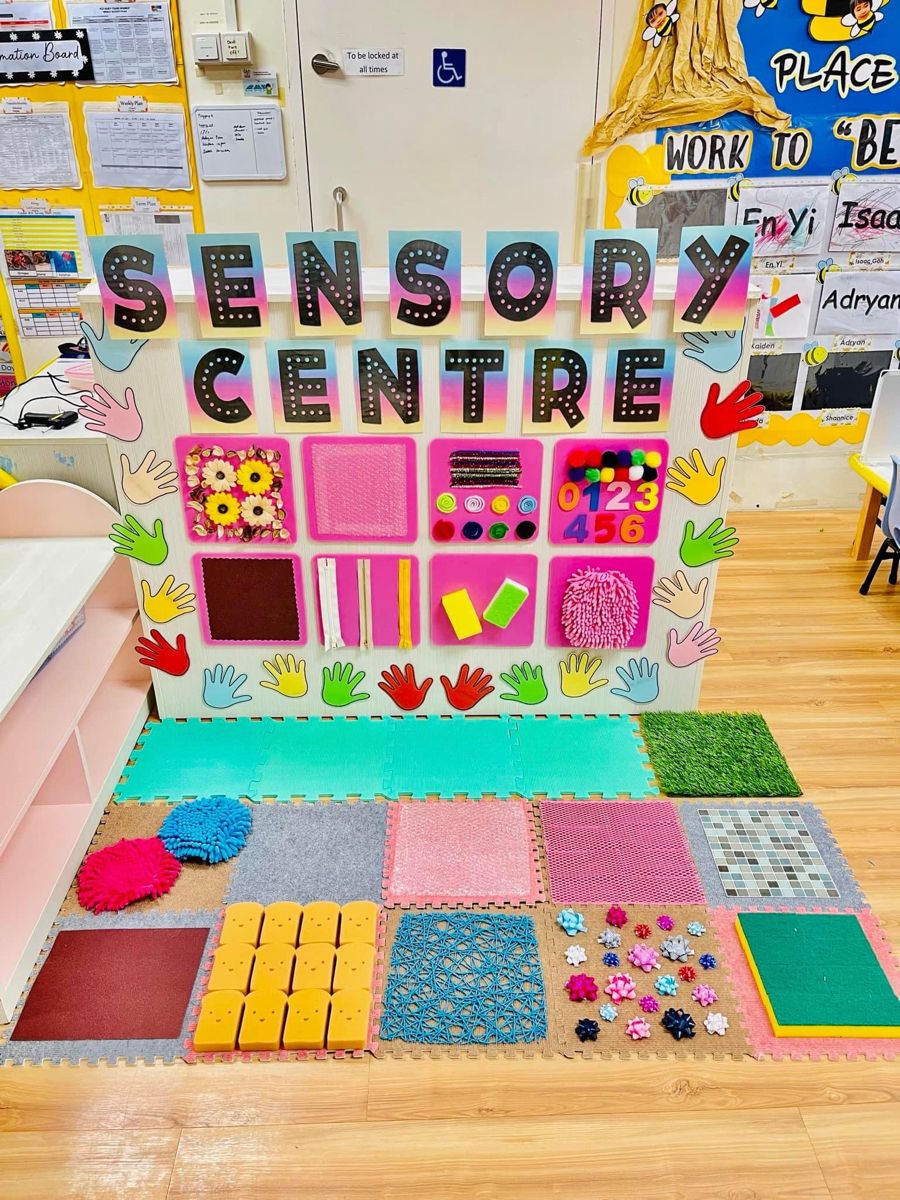
For autistic children who may also benefit from visual stimulation, consider adding subtle textures or patterns to the blanket’s surface. Raised embroidery, ribbons, or appliqués can provide additional tactile input, turning the blanket into a multi-sensory tool. Some crafters even integrate pockets or loops to attach small fidget toys, creating a dynamic sensory aid that can be used during waking hours as well as for sleep.
Temperature regulation is another critical factor. For those who overheat, a blanket with a moisture-wicking fabric or a breathable mesh layer can prevent discomfort. Conversely, individuals who feel cold may prefer a heavier filling or a flannel lining to retain warmth. Experimenting with different combinations of materials can help strike the perfect balance between weight, texture, and climate suitability.
Safety Considerations and Best Practices
While weighted blankets offer numerous benefits, safety should always be a top priority. Avoid using blankets for infants or very young children, as the risk of suffocation outweighs the potential advantages. For older children and adults, ensure the blanket is not too heavy, as excessive weight can restrict movement or cause discomfort. Always supervise the use of a weighted blanket, particularly for individuals who may have difficulty communicating their needs.
It’s also important to monitor the blanket’s condition over time. Regularly check for signs of wear, such as thinning fabric or loose stitching, which could compromise the blanket’s integrity. If the filling begins to shift or clump, it may be time to redistribute the pellets or beads or consider replacing the blanket. For hygiene, wash the blanket according to the fabric’s care instructions, using a mild detergent to avoid irritating sensitive skin.
Real-Life Applications and Testimonials

Parents and caregivers often share stories of transformation after introducing a weighted blanket into their autistic child’s routine. One mother recounted how her son, who previously struggled with bedtime transitions, began sleeping through the night after using a homemade weighted blanket. Another individual with autism described the blanket as a “portable hug,” using it during car rides and doctor’s appointments to manage anxiety. These anecdotes underscore the blanket’s versatility as both a therapeutic tool and a comfort object.
For some, the benefits extend beyond sleep. Teachers have reported improved focus in students who use weighted lap pads during classroom activities, while occupational therapists incorporate them into sensory diets to help clients regulate their emotions. The act of creating the blanket itself can also be therapeutic, offering a sense of accomplishment and a deeper connection to the sensory tools that support daily life.
Final Thoughts: Embracing Comfort on Your Terms
Crafting a weighted blanket is more than a DIY project—it’s an act of self-advocacy and sensory empowerment. By tailoring the blanket to your unique needs, you’re not just creating a functional item; you’re designing a sanctuary of calm in a world that can feel chaotic. Whether you’re a parent seeking solace for your child or an adult navigating the challenges of sensory overload, the process of making your own weighted blanket invites creativity, mindfulness, and a deeper understanding of your sensory preferences.
As you embark on this journey, remember that the goal is not perfection but personalization. Experiment with different weights, fabrics, and designs until you find the combination that feels like a second skin. In doing so, you’re not just crafting a blanket—you’re weaving a layer of comfort into the fabric of your daily life.