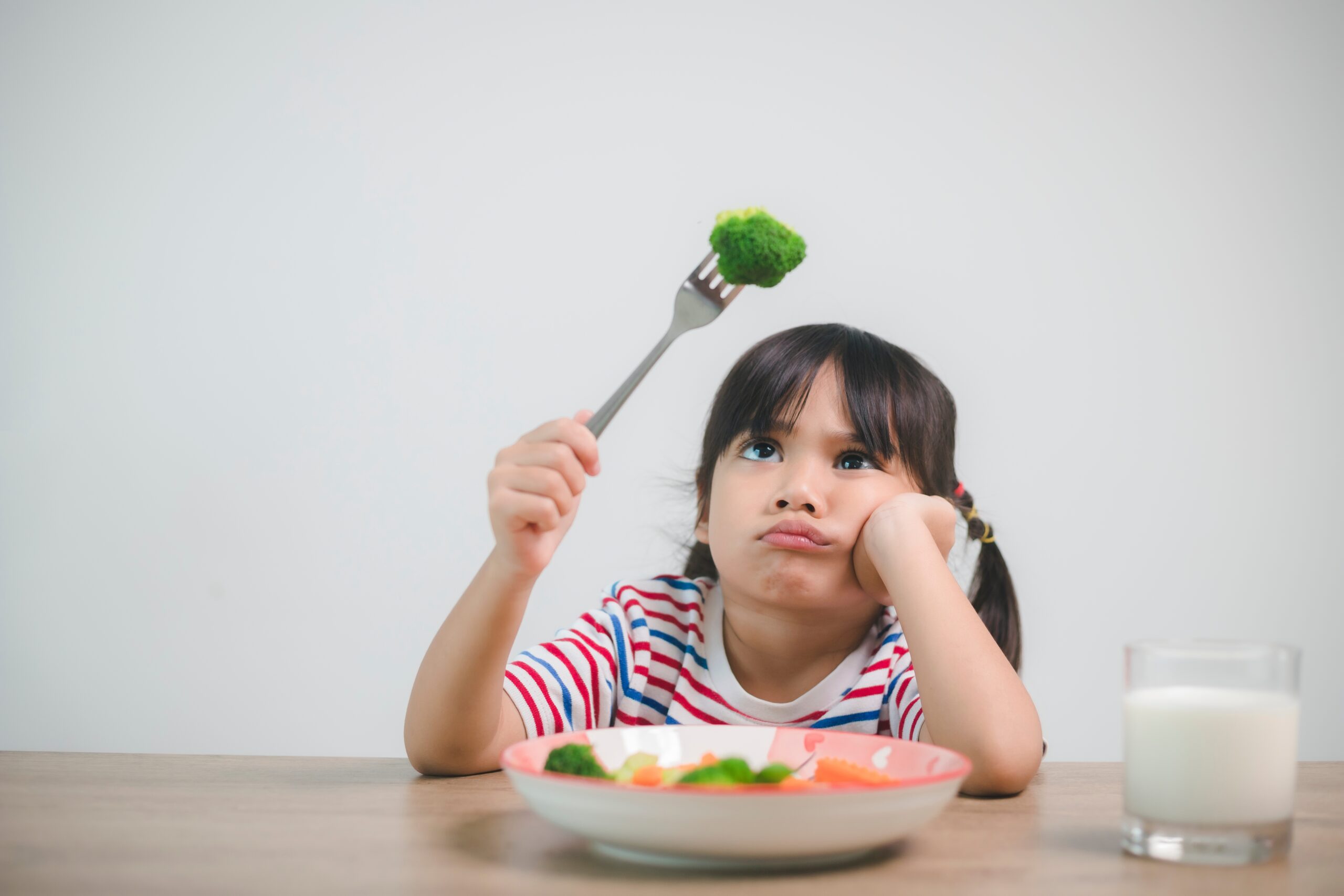
In the labyrinth of mealtime challenges, where battles over broccoli and negotiations over noodles feel like daily skirmishes, parents of neurodivergent children often find themselves navigating uncharted territory. Autism spectrum disorder (ASD) can cast a long shadow over the dining table, transforming what should be a communal act of nourishment into a battleground of textures, temperatures, and tastes. Yet, within this complexity lies an unexpected ally: the humble smoothie. Far more than a mere beverage, a well-crafted smoothie can become a silent revolution—a nutrient-dense elixir that bypasses the sensory hurdles of traditional eating while delivering the essential vitamins, minerals, and macronutrients a child’s growing body and developing mind crave.
Imagine a world where the act of feeding your child no longer feels like a high-stakes negotiation, where the fear of nutritional gaps dissolves into the hum of a blender’s motor. This is not a distant fantasy but a tangible reality for families who have reimagined mealtime through the lens of creativity and flexibility. Smoothies, with their malleable textures and customizable flavors, offer a bridge over the chasm of picky eating, providing a vehicle for nourishment that respects both the child’s sensory sensitivities and the parent’s nutritional goals. The key lies in understanding not just the *what* but the *why* and *how*—why certain ingredients work, how to tailor textures to individual preferences, and when to introduce these drinks as a complement rather than a crutch.

The Sensory Symphony: Why Smoothies Resonate with Neurodivergent Palates
For a child with autism, the dining experience is a symphony of sensations—each texture, color, and smell a distinct note that can either harmonize or clash. The rigid structure of a plate of food, with its disparate elements, can feel like a cacophony of overwhelming stimuli. Enter the smoothie: a single, homogenous vessel of nourishment that eliminates the chaos of mixed textures. Unlike a plate of food where each item demands separate attention, a smoothie presents a unified, predictable experience. The absence of visible lumps or separate components can reduce anxiety, making it a more palatable option for children who struggle with food aversions rooted in sensory processing differences.
Moreover, the act of drinking a smoothie is inherently less intrusive than eating. There’s no need to chew, no risk of unexpected textures, and no pressure to consume an entire serving in one sitting. This gentle approach aligns with the principles of exposure therapy, where small, manageable steps gradually desensitize a child to previously avoided foods. A smoothie can serve as a Trojan horse—disguising nutrient-dense ingredients like spinach or avocado within a familiar and appealing flavor profile. Over time, this can pave the way for greater acceptance of whole foods, as the child’s palate becomes accustomed to the tastes and textures in a less intimidating context.
The temperature of a smoothie also plays a crucial role. Cold, frothy drinks can be soothing for children who are sensitive to warm or hot foods, while the thickness of a smoothie can be adjusted to suit individual preferences—from a thin, sip-able consistency to a thicker, spoonable texture. This adaptability is a game-changer, allowing parents to meet their child where they are, rather than forcing them into a rigid mold of what “should” be eaten.
The Nutrient Arsenal: Crafting Smoothies That Fuel Body and Mind
Not all smoothies are created equal. A haphazard blend of fruit and yogurt might tantalize the taste buds, but it won’t necessarily deliver the nutritional firepower required to support a child with autism. The goal is to create a therapeutic elixir—a drink that not only satisfies cravings but also addresses common nutritional deficiencies associated with ASD, such as low levels of omega-3 fatty acids, vitamin D, magnesium, and fiber.
Let’s start with the base. Leafy greens like spinach or kale are non-negotiable for their magnesium and iron content, both of which are critical for cognitive function and energy regulation. For children who balk at the sight of greens, the key is to mask their presence with stronger flavors. A handful of basil or mint can add a fresh, herbal note, while a splash of pineapple or mango can overpower any bitterness. Avocado is another powerhouse, providing healthy fats that support brain development and a creamy texture that blends seamlessly into most smoothies. Its mild, buttery flavor is often well-tolerated, even by children who reject other fats like nut butters.

The protein component is equally vital. Many children with autism have higher protein needs due to metabolic differences, and a lack of adequate protein can exacerbate behavioral challenges. Greek yogurt, silken tofu, or a scoop of unflavored pea protein can provide a neutral-tasting base that’s easy to incorporate. For those with dairy sensitivities, coconut yogurt or hemp seeds offer viable alternatives. Healthy fats are the unsung heroes of this equation, with sources like chia seeds, flaxseeds, or nut butters (if tolerated) providing omega-3s that support brain health and reduce inflammation. A tablespoon of almond butter or a sprinkle of ground flaxseed can transform a smoothie from a fleeting snack into a sustained source of energy.
Finally, don’t underestimate the power of low-sugar fruits like berries or green apples. These provide antioxidants and fiber without the blood sugar spikes that can lead to mood swings or energy crashes. A splash of unsweetened almond milk or coconut water can dilute the sweetness while adding hydration—a critical yet often overlooked aspect of nutrition for children who may not drink enough water throughout the day.
The Art of Customization: Tailoring Smoothies to Individual Needs
No two children with autism are alike, and neither should their smoothies be. The beauty of this approach lies in its adaptability. For the child who rejects all things green, a tropical escape smoothie—blending mango, banana, coconut milk, and a handful of spinach—can be a gateway to gradually introducing greens. For the child who craves crunch, adding a sprinkle of granola or a few ice cubes can mimic the texture they miss from solid foods. The process of customization is not just about nutrition; it’s about empowerment. It allows the child to have a say in what they consume, fostering a sense of autonomy that can extend beyond the blender.
Timing is another critical factor. A smoothie consumed first thing in the morning can provide a gentle, digestible start to the day, while an afternoon blend can stave off the energy dips that often precede meltdowns. For children who struggle with constipation—a common issue in ASD—a smoothie packed with prunes, flaxseeds, and kiwi can act as a natural laxative, offering relief without the discomfort of medication. Conversely, an evening smoothie with chamomile tea and tart cherry can promote relaxation and better sleep, addressing another pervasive challenge in neurodivergent households.
Parents should also consider the presentation of the smoothie. A vibrant purple smoothie made with blueberries and beetroot can feel like a treat rather than a chore, while serving it in a fun cup with a colorful straw can make the experience feel like a reward. The goal is to reframe the smoothie from a “medicine” to a delight—something to look forward to rather than endure.
Beyond the Blender: Integrating Smoothies into a Holistic Approach
A smoothie is not a panacea, nor should it replace all other forms of nutrition. Instead, it should be viewed as one tool in a broader toolkit. For families navigating the complexities of autism, consistency is key. Introducing smoothies as a regular part of the routine—perhaps as a mid-morning snack or a post-school pick-me-up—can help normalize the habit. Over time, this consistency can reduce resistance, as the child comes to associate the smoothie with positive experiences rather than pressure or frustration.
It’s also important to monitor progress and adjust as needed. If a child initially refuses a smoothie but gradually accepts it when the ingredients are tweaked, that’s a victory worth celebrating. Conversely, if a smoothie becomes a crutch that replaces all other foods, it may be time to reassess the approach. The aim is balance: using smoothies to fill nutritional gaps without inadvertently reinforcing selective eating habits.

Collaboration with healthcare providers—such as nutritionists, occupational therapists, or dietitians specializing in autism—can provide invaluable guidance. These professionals can offer insights into specific deficiencies, recommend supplements if necessary, and help tailor smoothie recipes to address individual health concerns. For example, a child with gastrointestinal issues might benefit from a smoothie with added probiotics (like kefir or yogurt) to support gut health, while another with sensory aversions to certain textures might prefer a smoother, silkier consistency achieved with oat milk or silken tofu.
The journey of feeding a neurodivergent child is not a linear one. There will be days when a smoothie is met with enthusiasm, and others when it’s met with outright refusal. What matters is the willingness to adapt, to experiment, and to celebrate small victories. A smoothie is more than a drink; it’s a symbol of hope—a testament to the fact that nourishment can be both gentle and powerful, both flexible and structured. It’s a reminder that even in the face of challenges, there are always new paths to explore, new flavors to discover, and new ways to say, “I see you, and I’m here to support you.”
So, the next time mealtime feels like a battleground, consider reaching for the blender instead of the negotiating table. With each sip, you’re not just feeding your child; you’re nourishing their resilience, their curiosity, and their capacity to thrive—one sip at a time.