In a world where chaos often feels like the default setting, imagine stepping into a home that breathes tranquility—a sanctuary where every object has its place, and sensory overload is a distant memory. For individuals on the autism spectrum, the environment isn’t just a backdrop; it’s a dynamic force that shapes their daily experience. Home organization, when approached with intention, becomes more than a chore—it transforms into a lifeline, a tool for empowerment, and a bridge to inner calm. This isn’t about rigid minimalism or sterile perfection. It’s about crafting a space that harmonizes with the unique sensory and cognitive needs of its inhabitants, where order isn’t imposed but cultivated with care. The promise here is simple yet profound: a home that doesn’t just shelter but nurtures, where every corner whispers, “You belong.”

The Sensory Landscape: Why Home Organization Matters for Autism
For many autistic individuals, the world is a symphony of stimuli—some harmonious, others jarring. A flickering overhead light, the hum of a refrigerator, or the texture of a scratchy sweater can feel like nails on a chalkboard. Home organization isn’t merely aesthetic; it’s a form of sensory architecture. The way items are stored, the colors on the walls, even the placement of furniture can either amplify chaos or mute its intensity. Consider the difference between a room with open shelves displaying a cacophony of colors and textures versus one with closed storage, soft hues, and defined zones. The latter doesn’t just look tidy—it feels like a weighted blanket for the nervous system.
Clutter isn’t just visual noise; it’s cognitive overload. The brain, already working overtime to process sensory input, must also navigate the mental tax of locating misplaced keys or deciphering a pile of laundry. A well-organized space reduces the mental bandwidth required to function, freeing up energy for creativity, rest, or connection. For autistic individuals, this can mean the difference between exhaustion and engagement, between withdrawal and participation. The goal isn’t to eliminate all sensory input but to curate it deliberately, ensuring that the environment aligns with the individual’s thresholds and preferences.
Zoning: The Art of Designing Purposeful Spaces
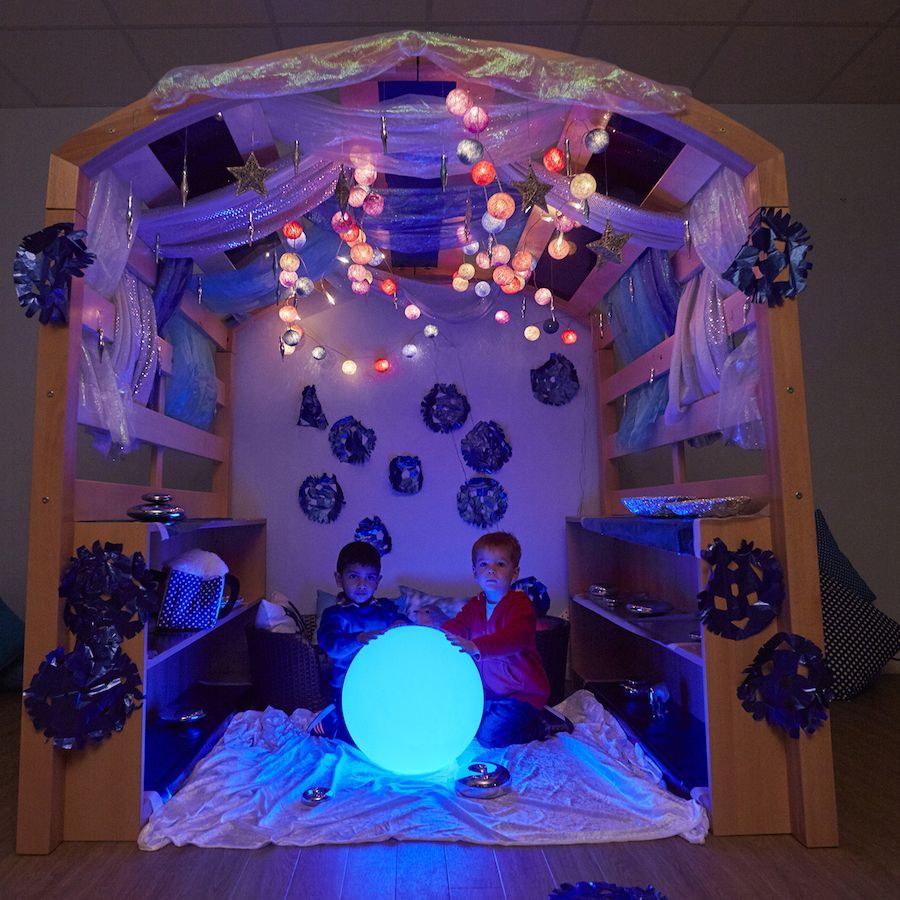
Every home should be a constellation of purpose, where each room and even each corner serves a distinct function. Zoning transforms a house into a navigable map, reducing the anxiety of the unknown. Start by identifying the primary activities that occur in each space—sleeping, working, relaxing, or sensory regulation—and then design accordingly. A bedroom, for instance, might prioritize soft lighting, blackout curtains, and a clutter-free nightstand to signal rest. A sensory retreat—a cozy nook with weighted blankets, textured fabrics, or noise-canceling headphones—can become a refuge during moments of overwhelm.
Transitions between zones should be intuitive. A clear pathway, whether marked by a rug’s edge or a change in flooring, can guide the mind from one activity to the next. For autistic individuals who thrive on routine, these visual cues provide a sense of predictability. Imagine a child who struggles with the shift from playtime to mealtime: a small placemat placed on the table at the same time each day can serve as a silent cue, easing the transition. Zoning isn’t about rigid segregation; it’s about creating a rhythm that the brain can anticipate and trust.

Storage Solutions: The Alchemy of Accessibility and Aesthetics
Storage isn’t just about hiding clutter—it’s about making the essentials effortlessly accessible while minimizing visual chaos. The key lies in tailoring systems to the individual’s needs. For someone who struggles with fine motor skills, pull-out bins or labeled drawers with large handles can be a game-changer. Clear containers, while often recommended, may not suit everyone; some autistic individuals find them overwhelming or even distressing. Instead, consider opaque bins with tactile labels—perhaps Braille, symbols, or even textured tags—to convey information without relying solely on sight.
Vertical space is often underutilized but can be a boon for organization. Wall-mounted shelves or pegboards keep frequently used items within reach while keeping floors clear. For items that don’t need daily access, higher shelves or closed cabinets can reduce visual clutter. The goal is to create a system where retrieval is intuitive and returning items to their place is just as effortless. This might mean designing storage solutions that align with the individual’s natural workflow—whether that’s a “drop zone” near the entrance for keys and bags or a designated spot for sensory tools like fidget toys or noise-canceling headphones.
Color and Texture: Crafting a Palette of Comfort
The psychology of color and texture is a powerful tool in creating a sensory-friendly home. While preferences vary widely, certain hues and materials tend to evoke calm. Soft blues, greens, and neutrals can create a soothing atmosphere, while warm tones like terracotta or mustard may feel more grounding. Avoid high-contrast patterns or overly bright colors, which can be visually jarring. Instead, opt for matte finishes and muted tones that absorb rather than reflect light.
Texture plays an equally crucial role. Rough fabrics like burlap or corduroy might be overwhelming for some, while others may seek them out for their tactile feedback. Smooth surfaces, such as polished wood or ceramic, can provide a sense of order and cleanliness. Consider the tactile experience of everyday interactions—how a blanket feels against the skin, the smoothness of a doorknob, or the softness of a rug underfoot. These details might seem minor, but they accumulate into a lived experience that either supports or undermines well-being.
Routine and Ritual: The Unseen Threads of Organization
Organization isn’t a one-time project; it’s an ongoing practice, a dance between habit and adaptability. Routines provide the scaffolding that holds a sensory-friendly home together. A nightly “reset” ritual—where surfaces are cleared, floors are swept, and tomorrow’s essentials are laid out—can ease the transition into sleep or the next day. For autistic individuals, predictability is a cornerstone of comfort. Knowing that the environment will look and feel the same at certain times of day reduces anxiety and fosters a sense of control.
Involve the individual in the process. If they’re verbal, ask for their input on storage solutions or color preferences. If they’re nonverbal, observe their reactions to different textures or layouts. The goal isn’t to impose an ideal but to co-create a space that feels like a second skin—familiar, functional, and deeply personal. Over time, these routines become ingrained, transforming organization from a chore into a form of self-care.
The Ripple Effect: How a Sensory-Friendly Home Transforms Lives
The impact of a well-organized, sensory-friendly home extends far beyond tidy surfaces. It can reduce meltdowns, improve sleep, and enhance focus. It can foster independence, as the individual learns to navigate their environment with confidence. It can even strengthen relationships, as caregivers and loved ones spend less time managing chaos and more time connecting. This isn’t about achieving perfection; it’s about creating a space that meets the individual where they are, offering both shelter and support.
Consider the child who once refused to enter their bedroom due to overwhelming textures or the adult who now sleeps through the night in a room designed for sensory regulation. These aren’t just changes in environment—they’re shifts in quality of life. A home that works in harmony with the nervous system doesn’t just accommodate differences; it celebrates them, turning what were once barriers into pathways of possibility.
In the end, a sensory-friendly home is a living testament to the idea that order and comfort aren’t mutually exclusive. It’s a space where chaos is tamed not by force but by intention, where every object and color and texture serves a purpose. It’s a promise that the world outside may still be unpredictable, but within these walls, there is sanctuary. And in that sanctuary, there is room to breathe, to grow, and to simply be.