
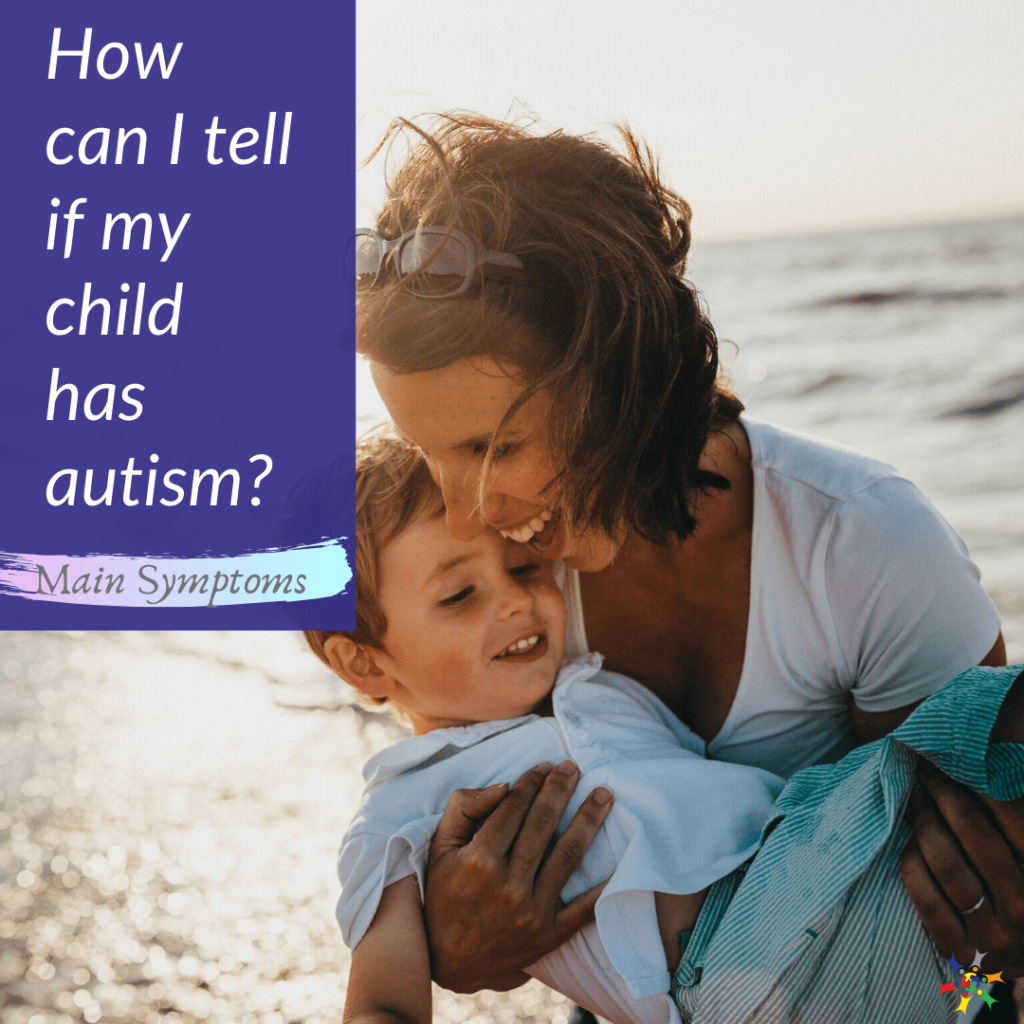
Discovering whether your child is autistic can feel like embarking on an intricate journey, one that challenges preconceived notions and inspires a profound shift in understanding. The subtle nuances of autism spectrum disorder (ASD) often elude even the most observant eyes, yet becoming attuned to these signals can transform apprehension into empowerment. This exploration uncovers the often-overlooked hallmarks of autism in children, offering clarity amidst ambiguity while fostering a compassionate perspective.
Recognizing Early Behavioral Markers
The earliest indicators of autism frequently manifest in patterns of social interaction and communication. Unlike typical developmental milestones, autistic children might display subtle deviations that, when observed closely, reveal an alternate mode of engagement with the world. For instance, a child who consistently avoids eye contact or appears indifferent to social stimuli challenges the common expectations of interpersonal connection.
These behavioral idiosyncrasies are not mere quirks, but rather critical cues. Repetitive motions such as hand flapping, rocking, or a fixation on specific objects can serve as nonverbal expressions of inner sensibilities. Moreover, delayed speech or atypical use of language—such as echolalia, which involves echoing words or phrases—may further hint at divergent neurological pathways influencing communication.
Understanding Sensory Sensitivities
Autism often involves an intensified or diminished response to sensory stimuli. This sensory processing difference can range from hypersensitivity to sounds, lights, or textures, to an apparent indifference to pain or heat. Such sensory peculiarities aren’t well-known publicly but are crucial for interpreting your child’s interactions with their environment.

A child might cover their ears in response to everyday noises that others overlook or display distress during routine activities that involve tactile input. Recognizing these sensory experiences helps to demystify behaviors that could otherwise be misunderstood as obstinance or defiance. Instead, they represent an authentic response to overwhelming sensory data.
Social Communication and Emotional Reciprocity
One of the profound shifts in understanding autism pivots on appreciating varied expressions of social reciprocity. Autistic children often struggle with the implicit rules of social interaction, such as taking turns in conversation or recognizing emotional cues. This doesn’t imply a lack of emotion or interest but rather difference in processing and expressing emotional dialogs.
You might notice your child prefers solitary play or has difficulty forming peer relationships. They may not respond to their name being called, or might seem uninterested in shared enjoyment, such as joint attention to an object or event. These observations, while subtle, are significant stepping stones toward understanding ASD.
Communication Idiosyncrasies Beyond Speech
Beyond verbal language, nonverbal communication often reveals essential insights into autism. Facial expressions, gestures, and body language may diverge from typical patterns. For example, the absence of typical gestures like pointing to show interest or waving goodbye could indicate differences in social development.
In some children, atypical intonation or pitch—what professionals term prosody—may lead to speech that sounds robotic or singsong. These differences, when contextualized appropriately, underscore the rich diversity in human communication rather than deficits.
Identifying Strengths Amidst Challenges
Recognizing autism also means acknowledging the unique strengths that often accompany the diagnosis. Exceptional memory, intense focus on specific interests, or advanced visual-spatial skills can emerge as remarkable abilities in autistic children. This realization fosters an empowering perspective, suggesting that autism is not solely about limitations but also about distinctive talents and viewpoints.

Supporting these strengths provides a foundation for positive development, encouraging growth in ways that align with the child’s inherent proclivities. This reframing from deficit to difference encourages inclusivity and appreciation for neurodiversity.
Navigating Diagnostic Pathways
Though self-observation is vital, a definitive diagnosis involves comprehensive evaluation by professionals specializing in developmental disorders. Behavioral assessments, developmental history, and standardized diagnostic tools are integral to this process. A multidisciplinary approach ensures that all dimensions—from cognitive abilities to sensory processing—are considered holistically.
Early identification is paramount. The earlier autism is recognized, the sooner interventions can be implemented to support optimal outcomes. This proactive approach hinges on attentive observation and a willingness to explore possibilities beyond initial assumptions.
Cultivating Empathy and Patience
Perhaps the most profound paradigm shift lies in embracing patience and empathy throughout this discovery journey. Autism challenges families to reconsider normative frameworks and broaden their perspectives on communication and interaction. Each child’s experience is unique, and understanding requires ongoing learning and adaptation.
Rather than seeking a singular “answer,” appreciating the spectrum of behaviors and traits invites richer connections and more nuanced support. This empathetic stance nurtures resilience and fosters environments where children can flourish authentically.
In closing, the path to discerning whether your child is autistic is one marked by observation, understanding, and compassionate inquiry. It compels caregivers to notice the invisible threads of behavior, sensory processing, and communication that weave a distinct neurodevelopmental tapestry. By embracing this journey with openness and informed curiosity, families can unlock new avenues for meaningful support and celebrate the extraordinary diversity within every child.












