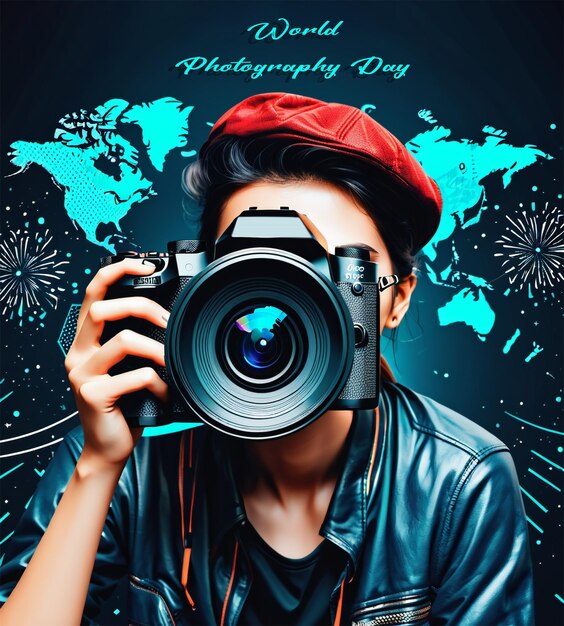
Autism and Photography: Capturing the World Through a Different Lens
Photography is more than a visual art—it is a language of perception, a medium through which the world is not merely seen but felt, interpreted, and shared. For individuals on the autism spectrum, this language often resonates with profound depth, offering a unique vantage point from which to observe, document, and articulate experiences that may elude conventional description. Autism, characterized by diverse cognitive and sensory processing styles, shapes how one engages with light, color, movement, and emotion. Photography, in turn, becomes a bridge between inner perception and external expression, a tool for navigating a world that can feel overwhelming yet endlessly fascinating. This article explores the intersection of autism and photography, revealing how this art form serves as both a creative outlet and a therapeutic practice, empowering individuals to capture their unique vision of reality.

Photography, at its core, is an act of selective attention—a deliberate choice to frame a moment, isolate a subject, and distill meaning from chaos. For autistic individuals, whose sensory experiences may be heightened or fragmented, this act of framing can be a grounding ritual. The camera becomes a mediator between the self and the environment, allowing for controlled engagement with stimuli that might otherwise feel intrusive. Through the lens, the world is not just observed but curated, offering a sense of order and predictability in a sensory landscape that often resists it. This curated vision can reveal patterns, textures, and narratives that others might overlook, transforming ordinary scenes into extraordinary compositions.
Moreover, photography provides a non-verbal means of communication, a universal language that transcends the limitations of spoken or written expression. For those who struggle with social interaction or verbal articulation, the camera offers a voice—one that speaks through composition, color, and contrast. A photograph can convey emotions, memories, and perspectives that words cannot, making it an invaluable tool for self-advocacy and connection. In this way, photography does not merely document the external world; it becomes a mirror reflecting the internal landscape of the photographer, revealing the intricacies of their thought processes and emotional responses.
The Art of Perception: How Autism Shapes Visual Storytelling
Autism often brings with it a distinct perceptual style—one that is highly attuned to detail, pattern, and sensory nuance. This heightened sensitivity can transform the act of photography into a deeply immersive experience, where every element within the frame is scrutinized for its emotional weight and symbolic resonance. For autistic photographers, the world is not a blur of indistinct shapes but a tapestry of interconnected details, each worthy of contemplation. This meticulous attention to detail can result in images that are rich in texture, symmetry, and metaphor, offering viewers a glimpse into a way of seeing that is both alien and profoundly human.
Consider the way an autistic photographer might capture a bustling city street. While others see a chaotic jumble of movement and noise, the autistic lens might isolate the rhythmic sway of a streetlamp, the interplay of shadows on cobblestone, or the fleeting expression of a passerby. These elements are not merely background noise; they are the building blocks of a narrative, a story told through visual cues rather than words. This approach to photography is not about capturing a moment in time but about dissecting it, revealing the hidden structures and patterns that underpin our perception of reality.

Additionally, autism can foster a unique relationship with color and light. Some autistic individuals experience synesthesia-like perceptions, where colors evoke specific emotions or sensations, or where light is perceived as a tangible presence rather than an abstract phenomenon. This heightened sensitivity to visual stimuli can infuse photographs with a luminous quality, where colors are not just seen but felt. A photograph taken by an autistic artist might pulse with an almost tactile energy, inviting viewers to not just look but to experience the image on a visceral level. This sensory richness can make autistic photography particularly compelling, as it transcends the boundaries of traditional visual art to engage the viewer on a multi-dimensional plane.
Therapeutic Lens: Photography as a Tool for Self-Expression and Healing
Beyond its creative potential, photography serves as a powerful therapeutic tool for individuals on the autism spectrum. The act of taking photographs can be a meditative practice, a way to slow down and engage with the world in a mindful, intentional manner. For those who experience sensory overload or emotional dysregulation, photography offers a structured outlet for processing feelings and experiences. The camera becomes a companion, a silent witness to moments of joy, frustration, or introspection, allowing the photographer to externalize and examine their inner world without judgment.
Photography therapy, often used in conjunction with other therapeutic modalities, can help autistic individuals develop emotional regulation skills, improve communication, and build self-esteem. By focusing on the act of capturing an image, individuals can practice mindfulness, grounding themselves in the present moment and finding solace in the act of creation. The resulting photographs can serve as a visual diary, a record of personal growth and self-discovery. For some, this process can be transformative, helping them articulate emotions that are difficult to express verbally and fostering a deeper understanding of their own identity.
Moreover, photography can facilitate social connection, bridging the gap between autistic individuals and their peers. Group photography projects, such as collaborative photo walks or themed photo challenges, provide opportunities for shared experiences and mutual support. These activities can help individuals develop social skills in a low-pressure environment, where the focus is on creativity rather than social performance. The resulting images can also serve as a bridge for communication, offering a tangible starting point for conversations and connections that might otherwise feel daunting.
Documenting the Unseen: Photography as Advocacy and Awareness
Photography has long been a tool for advocacy, a means of shedding light on issues that are often overlooked or misunderstood. For autistic individuals, photography can be a powerful form of self-advocacy, a way to challenge stereotypes and share their unique perspectives with the world. Through their lenses, autistic photographers can document their experiences, their challenges, and their triumphs, offering viewers a firsthand glimpse into a world that is often shrouded in misconception. These images can serve as a counter-narrative to the prevailing stereotypes about autism, revealing the diversity and richness of autistic experiences.

One of the most compelling aspects of autistic photography is its ability to capture the unseen—the subtle, often overlooked moments that define the autistic experience. A photograph might depict the quiet joy of stimming, the intense focus of deep interest, or the sensory overload of a crowded space. These images can evoke empathy and understanding, helping viewers to see autism not as a monolith but as a spectrum of experiences, each with its own beauty and complexity. By sharing their work, autistic photographers can foster a more inclusive and compassionate society, one that values neurodiversity and celebrates the unique contributions of every individual.
Photography can also be a tool for raising awareness about the specific needs and challenges faced by autistic individuals. For example, a series of photographs documenting the sensory environments of different spaces—from quiet libraries to bustling markets—can highlight the importance of creating inclusive, sensory-friendly spaces. Similarly, images that capture the struggles of navigating social interactions or the frustrations of communication barriers can spark conversations about the need for better support and accommodations. In this way, photography becomes not just an art form but a catalyst for change, a means of amplifying voices that are often silenced.
Practical Pathways: Tips for Autistic Photographers and Allies
For those interested in exploring photography as a creative or therapeutic outlet, there are several practical considerations to keep in mind. First and foremost, it is essential to choose equipment that feels comfortable and intuitive. Cameras come in all shapes and sizes, from compact point-and-shoot models to advanced DSLRs, and the best choice is the one that feels like an extension of the photographer’s hand. For some, a smartphone camera may be the most accessible option, offering ease of use and portability without sacrificing quality. The key is to select a tool that minimizes sensory or cognitive barriers, allowing the photographer to focus on the creative process rather than the mechanics of the device.
When approaching photography, it can be helpful to set small, achievable goals. For example, a photographer might start by focusing on a single subject, such as a favorite object or a familiar location, and gradually expand their scope as they become more comfortable with the process. This incremental approach can help build confidence and reduce the pressure to create a “perfect” image. Additionally, experimenting with different genres—such as macro photography, landscape, or portraiture—can help photographers discover what resonates with them and refine their artistic voice.
For allies or caregivers supporting autistic photographers, it is important to create an environment that fosters creativity without imposing expectations. Offering gentle encouragement and celebrating small successes can go a long way in building confidence. It can also be helpful to provide opportunities for sharing and feedback, whether through online communities, local photography groups, or exhibitions. These platforms not only validate the photographer’s work but also connect them with a community of like-minded individuals who can offer support and inspiration.
The Future of Autistic Photography: A Canvas of Possibilities
The intersection of autism and photography is a fertile ground for innovation and expression, a space where creativity and neurodiversity converge to produce art that is as unique as the individuals who create it. As awareness of neurodiversity grows, so too does the recognition of the value that autistic perspectives bring to the world of visual art. Photography, with its ability to capture the intangible and communicate the inexpressible, is poised to play a pivotal role in this evolution, offering a platform for autistic voices to be heard and celebrated.
Looking ahead, the future of autistic photography holds immense potential. Emerging technologies, such as artificial intelligence and virtual reality, are opening new avenues for creative exploration, allowing photographers to experiment with immersive storytelling and interactive experiences. These tools can further democratize the art form, making it more accessible to individuals with diverse needs and abilities. Additionally, the rise of digital platforms and social media has created unprecedented opportunities for autistic photographers to share their work with a global audience, fostering connections and collaborations that transcend geographical boundaries.
Ultimately, the fusion of autism and photography is a testament to the power of art to transcend barriers, to connect us across differences, and to reveal the beauty in the world around us. It is a reminder that perception is not a monolith but a spectrum, and that every lens, no matter how different, offers a new way of seeing. As we continue to explore this intersection, we are not just capturing images; we are capturing stories, emotions, and perspectives that enrich our collective understanding of what it means to be human.