Imagine the natural world as a vast, intricate symphony—each rustling leaf, each babbling brook, a note in a composition designed not only to soothe but to awaken. For individuals on the autism spectrum, this symphony holds a uniquely resonant power. The interplay between autism and nature is a compelling dance where the environment transcends its traditional role, becoming a catalyst for sensory engagement, emotional regulation, and profound growth. Immersing in the outdoors is more than merely a pastime; it is an invitation to unravel the rich tapestry of experience through senses often heightened or sensitized in autistic individuals.
The Enchanting Canvas of Nature and its Sensory Richness
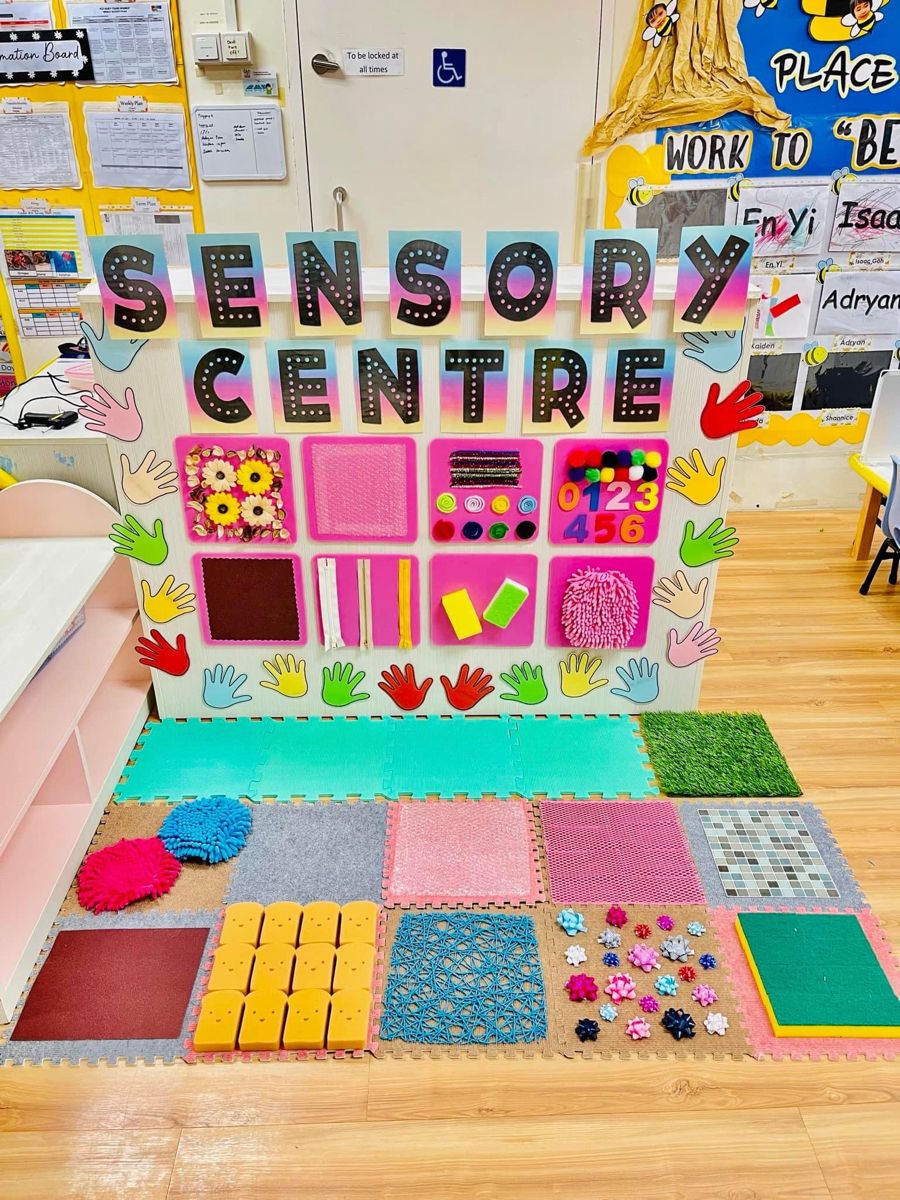
Nature serves as an extraordinary sensory canvas, replete with textures, sounds, colors, and scents that can captivate the autistic mind in ways artificial environments rarely replicate. Unlike the overstimulation often encountered in urban settings, the natural world offers sensory input with a harmonious cadence—balanced yet stimulating, familiar but endlessly varied.
For many on the spectrum, the outdoors provides a sanctuary where sensory overload mellows into a gentle cascade of stimulation. The whisper of wind through the trees or the tactile pleasure of moss beneath fingertips can ground individuals in the present moment, a phenomenon sometimes described as “sensory grounding.” This interaction can nurture sensory integration, helping assimilation of stimuli that might otherwise be overwhelming.

Emotional Equilibrium: Nature as a Calming Arbiter
The natural environment often emerges as a sublime mediator of emotional turbulence. Emotional regulation, an area frequently challenging for those with autism, benefits profoundly from gentle exposure to nature’s rhythms. The cyclical patterns of sunrise and sunset, the leisurely flow of streams, or the predictable yet intricate patterns of leaves encourage a subtle recalibration of emotional states.
Engaging with natural surroundings can reduce anxiety and agitation, fostering a sense of peace akin to the serene silence between symphonic movements. The outdoors offers a nonjudgmental space where emotional expression unfolds organically and personal pace is honored without external pressure.
Facilitating Communication and Social Interaction
Nature can also function as a social catalyst, subtly encouraging interaction through shared experiences and collaborative exploration. Group activities such as gardening, hiking, or nature walks create communal spaces where communication might flow more fluidly, aided by the distraction-free environment and shared attention to external stimuli rather than direct interpersonal focus.
Here, communication need not be confined to verbal exchanges. The language of nature—pointing to a bird, sharing a discovery of an insect, or jointly navigating a trail—offers alternative modes to build connections, nurturing social skills in nurturing and non-threatening contexts.

Empowerment Through Mastery and Independence
Outdoor time cultivates a unique sense of empowerment for autistic individuals. Mastering new environments, whether by observing patterns in nature or navigating physical spaces, fosters independence and self-confidence. The very act of exploration—taking in the photograph of a spring meadow or the first delicate buds of early bloom—imbues a palpable sense of accomplishment.
These experiential successes are building blocks for resilience, providing a framework for coping with change and uncertainty, challenges often pronounced in autism. Nature’s unpredictability paradoxically becomes a secure arena for practicing adaptation, encouraging flexibility within a structured yet ever-evolving setting.
Holistic Health: Physical, Mental, and Cognitive Benefits
Conjoining outdoor pursuits with autistic support unlocks a trifecta of benefits encompassing physical, mental, and cognitive health. Physical coordination improves through activities such as climbing, balancing, or simply walking on varied terrain, all critical for motor development. Meanwhile, increased oxygen intake and vitamin D synthesis enhance brain function and overall vitality.
Cognitively, the outdoors provides opportunities for curiosity-driven learning: identifying flora and fauna, observing ecological relationships, and engaging in scientific inquiry. Such interactions promote executive functioning skills including observation, memory, and problem-solving, stimulating intellectual growth in a holistic manner.
The Unique Appeal: A Personalized Natural Sanctuary
What sets nature apart is its inexhaustible capacity to be personalized. The autistic experience is diverse, and outdoor time allows each individual to tailor their interaction to suit their sensory preferences and emotional needs. Some may find solace in the quiet stillness of a remote forest glade, while others might be energized by the buzz of a flowering meadow alive with pollinators.
This personal resonance heightens engagement, fostering intrinsic motivation to return to nature’s embrace repeatedly, each visit enriching the next. Thus, nature becomes more than a space—it transforms into a personalized sanctuary, a therapeutic haven crafted uniquely for every individual on the spectrum.
In the intricate dance between autism and nature lies a profound truth: the outdoors is not simply a backdrop but an active participant in nurturing growth, sensory harmony, and emotional depth. The benefits stretch far beyond momentary refuge, embedding themselves in the long-term wellbeing of autistic individuals. As society continues to unravel the mysteries of autism, the natural world remains a timeless ally—patient, generous, and endlessly inspiring. Engaging with nature is not just a recommendation; it is an invitation to rediscover connection, balance, and the infinite possibilities that flourish beyond the walls.