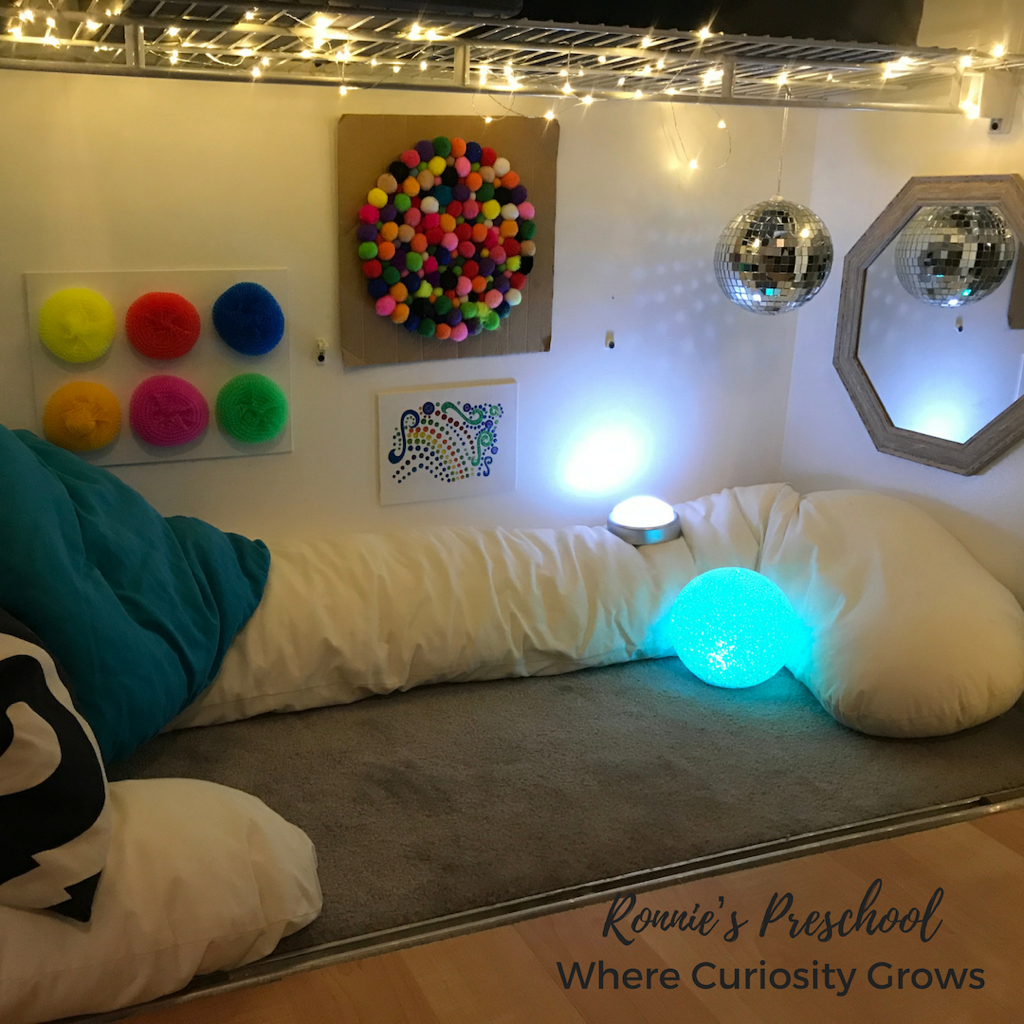
For many neurodivergent individuals, particularly those with autism, the bedroom is more than just a place to sleep—it is a sanctuary, a carefully curated cocoon where sensory overload can be mitigated and tranquility can flourish. The fascination with designing autism-friendly bedrooms stems from a profound understanding: that the environment shapes behavior, emotions, and even cognitive function. Unlike conventional bedroom aesthetics, which prioritize style over substance, autism-informed design embraces functionality, predictability, and sensory harmony. This approach isn’t merely about aesthetics; it’s about crafting a space that aligns with the neurological wiring of its occupant, offering respite from a world that often feels overwhelming.
The quest for an ideal autism-friendly bedroom is rooted in the recognition that sensory sensitivities—whether to light, sound, texture, or even scent—can dictate comfort levels. Many autistic individuals experience the world in a heightened or dulled manner, making standard bedroom environments potential minefields of discomfort. A flickering overhead light, the hum of a refrigerator, or the roughness of a cotton sheet can become unbearable distractions. Thus, the design process becomes an exercise in empathy, requiring a deep dive into the occupant’s sensory profile to create a space that feels safe, predictable, and soothing.
The Foundations of Sensory-Friendly Design
At the heart of an autism-friendly bedroom lies the principle of sensory regulation. The first step is to conduct a thorough sensory audit of the space, identifying potential triggers and areas for improvement. Lighting, for instance, can be transformed from a harsh, fluorescent assault into a gentle, adjustable glow. Blackout curtains or smart bulbs with dimming capabilities allow for precise control over illumination, reducing glare and eye strain. For those sensitive to blue light, amber-tinted bulbs can be used in the evening to promote melatonin production and signal the body that it’s time to wind down.
Sound is another critical consideration. Acoustic panels, thick rugs, and even white noise machines can dampen disruptive noises, creating a quieter, more predictable auditory environment. Some individuals benefit from noise-canceling headphones or earplugs for added security, while others may prefer the rhythmic hum of a fan or a dedicated sound machine tuned to nature’s frequencies. The key is to eliminate sudden, jarring sounds while maintaining a consistent auditory backdrop that fosters calm.
Texture plays an equally vital role. The tactile experience of bedding, furniture, and flooring can make or break a bedroom’s comfort. Smooth, seamless fabrics like bamboo or microfiber sheets reduce irritation, while weighted blankets provide deep-pressure stimulation, which can be deeply calming for many autistic individuals. Flooring choices should prioritize softness and warmth—think plush rugs or cork flooring—over hard, cold surfaces that can feel abrasive underfoot. Even the texture of walls, whether through textured paint or fabric wall panels, can add a layer of sensory comfort.
Color Psychology and Spatial Harmony
Color is a powerful tool in autism-friendly design, capable of evoking emotions and influencing mood. While bold, saturated hues might energize some, they can overwhelm others. Soft, muted tones—such as sage green, warm beige, or pale blue—tend to have a soothing effect, creating a serene atmosphere. Earthy tones can ground the space, while cooler shades may promote relaxation. The trick is to avoid high-contrast patterns or overly stimulating color combinations, which can create visual noise and exacerbate sensory overload.
Spatial organization is another crucial element. A clutter-free environment reduces cognitive load, allowing the mind to relax. Built-in storage solutions, such as under-bed drawers or wall-mounted shelves, help maintain order while keeping the floor clear. Furniture placement should prioritize open pathways and clear sightlines, minimizing the potential for disorientation. For those who thrive on routine, a consistent layout ensures that the bedroom remains a predictable refuge, free from the chaos of unexpected changes.
The bed itself should be a focal point of comfort. A low-profile frame or a floor mattress can reduce the sensation of being enclosed, while a sturdy, supportive mattress ensures proper spinal alignment. Some individuals prefer the security of a canopy bed or a tent-like structure, which can create a sense of enclosure and privacy. Pillows and cushions should be hypoallergenic and adjustable, allowing for personalized support. For those who experience temperature sensitivities, breathable fabrics and temperature-regulating mattress toppers can make a significant difference.
Technology and Personalization
Incorporating technology can further enhance the bedroom’s functionality. Smart home devices, such as voice-activated lighting or climate control, allow for effortless adjustments without the need to navigate complex interfaces. Automated routines—like gradual brightening of lights in the morning or a gentle rise in room temperature—can mimic natural circadian rhythms, promoting better sleep hygiene. For those who benefit from visual schedules, smart displays can integrate seamlessly into the room’s design, providing gentle reminders without overwhelming the senses.
Personalization is key to making the space feel truly one’s own. Incorporating favorite textures, colors, or even themed decor can create a sense of ownership and comfort. Some individuals may prefer a minimalist aesthetic, while others thrive in a more eclectic environment. The goal is to strike a balance between sensory comfort and personal expression, ensuring that the bedroom reflects the occupant’s unique preferences and needs.
Beyond the Bedroom: The Ripple Effect of Thoughtful Design
The benefits of an autism-friendly bedroom extend far beyond the confines of the room itself. A well-designed sanctuary can improve sleep quality, reduce anxiety, and enhance overall well-being. When the bedroom becomes a reliable source of comfort, it fosters a sense of security that can translate into other areas of life. Parents of autistic children often report improvements in behavior and mood when their child’s environment is tailored to their sensory needs. Similarly, autistic adults find that a thoughtfully designed bedroom can serve as a respite from the demands of daily life, allowing for better emotional regulation and cognitive function.
Moreover, the principles of autism-friendly design can be applied to other spaces, from living areas to classrooms, creating environments that are inclusive and supportive. By prioritizing sensory regulation and personalization, we can challenge the notion that one-size-fits-all design is sufficient. Instead, we embrace a more nuanced approach—one that recognizes the diversity of human experience and the power of environment to shape our lives.
The fascination with autism-friendly bedroom design lies in its potential to transform not just a room, but a person’s quality of life. It’s a testament to the idea that even the most mundane spaces can become havens when designed with intention and empathy. In a world that often feels chaotic and overwhelming, a carefully crafted sanctuary can be a lifeline—a place where one can truly be themselves, free from the constraints of a world that doesn’t always understand.