Autism and shoes may seem like an unlikely pairing, yet for many neurodivergent individuals, the right footwear is not merely a matter of style—it’s a cornerstone of comfort, confidence, and even emotional regulation. The tactile experience of socks, the pressure of laces, the texture of materials—these seemingly mundane details can transform a simple walk into a sensory minefield or a moment of profound ease. For those with autism, the quest for the perfect shoe is less about fashion and more about finding harmony between the body and the environment. It’s a journey that demands patience, creativity, and an understanding that comfort is not a luxury but a necessity.
Imagine stepping into a world where every surface, every seam, every whisper of fabric against skin feels like an assault. Now, picture the opposite: a world where shoes feel like an extension of your own skin, where each step is a whisper rather than a shout. This is the reality for many autistic individuals, where the wrong shoe can lead to meltdowns, distraction, or even physical pain. Yet, the right shoe can unlock doors—literally and metaphorically—by allowing the wearer to navigate the world with greater ease. The challenge, then, is not just finding a shoe that fits the foot, but one that fits the soul.

The Sensory Symphony: Why Shoes Matter More Than You Think
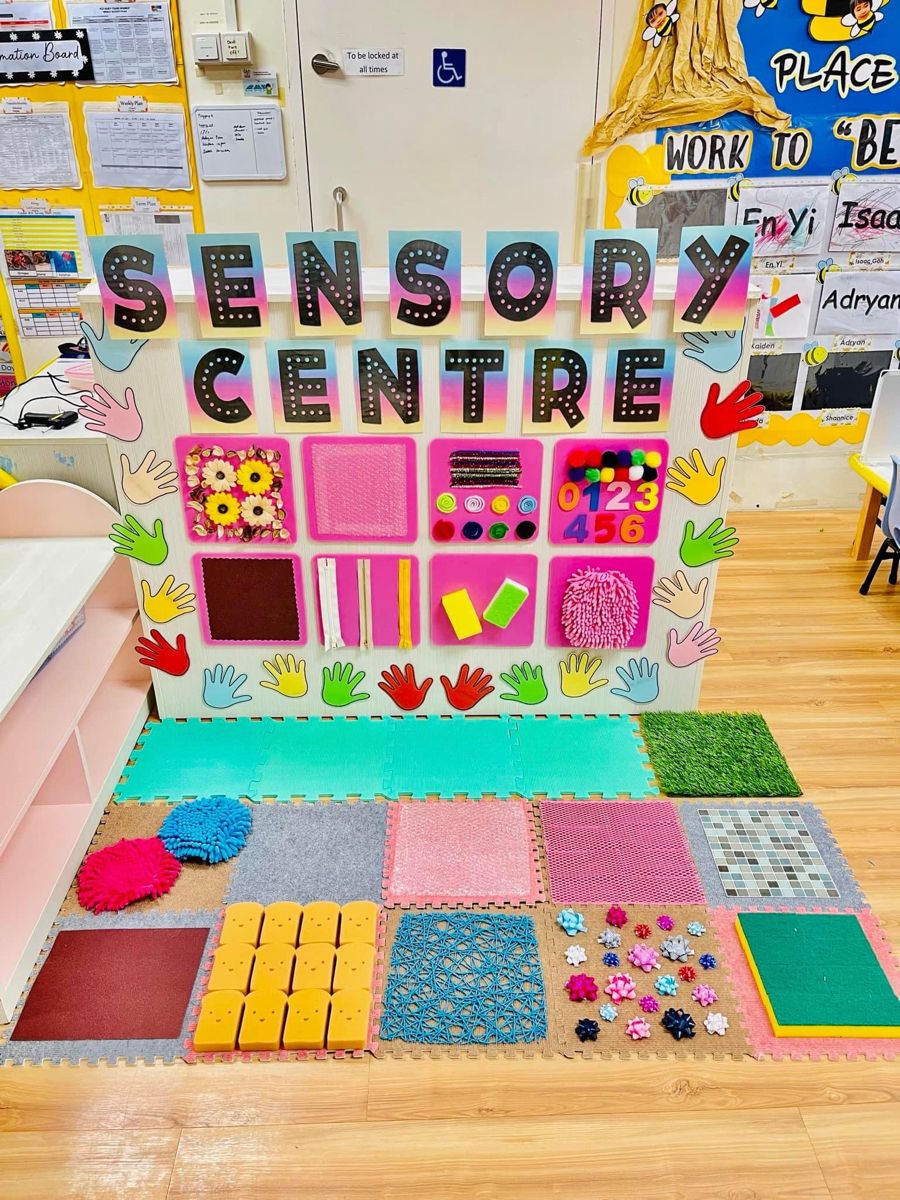
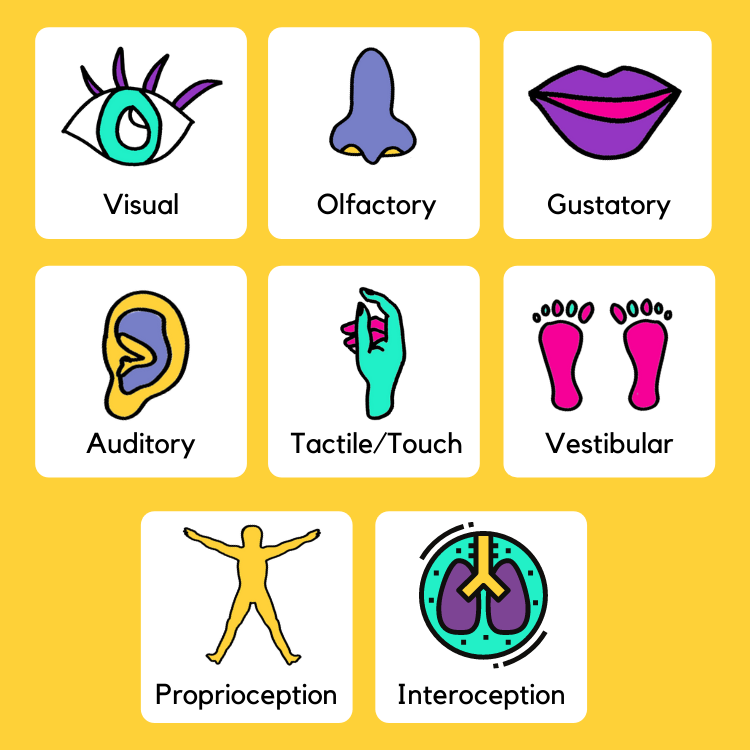
Sensory processing differences are at the heart of why shoes can be such a pivotal issue for autistic individuals. The human foot is a marvel of sensitivity, packed with over 200,000 nerve endings that relay information about pressure, temperature, texture, and movement. For someone with autism, this sensory input can be overwhelming—or, conversely, underwhelming—leading to a constant state of hypervigilance or seeking additional stimulation. Shoes, then, become a critical interface between the body and the external world.
Consider the texture of a shoe’s lining. A seam that feels like sandpaper to one person might be barely noticeable to another. The weight of the shoe—whether it’s a featherlight slip-on or a clunky boot—can dictate whether the wearer feels grounded or encumbered. Even the sound of footsteps, amplified by hard soles on tile floors, can be a source of distress. These details matter because they shape not just physical comfort, but emotional well-being. A shoe that aligns with sensory needs can reduce anxiety, improve focus, and even enhance social interactions by allowing the wearer to concentrate on the world around them rather than the discomfort at their feet.
Yet, the conversation around sensory-friendly shoes often stops at the basics: soft materials, no tags, stretchy fabrics. While these are important, they barely scratch the surface. True sensory harmony requires a deeper understanding of how shoes interact with the body’s unique sensory profile. For some, that might mean shoes with adjustable closures to control pressure; for others, it could be shoes that provide deep pressure stimulation, like those with reinforced heels or arch supports. The key is to view shoes not as static objects, but as dynamic tools that can be tailored to individual needs.
Breaking the Mold: Innovative Designs for Unique Needs
The footwear industry has long overlooked the needs of neurodivergent individuals, leaving many to adapt existing designs or forgo shoes altogether. But a quiet revolution is underway, driven by designers, parents, and autistic advocates who refuse to accept that comfort should be sacrificed for aesthetics. Today, a growing number of brands are reimagining shoes with sensory needs in mind, blending innovation with empathy to create footwear that is both functional and stylish.
One such innovation is the rise of modular shoes—footwear that can be customized in real time. Imagine a shoe with interchangeable insoles, allowing the wearer to swap between a firm arch support and a cushioned, memory-foam option depending on the day’s demands. Or consider shoes with magnetic closures instead of laces, eliminating the frustration of tangled strings or uneven pressure. For those who crave deep pressure, shoes with built-in compression panels can provide a calming hug for the feet, much like a weighted blanket for the body.
Another breakthrough is the use of adaptive materials. Traditional shoes often rely on stiff leather or synthetic fabrics that can chafe or irritate sensitive skin. Newer materials, such as bamboo-derived fabrics or temperature-regulating textiles, offer a gentler alternative. Some brands are even experimenting with 3D-printed soles, designed to match the exact contours of an individual’s foot, reducing pressure points and improving overall comfort. These advancements are not just about comfort; they’re about reclaiming agency over one’s body and environment.
Yet, innovation alone is not enough. The most successful sensory-friendly shoes are those co-created with the very people who will wear them. Parents of autistic children, autistic adults, and occupational therapists are increasingly collaborating with designers to test prototypes and provide feedback. This participatory approach ensures that the shoes address real-world challenges, from the child who refuses to wear shoes at all to the adult who needs shoes that can transition seamlessly from home to the workplace. The result is a new generation of footwear that doesn’t just accommodate sensory needs—it celebrates them.
The Psychology of Fit: More Than Just a Size
Beyond the physical attributes of a shoe lies a deeper, often overlooked dimension: the psychology of fit. For autistic individuals, the act of wearing shoes can be fraught with anxiety, not just because of sensory discomfort, but because of the unpredictability of how those shoes will perform. Will they stay on? Will they cause blisters? Will they make walking feel like a chore? These questions can loom large, turning a simple task into a source of stress.
This is where the concept of “psychological fit” comes into play. A shoe that fits psychologically is one that the wearer trusts. It’s a shoe that doesn’t require constant adjustment, that doesn’t slip or slide, that feels like a natural extension of the body. For some, this might mean shoes with wide toe boxes to prevent the toes from feeling cramped, while for others, it could be shoes with a snug heel counter to prevent the foot from sliding forward. The goal is to eliminate the mental load of worrying about the shoes, freeing up cognitive resources for other tasks.
Color and aesthetics also play a role in psychological fit. While sensory needs often take precedence, the visual appeal of a shoe can influence whether it’s worn consistently. For autistic individuals who may have strong preferences for certain colors or patterns, a shoe that aligns with their aesthetic sensibilities can make all the difference. Some brands now offer customizable options, allowing wearers to choose everything from the color of the laces to the pattern of the fabric, ensuring that the shoe is not just comfortable, but also a reflection of the wearer’s identity.
Moreover, the act of wearing shoes can be tied to social expectations and self-perception. For children, shoes might be a rite of passage, a symbol of growing up. For adults, shoes can influence how they are perceived in professional or social settings. A shoe that feels good but looks out of place can create a tension between comfort and conformity. The challenge, then, is to find shoes that strike a balance—footwear that meets sensory needs without sacrificing the wearer’s sense of self or their place in the world.
Practical Steps: How to Find the Perfect Shoe
Navigating the world of sensory-friendly shoes can feel overwhelming, especially with the sheer volume of options available. But with a strategic approach, it’s possible to find footwear that meets both sensory and practical needs. The first step is to identify the specific sensory triggers that make shoe-wearing difficult. Is it the texture of the material? The tightness of the fit? The sound of the soles? Keeping a sensory journal can help pinpoint these issues, providing a roadmap for what to look for in a shoe.
Next, consider the environment in which the shoes will be worn. Indoor shoes, outdoor shoes, and shoes for specific activities (like sports or formal events) each have their own set of requirements. For example, a shoe designed for indoor use might prioritize soft, non-marking soles to reduce noise, while outdoor shoes might need reinforced toes and water-resistant materials. It’s also worth thinking about the transition between environments—will the shoes need to be easily removable? Will they need to accommodate orthotics or other assistive devices?
When shopping, don’t hesitate to ask for samples or trial periods. Many brands now offer return policies that allow wearers to test shoes at home, where they can assess comfort in a familiar environment. Pay attention to details like seam placement, adjustable closures, and the breathability of the materials. And don’t underestimate the power of socks—seamless, moisture-wicking socks can make a world of difference in reducing sensory discomfort.
Finally, involve the wearer in the process as much as possible. For children, this might mean letting them choose the color or pattern of their shoes, giving them a sense of control. For adults, it could be about finding shoes that align with their personal style while meeting their sensory needs. The goal is to make the process collaborative, ensuring that the final choice is one that the wearer feels good about wearing.
The Ripple Effect: How the Right Shoes Can Transform Lives
The impact of finding the right shoes extends far beyond the feet. For autistic individuals, shoes can be a gateway to greater independence, confidence, and participation in the world. A child who once refused to wear shoes might now walk confidently into a classroom, free from the distraction of discomfort. An adult might find it easier to navigate a busy workplace or attend a social event, knowing that their shoes won’t be a source of stress. In this way, shoes become more than just footwear—they become tools for empowerment.
But the benefits are not just individual. When autistic individuals are comfortable in their shoes, it can change how they are perceived by others. Teachers, employers, and peers may notice the difference in body language, focus, and engagement, leading to greater understanding and acceptance. The right shoes can also reduce the need for accommodations, such as frequent breaks or alternative seating, by addressing the root cause of discomfort. In this sense, shoes can be a silent advocate, bridging the gap between the wearer and the world around them.
Moreover, the act of finding the right shoes can foster resilience and self-advocacy. It teaches the wearer—or their caregivers—that their needs are valid and that solutions exist. It encourages experimentation, creativity, and a willingness to advocate for oneself in a world that often overlooks sensory differences. In this way, the journey to find the perfect shoe becomes a metaphor for the broader journey of self-discovery and acceptance.
Yet, it’s important to acknowledge that the search for the right shoe is not always straightforward. It may involve trial and error, setbacks, and moments of frustration. But each step—whether forward or backward—is a step toward greater understanding and empowerment. The goal is not perfection, but progress. And in a world where sensory differences are often misunderstood, progress is worth celebrating.
So, the next time you see someone struggling with their shoes, pause for a moment. Consider the invisible layers of sensory input, the unspoken anxieties, and the quiet resilience it takes to navigate the world with feet that don’t always cooperate. And remember: the right shoe isn’t just a shoe. It’s a key to unlocking a world of possibility.