For many, the call of the water is irresistible—a siren song of cool relief on sweltering days, of weightless freedom in the embrace of the deep. Yet for those navigating the intricate landscape of autism, the journey to that joy is often fraught with invisible barriers. The fabric of a swimsuit, the texture of a towel, the pressure of a zipper—these are not mere details; they are potential triggers, capable of transforming a day of leisure into a minefield of discomfort. The world of swimwear, so often designed with aesthetics and functionality in mind, rarely pauses to consider the sensory needs of neurodivergent individuals. But what if it did? What if the act of slipping into the water could become not a source of anxiety, but a sanctuary of sensory harmony? This is the promise of sensory-friendly swimwear: a revolution in design that redefines comfort, dignity, and autonomy for those who have long been overlooked.
Imagine a swimsuit that feels like a second skin, one that whispers rather than clings, that moves with the body without constricting, that shields without suffocating. This is not a fantasy. It is the result of a growing movement that marries textile innovation with deep empathy, crafting garments that cater to the unique sensory profiles of autistic individuals. The shift is subtle yet profound—no longer must swimwear be a compromise between comfort and style, but instead, it can be both. The ripple effects of this change extend far beyond the poolside, touching on self-esteem, social inclusion, and the simple, unadulterated pleasure of being in one’s own skin.
The Sensory Symphony: Why Traditional Swimwear Falls Short
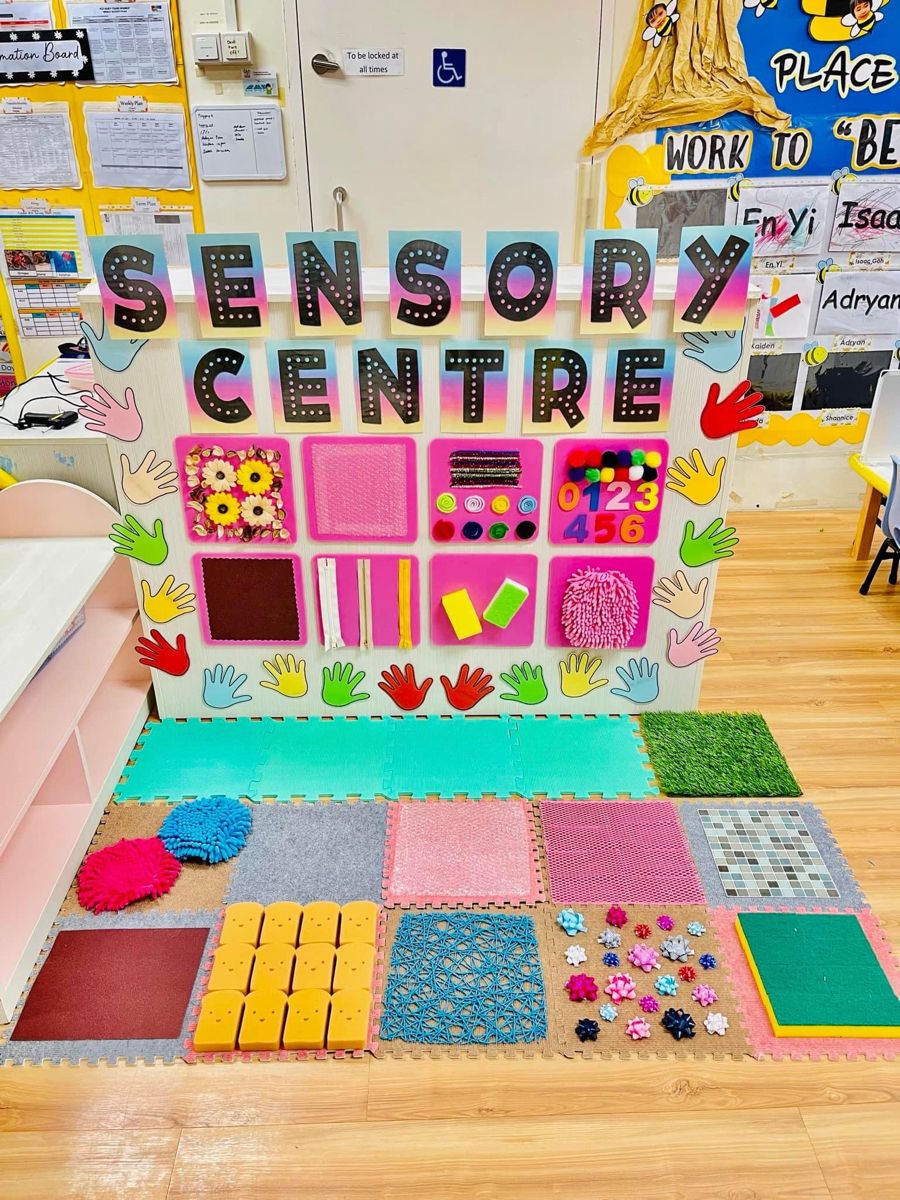
To understand the necessity of sensory-friendly swimwear, one must first grasp the cacophony of sensations that traditional options often impose. For many autistic individuals, the tactile experience of fabric is not merely a background detail but a dominant force, capable of dictating mood and behavior. Polyester blends, though durable and quick-drying, can feel abrasive against sensitive skin, their static cling a relentless reminder of discomfort. Seams, even flatlock ones, may press into the skin like tiny, persistent needles. Zippers, clasps, and tags become not functional elements but obstacles, their presence a constant, low-grade irritation. The weight of a swimsuit, once wet, can feel like an anchor, dragging the body down in a way that is both physically and psychologically taxing.
Beyond the fabric, the sensory assault extends to the visual realm. Bright, clashing colors or overly busy patterns can overwhelm the visual cortex, turning a simple swim into a sensory overload. The fit of a swimsuit, too, plays a critical role. A too-tight top may restrict movement, while a too-loose bottom might shift uncomfortably with every step, creating a disorienting feedback loop of adjustment and distraction. For those with proprioceptive challenges, the lack of clear bodily boundaries can lead to feelings of insecurity, as if the body itself is not fully known or controlled. These are not minor inconveniences; they are barriers to participation, to joy, to the simple act of existing in a shared space without distress.
Designing for Harmony: The Anatomy of Sensory-Friendly Swimwear
The creation of sensory-friendly swimwear is not a one-size-fits-all endeavor. It is a meticulous process of deconstruction and reconstruction, where every element is scrutinized for its potential to either soothe or agitate. The foundation lies in the choice of fabric. Soft, stretchy, and breathable materials such as bamboo-derived rayon or recycled nylon blends are favored for their gentle touch and moisture-wicking properties. These fabrics move with the body, reducing the sensation of restriction and minimizing the risk of chafing. Seamless construction is another cornerstone, with flatlock stitching that lies flat against the skin, eliminating the irritation of raised edges.
The design philosophy extends to the elimination of sensory triggers. Tags are eschewed in favor of tagless labels, often printed directly onto the fabric. Zippers are replaced with magnetic or Velcro closures, their smooth operation a stark contrast to the jerky pull of traditional fastenings. Adjustable straps, made from soft silicone or elastic, allow for a customized fit without the pinching of metal hardware. Even the color palette is curated with intention, favoring muted tones and subtle patterns that reduce visual noise. Some designs incorporate compression elements, not as a form of restriction but as a way to provide gentle, consistent pressure—a technique known as deep pressure input, which can have a calming effect on the nervous system.

The result is a garment that feels like an extension of the body, one that moves in harmony with every gesture. It is not merely a swimsuit but a tool for sensory regulation, a way to navigate the world with greater ease and confidence. For parents of autistic children, this can mean the difference between a day of tears and a day of laughter. For adults, it can mean reclaiming a sense of agency, of being able to participate in social rituals without the burden of discomfort.
Beyond the Pool: The Ripple Effects of Sensory-Friendly Design
The impact of sensory-friendly swimwear extends far beyond the confines of the pool or beach. It is a catalyst for broader conversations about inclusion, about the ways in which design can either exclude or empower. When a child can wear a swimsuit without distress, they are more likely to engage in social activities, to form connections with peers, and to develop a positive relationship with their body. This, in turn, can bolster self-esteem and reduce anxiety in other areas of life. For adults, the ability to participate in communal swimming or beach outings without sensory barriers can foster a sense of belonging, a reminder that they, too, are entitled to the simple pleasures of life.
Moreover, the principles of sensory-friendly design are not limited to swimwear. They can be applied to a wide range of clothing, from everyday wear to athletic gear. The ripple effect is one of normalization, of shifting the cultural narrative to one that values comfort and accessibility as much as it does style. It challenges the notion that discomfort is a necessary rite of passage, that one must endure to participate. Instead, it offers a vision of a world where everyone can thrive, where the act of getting dressed is not a source of stress but a source of strength.
Choosing the Right Swimwear: A Guide for Caregivers and Individuals
Selecting the right sensory-friendly swimsuit requires a thoughtful approach. The first step is to identify the specific sensory needs of the individual. Does the person have tactile sensitivities? Are they bothered by certain textures or seams? Do they struggle with the fit of traditional swimwear? These questions can guide the choice of fabric, construction, and design. For those with severe sensitivities, it may be helpful to start with a one-piece suit, which offers more coverage and fewer points of potential irritation than a two-piece. Alternatively, a rash guard with built-in swim trunks can provide a compromise between coverage and comfort.
When shopping, look for brands that prioritize sensory-friendly features. Some companies offer customizable options, allowing for adjustments in fit, fabric, and color. Others provide detailed guides on their websites, helping caregivers and individuals navigate the selection process. It is also worth considering the practical aspects of the swimsuit. Does it dry quickly? Is it chlorine-resistant? Can it be machine-washed without losing its shape? These factors may seem minor, but they can significantly impact the overall experience.
For those who are new to sensory-friendly swimwear, it may take time to adjust. The first few wears might feel unfamiliar, even strange. It is important to approach the process with patience, allowing the individual to acclimate at their own pace. Start with short outings, gradually increasing the duration as comfort levels rise. Pair the swimsuit with other sensory tools, such as noise-canceling headphones or a favorite towel, to create a supportive environment. Over time, the swimsuit can become a symbol of empowerment, a reminder that the world can be adapted to meet individual needs.
The Future of Swimwear: A Vision of Inclusive Design
The movement toward sensory-friendly swimwear is still in its infancy, but its potential is vast. As awareness grows, so too does the demand for innovative solutions. Designers are experimenting with new materials, such as temperature-regulating fabrics that adapt to the body’s needs. Others are exploring the use of 3D printing to create custom-fit swimsuits, tailored to the unique contours of an individual’s body. The integration of technology, such as smart fabrics that monitor heart rate or provide gentle vibrations, could further enhance the sensory experience, turning swimwear into a tool for self-regulation.
Yet, the most exciting developments may lie not in technology, but in a shift in mindset. The future of swimwear is one where inclusivity is not an afterthought but a starting point. Where designers ask not just, “How can we make this swimsuit look good?” but “How can we make this swimsuit feel good?” Where the act of swimming is not a privilege reserved for the few, but a joy available to all. This is a future worth striving for—a world where the water is not a place of exclusion, but a place of belonging.
As the sun dips below the horizon and the day’s heat begins to fade, there is no greater relief than the cool kiss of water against sun-warmed skin. For those who have long been denied this simple pleasure, sensory-friendly swimwear offers a path forward. It is more than fabric and thread; it is a promise of comfort, of dignity, of the unshakable right to exist in the world without apology. The water is waiting. It is time to dive in.