The first time Liam boarded a bus alone, his heart hammered against his ribs like a metronome set to a frenetic tempo. The fluorescent lights buzzed overhead, a discordant symphony of urban life that seemed to amplify every sound—the hiss of the doors, the murmur of passengers, the rhythmic squeak of the driver’s shoes against the floor. For most commuters, public transportation is a mundane necessity, a means to an end. But for individuals on the autism spectrum, it can feel like navigating a labyrinth where every turn presents a new sensory or social challenge. Yet, what if we reimagined public transit not as a source of anxiety, but as a gateway to independence, connection, and even empowerment?
Public transportation is more than just steel tracks and rubber wheels; it’s a lifeline that stitches communities together. For autistic individuals, mastering the art of buses and trains can unlock doors to education, employment, and social experiences that might otherwise remain out of reach. The journey, however, is fraught with hurdles—overwhelming sensory inputs, unpredictable social interactions, and the sheer unpredictability of schedules. But with the right tools, strategies, and a shift in perspective, these challenges can transform into opportunities for growth and resilience. Let’s explore how autistic individuals can not only endure public transit but thrive within it.
The Sensory Symphony: Decoding the Overwhelm
Imagine stepping into a world where every sensation is amplified—a cacophony of beeps, announcements, and the acrid tang of disinfectant. For many autistic individuals, public transportation is a sensory minefield. The hum of the engine, the jostle of crowds, the flicker of fluorescent lights—all these elements can coalesce into a disorienting storm. Sensory processing differences mean that what feels like background noise to neurotypical individuals can become a cacophony that drowns out thoughts and emotions.
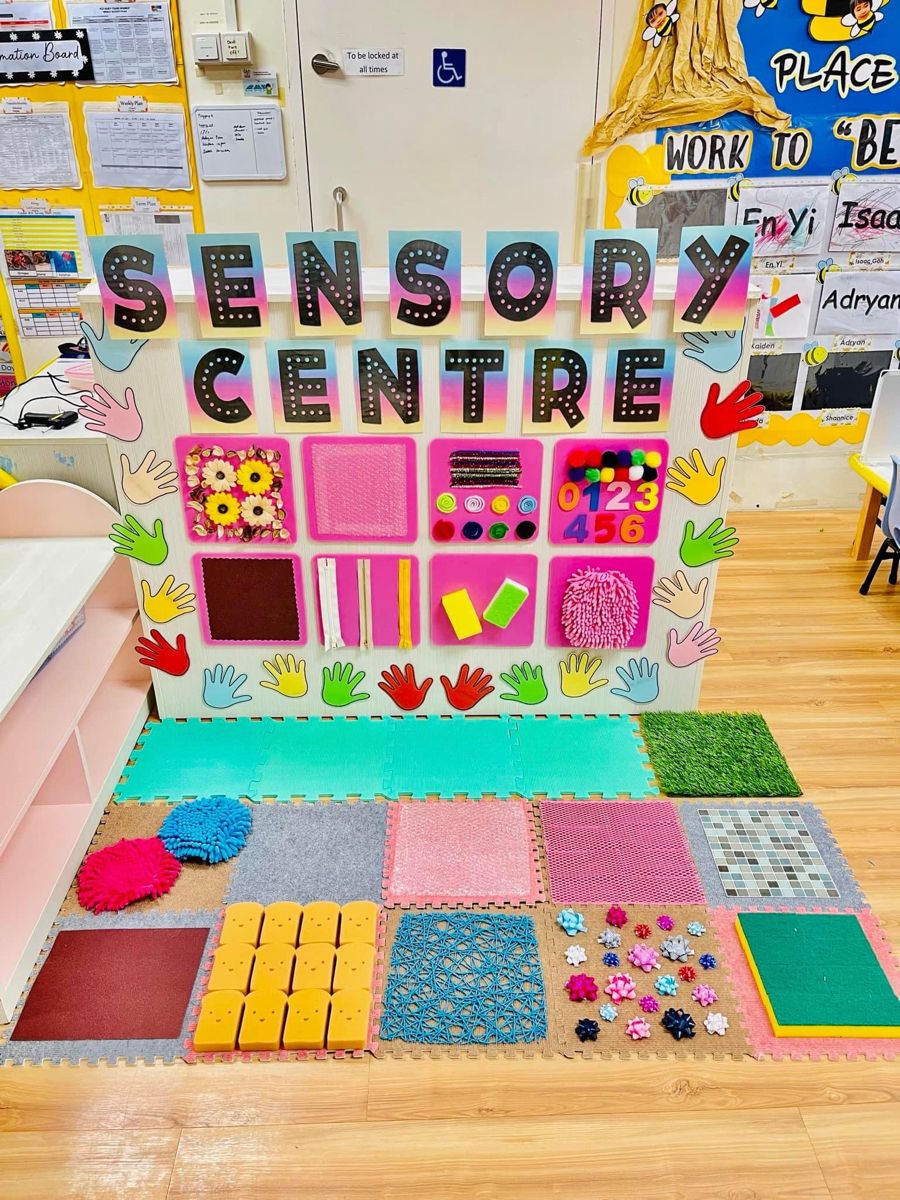
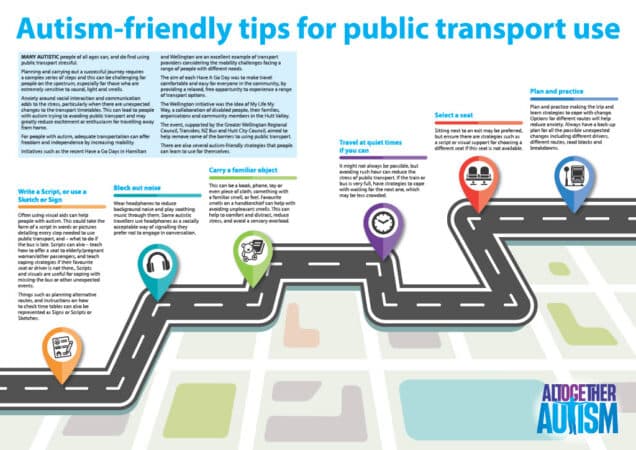
Yet, this sensory overload isn’t insurmountable. Simple adaptations can make a world of difference. Noise-canceling headphones can muffle the auditory chaos, while sunglasses or a brimmed hat can soften the glare of overhead lights. Weighted lap pads or compression clothing can provide grounding pressure, offering a sense of stability in an otherwise unstable environment. Even the choice of seating—near a window for a view of the sky or in a less crowded corner—can act as a buffer against sensory assault. The key lies in recognizing these triggers and curating a personalized toolkit to navigate them.
The Social Maze: Deciphering Unwritten Rules
Public transit is a social ecosystem governed by unspoken norms—stand on the right side of escalators, don’t block the doors, offer your seat to those in need. For autistic individuals, these rules can feel like a cryptic language, leaving them vulnerable to misunderstandings or social faux pas. The pressure to conform can be paralyzing, turning a simple bus ride into a high-stakes performance where every misstep feels like a public failure.
But what if we reframed these interactions? Instead of viewing them as obligations, consider them as opportunities to practice social scripts—prepared phrases like, “Excuse me, could you tell me when we reach Main Street?” or “I’m sorry, I didn’t mean to bump into you.” Role-playing these scenarios at home can build confidence, while visual schedules can provide a roadmap for the journey ahead. Autistic individuals aren’t failing at social norms; they’re navigating a system that wasn’t designed with their neurology in mind. The goal isn’t to erase differences but to equip them with the tools to move through the world on their own terms.
The Temporal Tightrope: Mastering Time and Routine
Public transportation operates on the tyranny of the clock—a relentless march of schedules and delays that can turn a routine trip into a logistical nightmare. For autistic individuals, who often thrive on predictability, the uncertainty of transit can be a source of profound stress. A delayed train isn’t just an inconvenience; it’s a disruption to the carefully constructed scaffolding of their day.
Yet, this rigidity can also be harnessed as a strength. By creating detailed itineraries—complete with buffer times, alternative routes, and contingency plans—autistic individuals can regain a sense of control. Apps that provide real-time updates can be lifesavers, offering a digital lifeline when the physical world feels chaotic. Even something as simple as arriving early to scope out the station can demystify the environment, turning the unknown into the familiar. The goal isn’t to eliminate unpredictability but to build resilience against it.
Inclusive Innovations: The Future of Transit for All
The narrative around autism and public transportation is slowly shifting, thanks to a wave of innovations designed to make transit more accessible. Some transit agencies now offer sensory-friendly hours, where lights are dimmed, announcements are minimized, and crowds are thinned. Others provide training for staff to recognize and accommodate the needs of neurodivergent passengers. Even the design of stations and vehicles is evolving, with quieter trains, clearer signage, and more intuitive layouts.
 These changes aren’t just about compliance; they’re about reimagining transit as a space that works for everyone. Imagine a bus stop where the bench is designed to reduce sensory discomfort, or a train car where the seating arrangement accommodates different sensory needs. The future of public transportation lies in flexibility—not just in schedules, but in design.
Empowerment on the Move: The Ripple Effect of Independence
The ability to navigate public transit independently is more than a practical skill; it’s a gateway to autonomy. For autistic individuals, mastering the bus or train can open doors to jobs, friendships, and experiences that were once out of reach. It’s a quiet revolution, one that challenges the assumption that neurodivergent individuals are incapable of handling the complexities of the modern world.
Consider the story of a young woman who, after months of practice, finally took the train to her first job interview. The journey was nerve-wracking, but she arrived on time, composed, and ready to seize the opportunity. Or the teenager who, after years of relying on his parents for rides, finally took the bus to school alone—only to return home beaming with pride. These aren’t just stories of transportation; they’re stories of empowerment, of breaking free from the constraints of a world that often underestimates what autistic individuals can achieve.
The path to mastering public transit isn’t linear, nor is it without its challenges. But with patience, preparation, and a willingness to rethink the status quo, it’s a journey that can transform lives. Public transportation doesn’t have to be a source of anxiety; it can be a canvas for independence, a testament to resilience, and a reminder that the world is far more navigable than we once believed.