Have you ever watched a child pedal furiously down a sidewalk, wind whipping through their hair, only to realize they’ve veered straight into a patch of muddy puddles—or worse, a busy intersection? For parents of children with autism, that moment of panic isn’t just a fleeting worry; it’s a recurring question mark hovering over every bike ride. How do you balance the joy of independence with the very real risks that come with two wheels and a sense of adventure? Teaching a child with autism to bike safely isn’t just about helmets and knee pads—it’s about crafting a journey that nurtures confidence, spatial awareness, and resilience without stifling the thrill of the ride.
Biking can be a transformative experience for children on the autism spectrum. It offers a rare blend of physical exercise, sensory stimulation, and social engagement—all while fostering a sense of freedom that’s hard to replicate indoors. Yet, the path to safe, independent cycling is often paved with unique challenges. Sensory sensitivities may make the feel of a helmet or the sound of a bell overwhelming. Motor planning difficulties can turn a simple turn into a wobbly ordeal. And let’s not forget the social nuances—like knowing when to stop at a crosswalk or how to signal a turn—that many neurotypical children pick up intuitively but require explicit instruction for others. The key lies in a tailored approach that respects each child’s pace while gradually building the skills they need to navigate the world on two wheels.
The Foundation: Choosing the Right Bike and Gear
Before a child can master the art of biking, they need equipment that feels like an extension of themselves—not a cumbersome obstacle. The first step is selecting a bike that matches their physical abilities and comfort level. For beginners, a balance bike (without pedals) can be a game-changer, allowing them to focus on steering and balance before introducing the complexity of pedaling. For those ready to pedal, consider a bike with a low step-through frame, which reduces the intimidation factor of mounting and dismounting.
Gear is equally critical. A helmet isn’t just a safety accessory; it’s a non-negotiable piece of the puzzle. Opt for one with adjustable straps and ample ventilation to accommodate sensory preferences. Reflective strips or LED lights can add visibility without overwhelming a child who’s sensitive to bright or flashing stimuli. Gloves with padded palms can reduce discomfort from vibrations, while knee and elbow pads provide a tactile reminder of boundaries—literally cushioning the learning process.
But gear alone won’t suffice. The real magic happens when the equipment feels like a natural part of the experience. Before the first ride, let the child sit on the bike, touch the handlebars, and even spin the wheels while stationary. This tactile familiarization can ease the transition from indoor practice to outdoor exploration.
Breaking Down the Skills: A Step-by-Step Approach
Teaching a child with autism to bike safely is akin to assembling a complex puzzle—each piece must be mastered individually before the full picture emerges. Start with the basics in a controlled environment, like a quiet parking lot or a spacious driveway. Begin by teaching the child to walk with the bike, pushing it forward while maintaining balance. This builds muscle memory and confidence without the pressure of pedaling.
Next, introduce the concept of starting and stopping. Use verbal cues paired with visual aids, such as a stop sign or a bright marker on the ground. For children who thrive on routine, a consistent phrase like “Feet up, coast” can signal the transition from walking to gliding. Praise effort over success—celebrate the act of trying, even if the result is a wobble or a fall.
As balance improves, introduce pedaling. Break it down into micro-steps: place one foot on a pedal, push off, and practice lifting the other foot to the second pedal. Use a gentle incline to help gravity do some of the work, reducing the physical demand. For children who struggle with motor planning, consider breaking the movement into smaller, exaggerated steps—like exaggerating the motion of lifting the leg before placing the foot on the pedal.
Navigating the Sensory Landscape
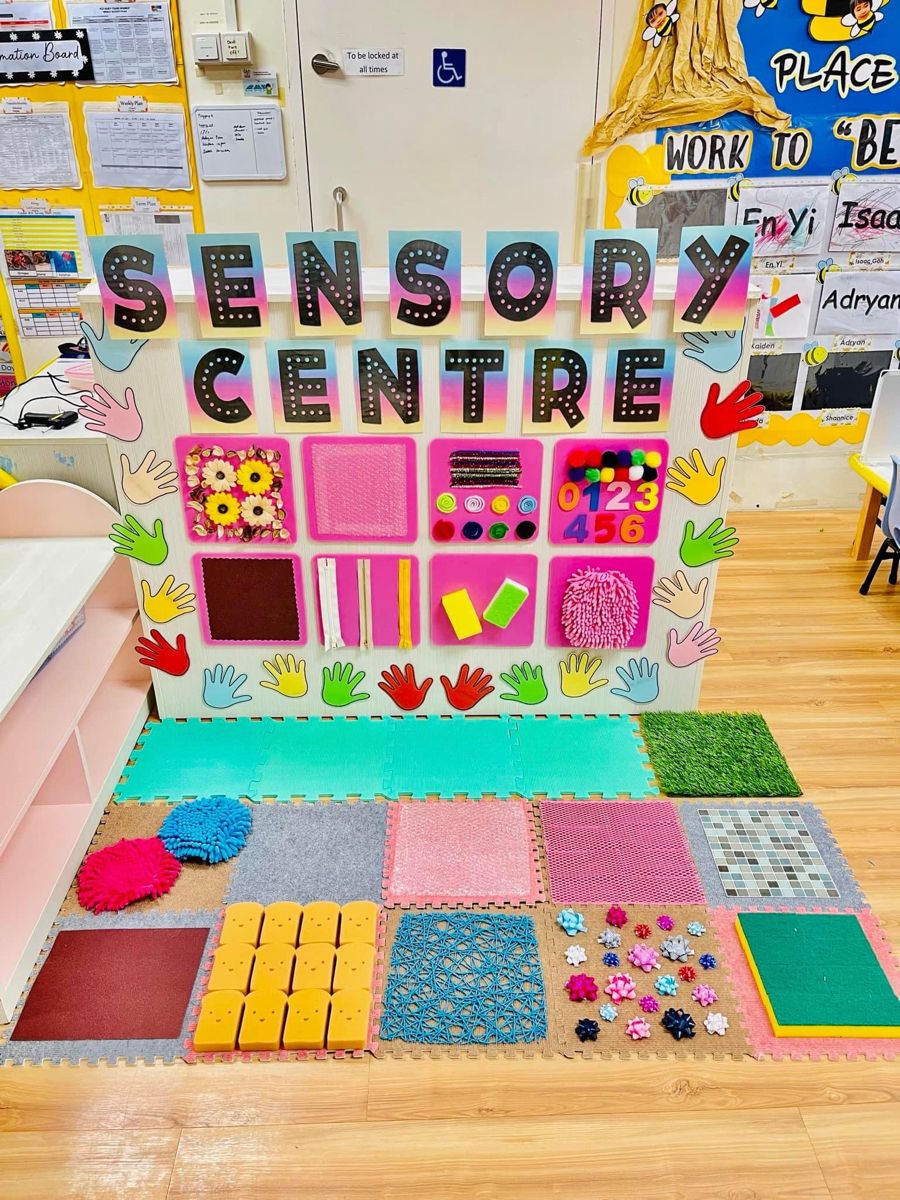
For many children with autism, the sensory experience of biking can be as daunting as the physical challenge. The wind in their face, the rumble of tires on pavement, the smell of freshly cut grass—these sensations can be overwhelming or underwhelming, depending on the child’s sensory profile. Start by gradually introducing these stimuli in small doses. Begin with short rides in familiar environments, like a backyard or a quiet cul-de-sac, where the sensory input is predictable and manageable.
If a child is hypersensitive to sound, consider using noise-canceling headphones or a white noise app during rides to muffle the roar of traffic or the screech of brakes. For those who seek sensory input, a weighted vest worn during practice can provide deep pressure, grounding them as they navigate the bike. Visual distractions, like bright colors or moving objects, can be mitigated by choosing routes with minimal stimuli—think tree-lined paths over bustling boardwalks.
It’s also worth experimenting with the timing of rides. Some children may prefer early morning rides when the world is quieter, while others might thrive in the sensory-rich environment of a park during off-peak hours. The goal is to create a sensory diet that complements the biking experience, not complicates it.
Mastering the Rules of the Road
Independence on a bike isn’t just about staying upright—it’s about understanding the unspoken rules of the road. For children with autism, social cues and abstract concepts like “right of way” can feel like a foreign language. Break down these rules into concrete, actionable steps. Use visual aids, such as a diagram of a street with labeled parts (curb, crosswalk, sidewalk), to teach the difference between where bikes and cars belong.
Practice signaling turns and stops in a safe, controlled setting. Use hand signals consistently, pairing them with verbal cues like “Arm out, left turn.” For children who struggle with generalization, create a “bike safety checklist” they can reference before each ride. This might include items like checking the helmet, scanning for obstacles, and practicing a “stop line” where they come to a complete halt.
Intersections are particularly tricky. Teach the concept of “stop, look, listen” in stages. First, practice stopping at a designated line. Then, introduce the idea of looking both ways, using a toy car or a doll to simulate traffic. Finally, add the auditory component—listening for the sound of an approaching car—before progressing to real-world practice. Role-playing with a caregiver can reinforce these skills in a low-pressure environment.
Building Confidence Through Routine and Reinforcement
Consistency is the cornerstone of skill-building for children with autism. Establish a predictable routine for biking practice, whether it’s a daily 10-minute session in the driveway or a weekly trip to a local trail. Use visual schedules or timers to signal the start and end of practice, reducing anxiety about transitions.
Reinforcement is equally vital. Identify what motivates your child—whether it’s verbal praise, a favorite song, or a small treat—and use it liberally. Immediate feedback is key; celebrate small victories, like maintaining balance for five seconds or successfully signaling a turn. For children who respond well to tangible rewards, a sticker chart can track progress and provide a visual reminder of their achievements.
It’s also important to normalize setbacks. Falls and mistakes are part of the learning process, not signs of failure. Frame them as opportunities to try again, using phrases like “Oops! Let’s reset and try that turn again.” This growth mindset fosters resilience and reduces the fear of failure.
Expanding Horizons: From Driveway to Community
Once a child is comfortable biking in familiar environments, it’s time to gradually expand their world. Start with low-traffic areas, like residential streets or empty parking lots, before venturing into busier spaces. Use social stories to prepare them for new experiences, such as encountering pedestrians, crossing busy intersections, or navigating a bike lane. These stories can be customized to address specific challenges, like what to do if a dog barks nearby or how to react if a stranger waves.
Group rides can also be a powerful tool for building social skills and confidence. Look for autism-friendly biking groups or adaptive sports programs that offer structured, supportive environments. Riding alongside peers can reduce isolation and provide a sense of camaraderie, while also offering opportunities to practice turn-taking, following directions, and sharing space with others.

Long-Term Strategies: Fostering Lifelong Independence
Teaching a child with autism to bike safely is not a one-time lesson—it’s an ongoing journey that evolves as they grow. As their skills improve, so too should the complexity of their rides. Introduce challenges like navigating roundabouts, riding in different weather conditions, or biking to a specific destination, like a park or a friend’s house. These experiences build problem-solving skills and adaptability, essential tools for lifelong independence.
It’s also important to involve the child in decision-making. Ask for their input on routes, gear, or even the timing of rides. This autonomy fosters ownership and motivation, making them more invested in the process. For older children, consider teaching basic bike maintenance, like checking tire pressure or adjusting the seat height. These skills not only extend the life of their bike but also instill a sense of responsibility and self-sufficiency.
Finally, celebrate the milestones—not just the big ones, like riding without training wheels, but the small, everyday victories. A child who once refused to touch a bike might now eagerly ask for a ride after school. Another who struggled with balance might now confidently weave through cones in the driveway. These moments are the building blocks of independence, and they deserve to be cherished.
Biking is more than a hobby; it’s a gateway to freedom, confidence, and connection. For children with autism, the road to safe, independent cycling may be winding, but with patience, creativity, and a willingness to meet them where they are, it’s a journey worth taking. So, grab a helmet, pump up the tires, and take that first step—because every wobble, every fall, and every triumph is part of the ride.